LUSTER MIKROMAKERI
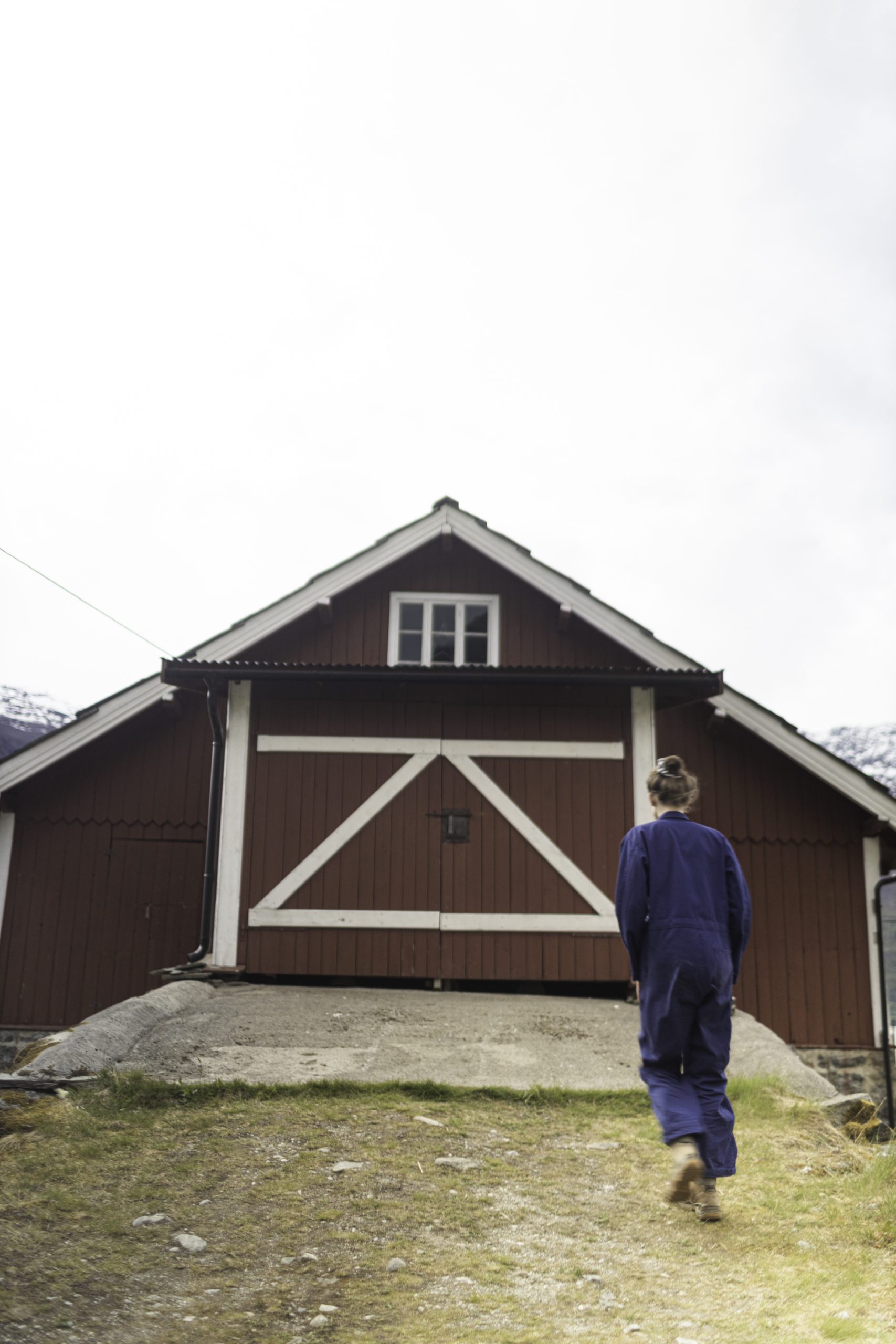
May 2026 Liselore Frowijn immersed herself in Norway’s extraordinary nature around the Lustrafjord at the invitation of Luster Mikromakeri in the village of Luster, with support from the EU cultural funding program throughout “Kreativt Sogn” by Kunstbygda Balestrand, Norway.
In Luster, Liselore Frowijn explored the Norwegian notion of Bergtatt: a state of being enchanted or taken by nature. The project began with the Dutch childhood song “Onder Gedonder,” a song that imagines Nordic landscapes as mysterious and alluring, thereby romanticising and objectifying them from afar, whereas in Norwegian tradition, this song is non-existent. However, this sense of distance from nature is echoed in Scandinavian myths, such as the Huldra, a forest spirit who lures humans into the mountains with her song.[1] Legend says that if she marries in a church, her cow tail disappears and she becomes human, revealing a human impulse to tame what is more-than-human, or “wild”. Working in Luster, Frowijn attunes to traces of the Huldra in the forest, not to domesticate her but to learn from her. Working with textile techniques, she developed sculptural works made from locally sourced materials. These forms embody the Huldra’s shapeshifting, trickster presence in nature and explore a practice of embracing transience rather than forcing fixation.
During the residency, ecological research on site became directly interwoven with textile crafts. Although textiles are historically linked to pollution and the extractive industries, Frowijn seeks to reclaim their techniques as tools for care and regeneration, in line with ecofeminist thinkers. By gathering ephemeral materials and traces of mythological, human, and more-than-human presences, she created three-dimensional sculptural forms that embody myths capable of fostering change. Engaging with the direct surroundings of the fjord water, forests and mountains, she attempted to identify visible and invisible transformations in the landscape. How can we hold on to, and simultaneously let go of, what we understand as nature? How could textile techniques function as a gesture of care and attention toward this understanding?
These questions led to an open-minded making process in which direct dialogue with the surroundings of the workspace unfolded, leading to a gathering of all sorts of materials: cut branches from the cider-apple trees on the neighbouring campsite, seaweed from the fjord beach, food waste from the local supermarket, cut slate stones from the mountains, wild nettles at the doorstep, flax rope historically used in the Norwegian boat traditions, leftover textiles of former residents, and more-than-human materials such as unwashed sheep wool. This, together with the dynamic surrounding environment of Luster, with its deep greens, the Jostedalsbreen glacier, the Feigefossen waterfall, the ancient Urnes Stave Church, and the Jotunheimen mountain peaks, offered a powerful ecological and cultural context in which to explore transience and transformation. Being closely connected to this tactile environment led Frowijn to notice the mythology and folklore of the region, ranging from ancient symbolism to stories of nature spirits, creating a unique framework for the research and body of work developed.
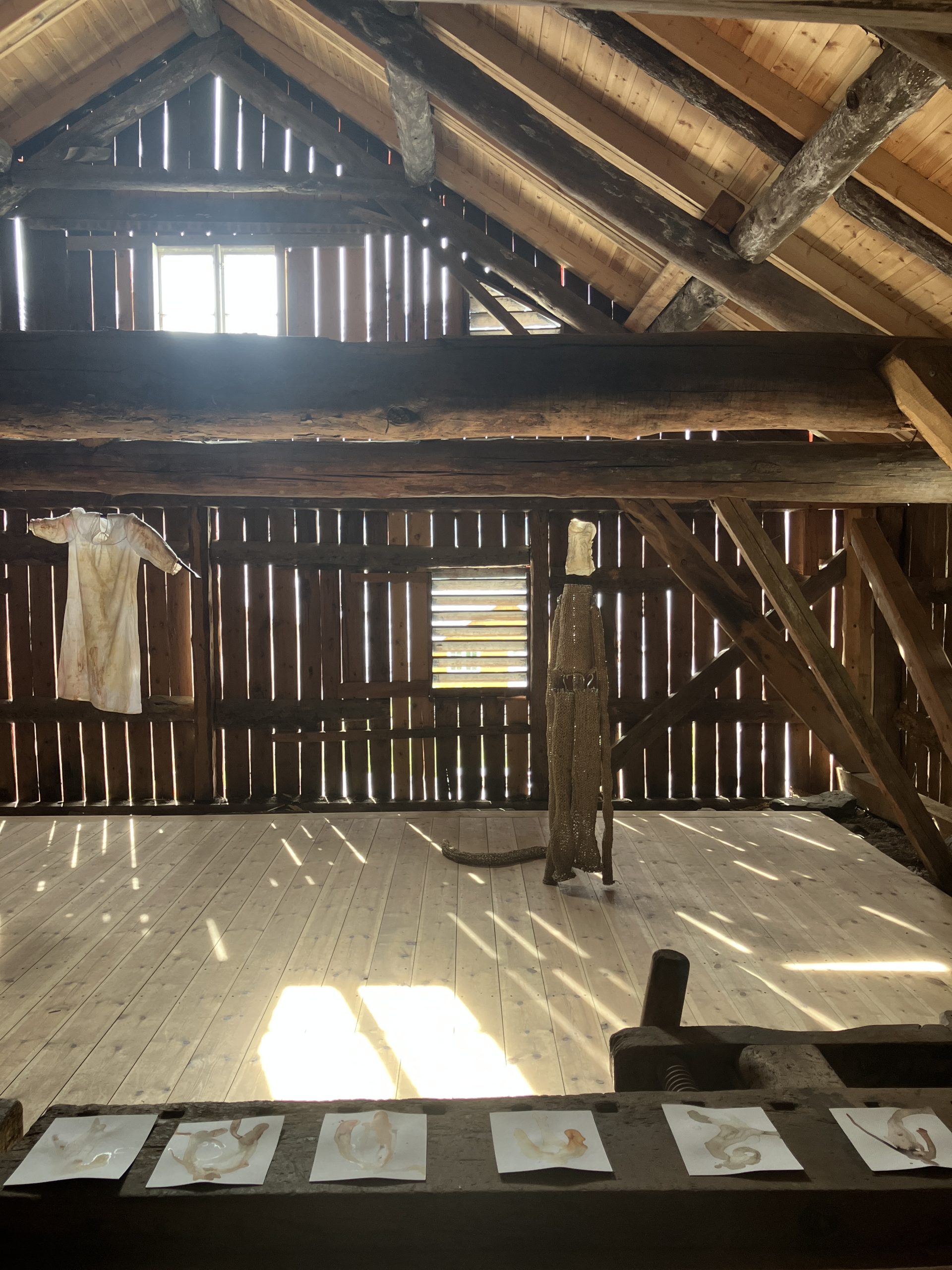
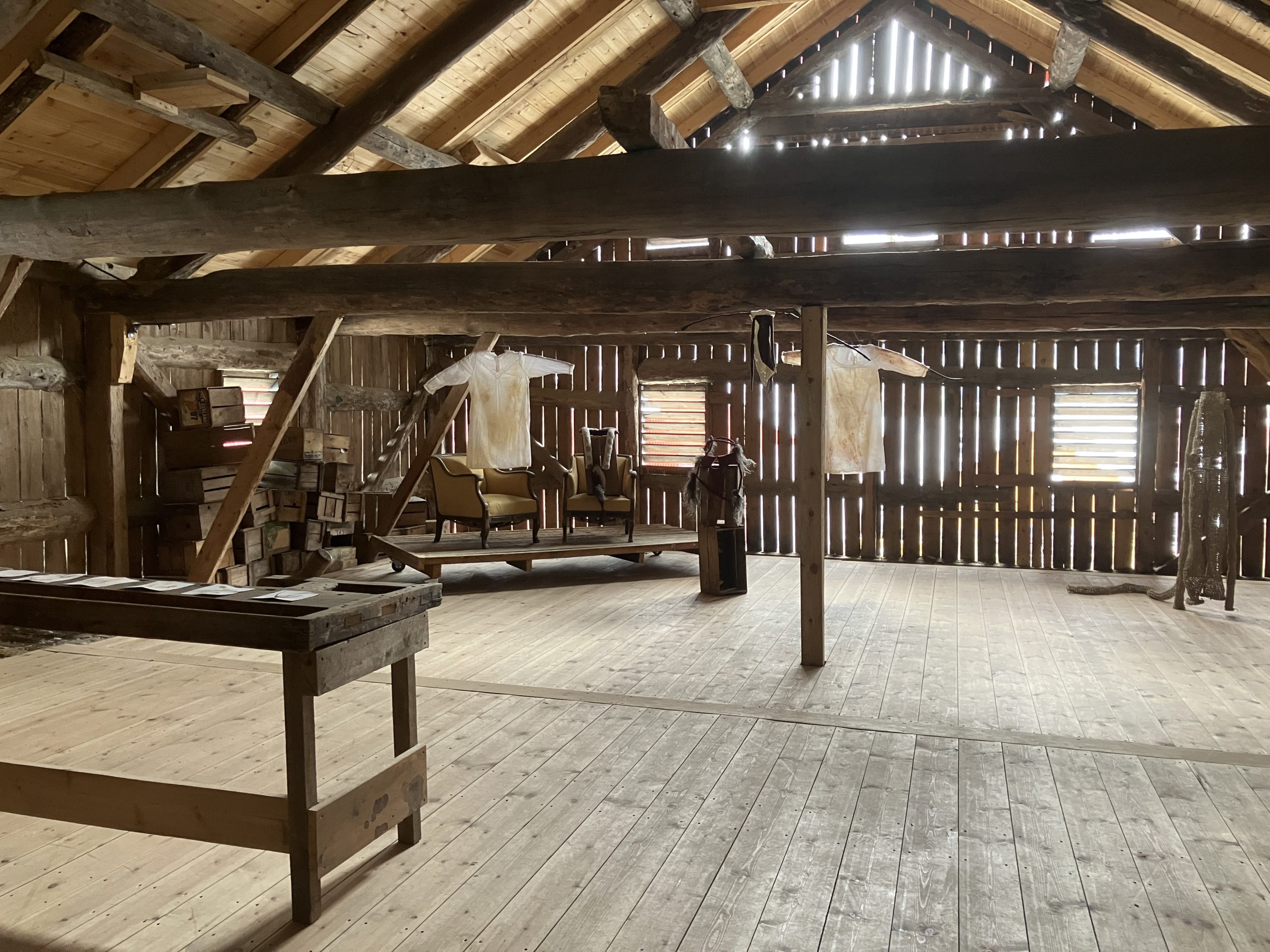
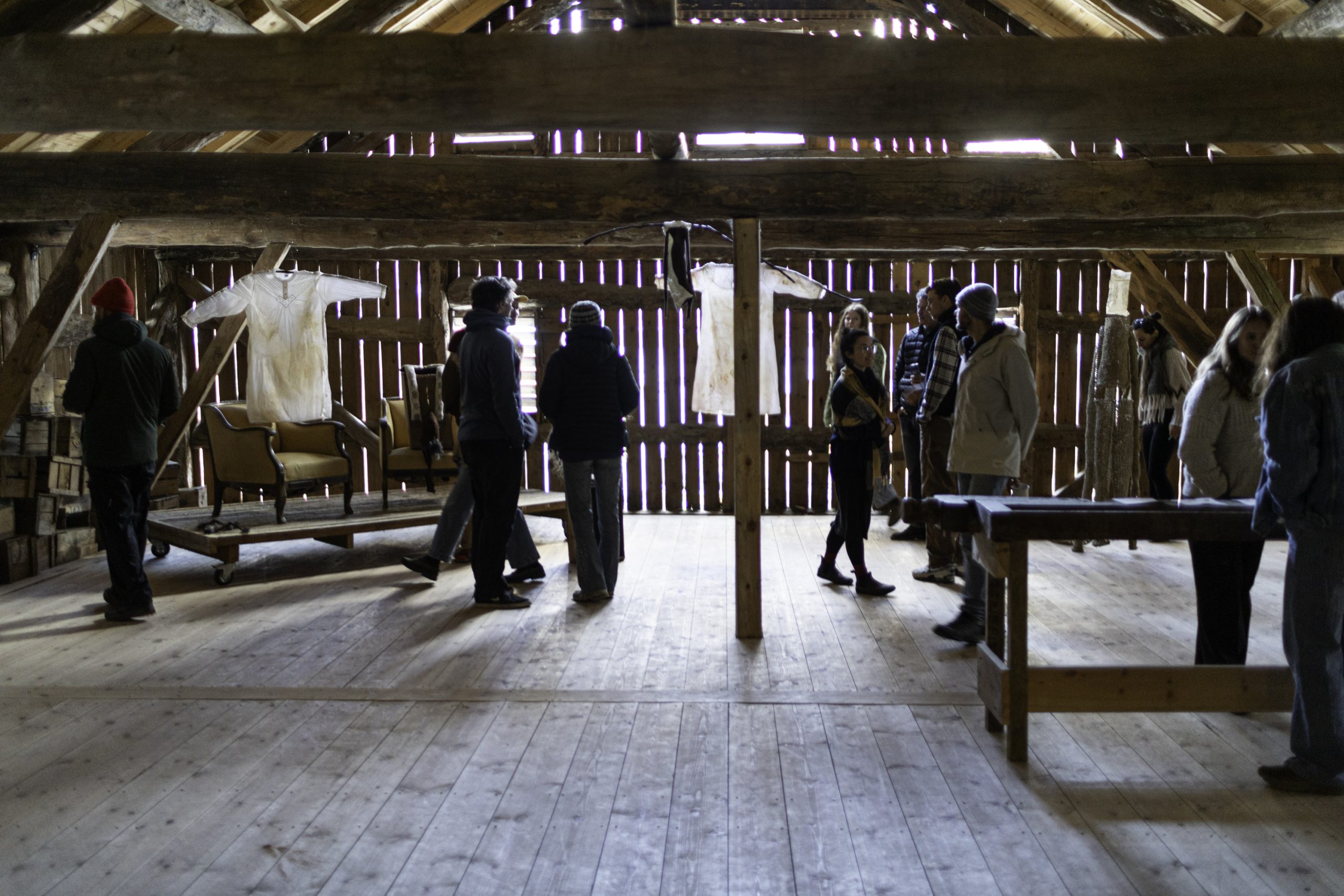
At the end of her stay, an exhibition of artworks was held in the attic of Luster Mikromakeri and was open to visitors during the workshops’ second anniversary. Through dialogue and shared observation, a reciprocal relationship was fostered in which the community contributed knowledge and intergenerational stories, while the exhibited works offered artistic tools to reflect on transience, ecology, and connection. The work created space for conversation about regional ecological changes, personal memories of the environment, and shared concerns about climate transformation.
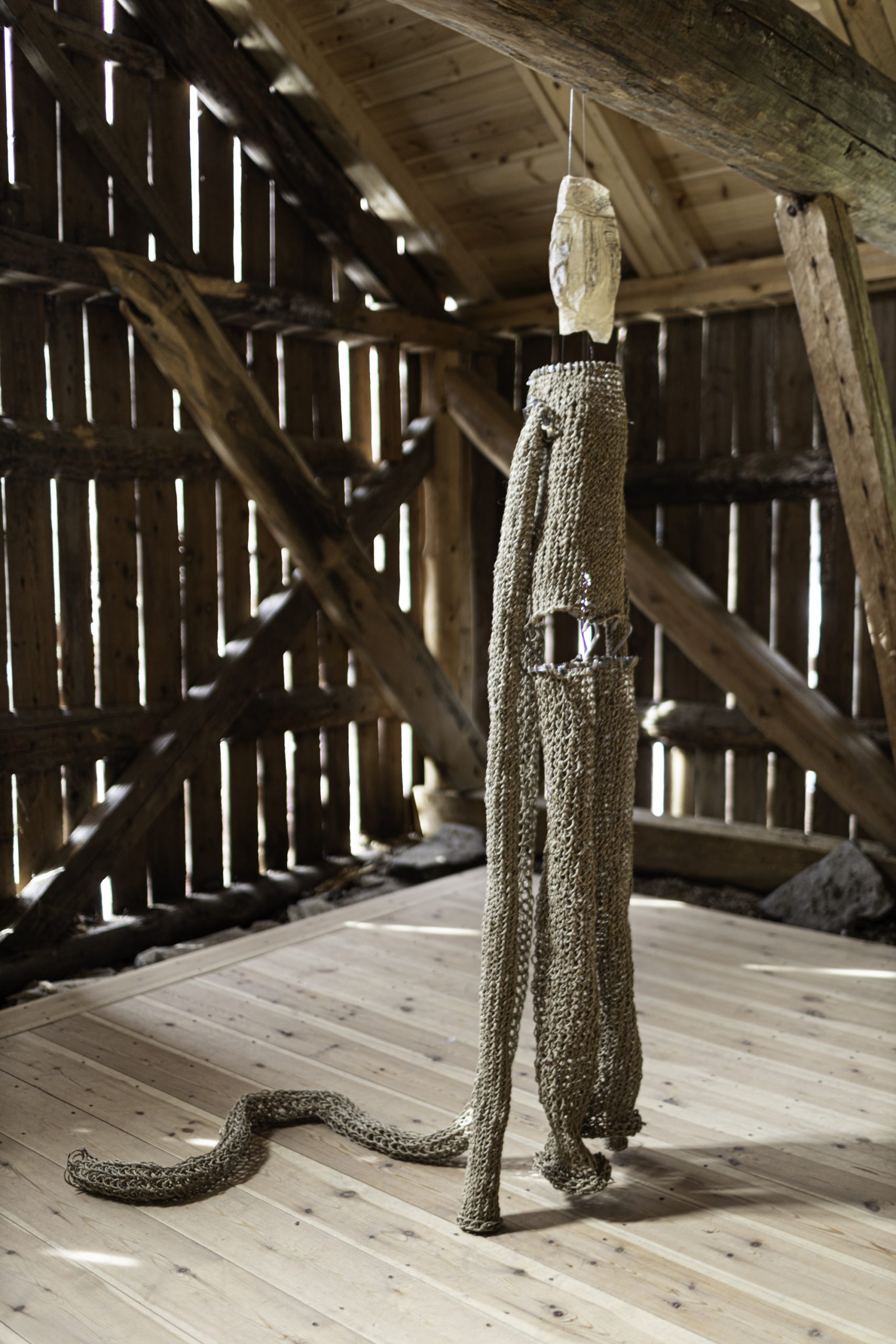
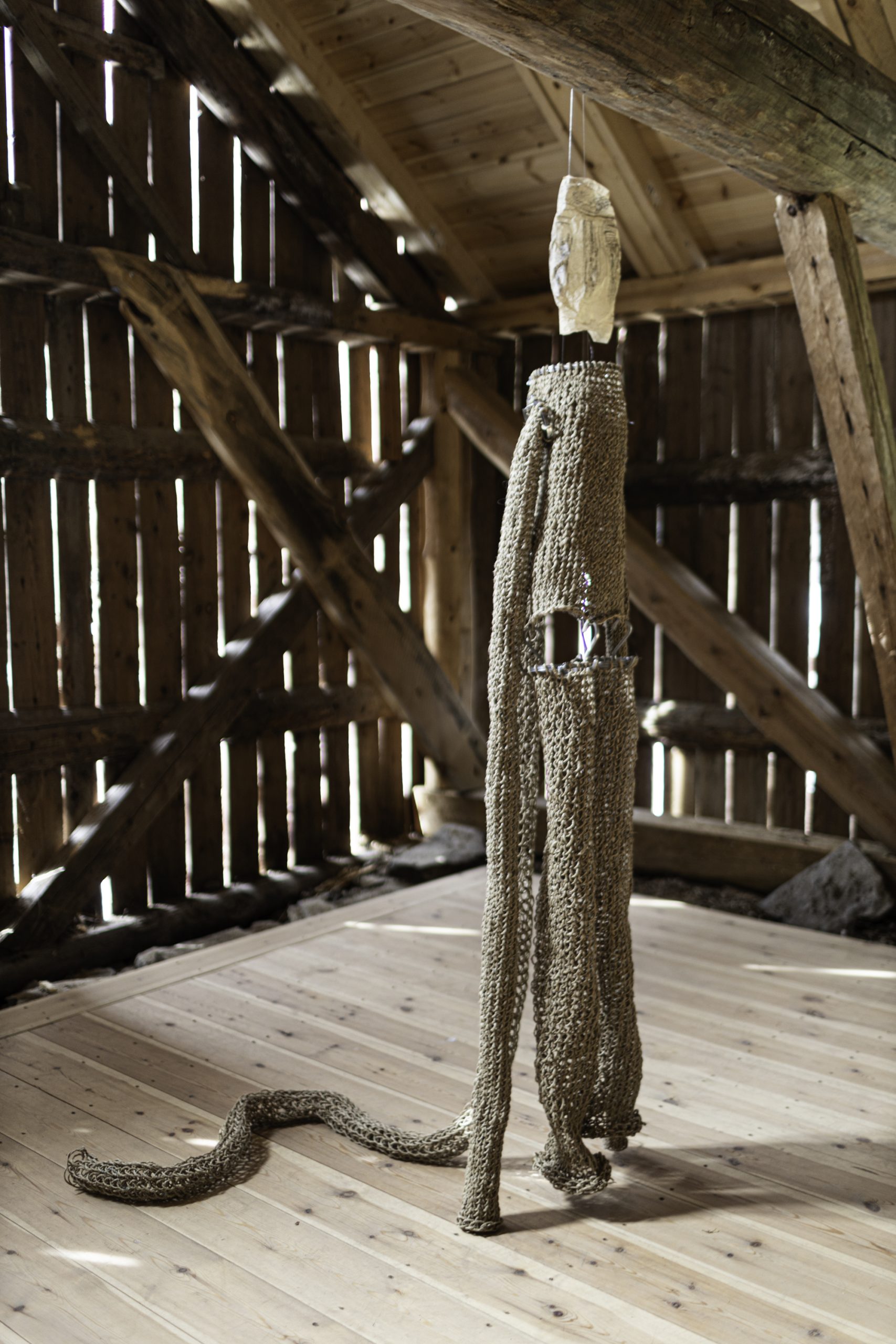
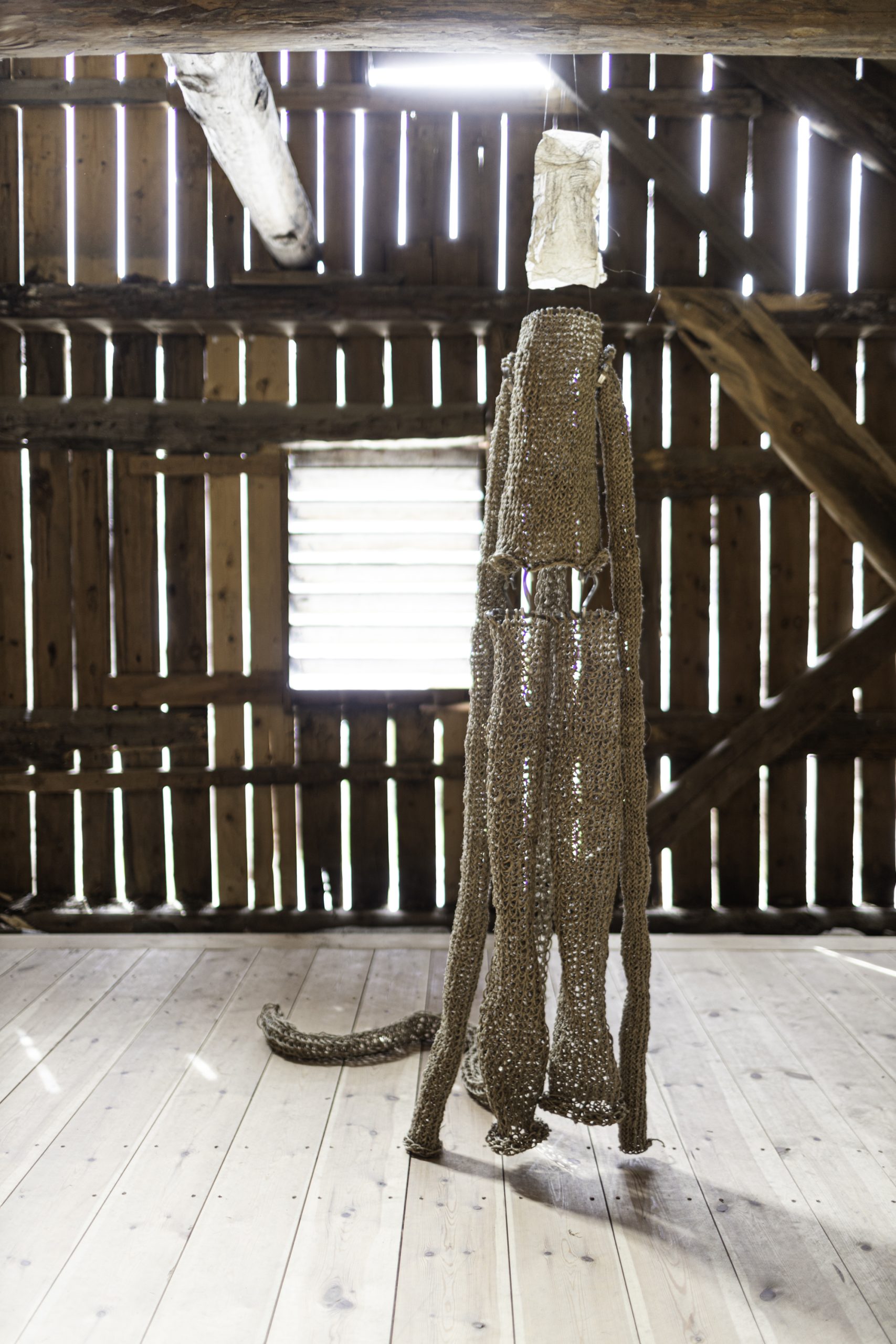
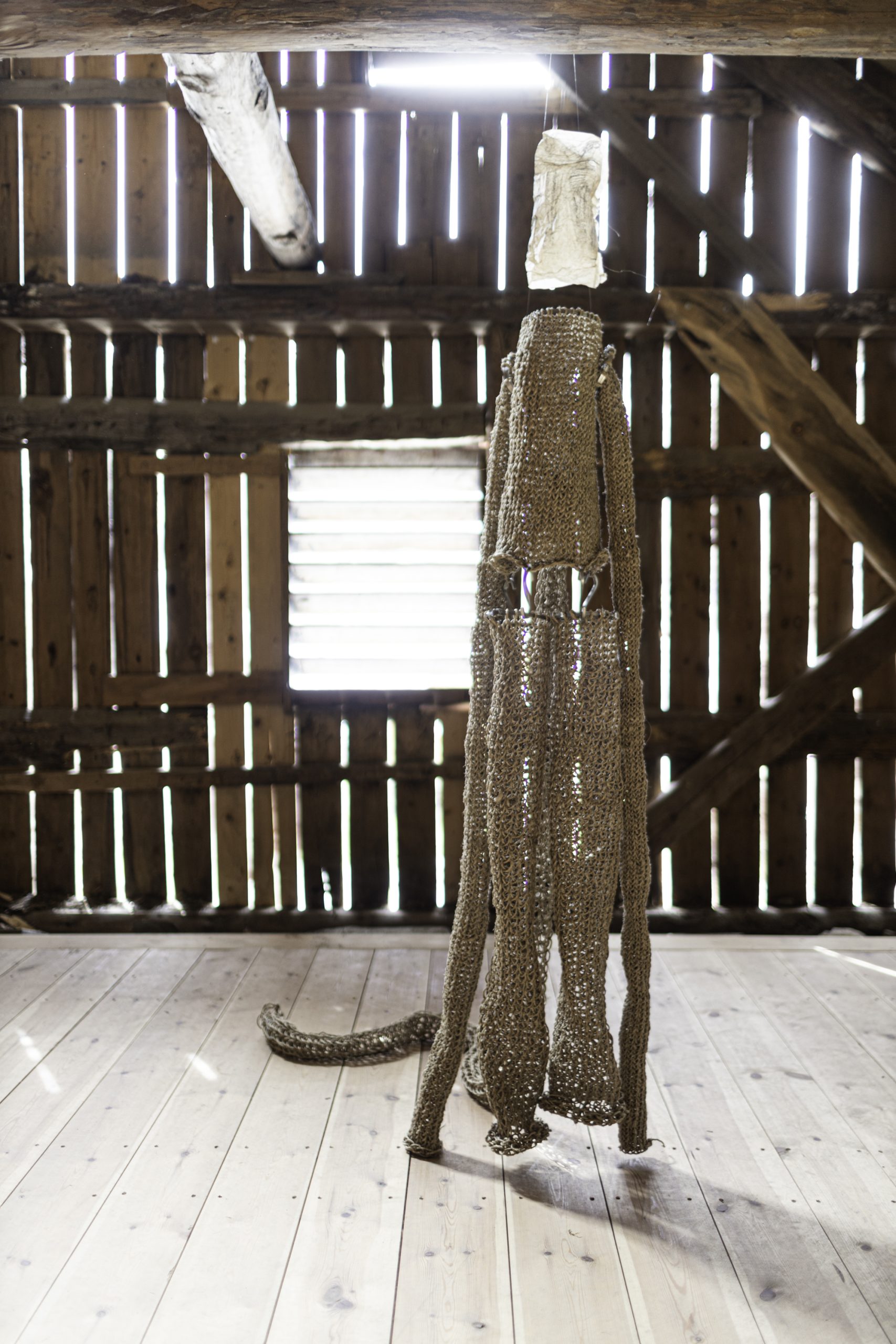
I. Body of Ta(i)l(e)s
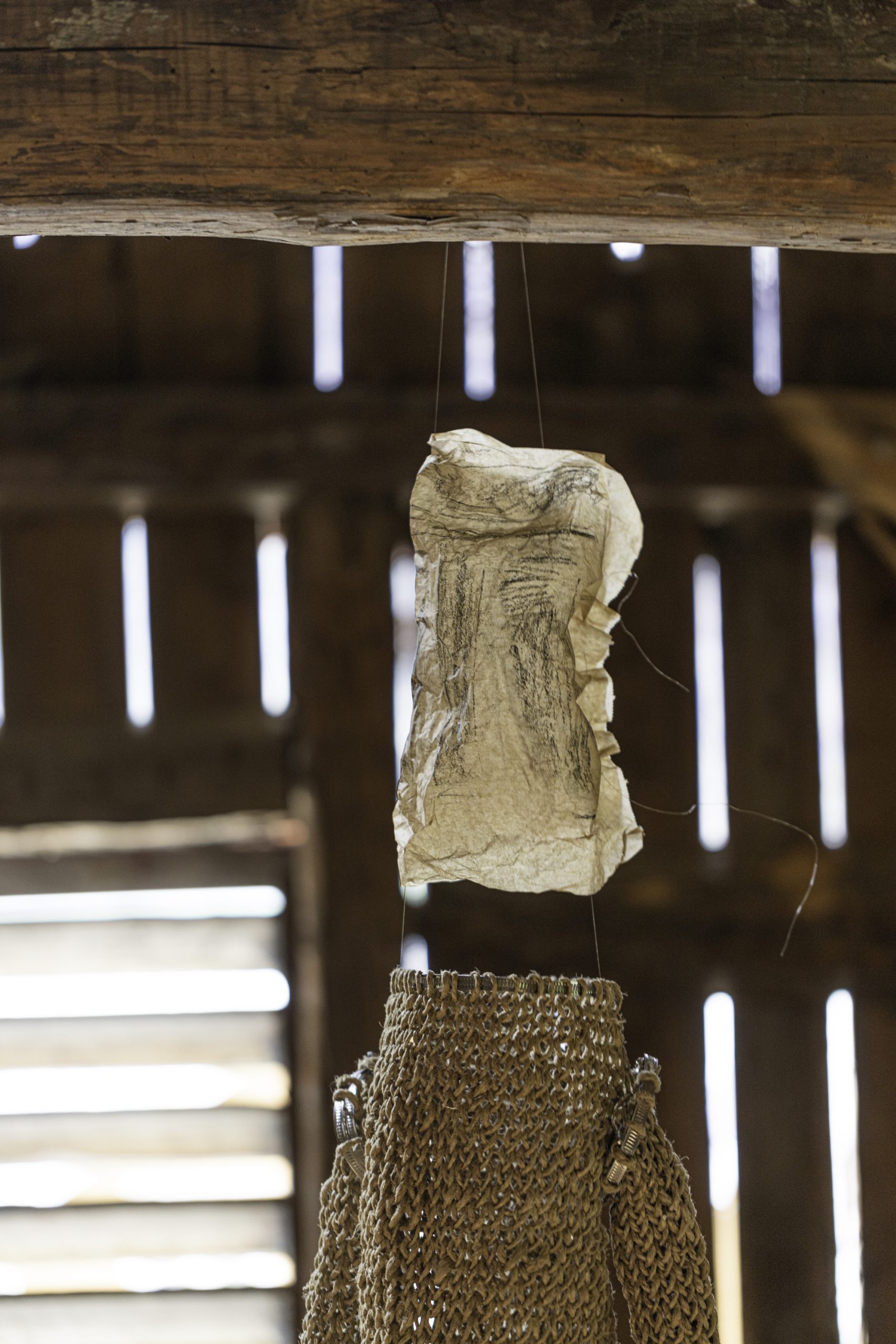
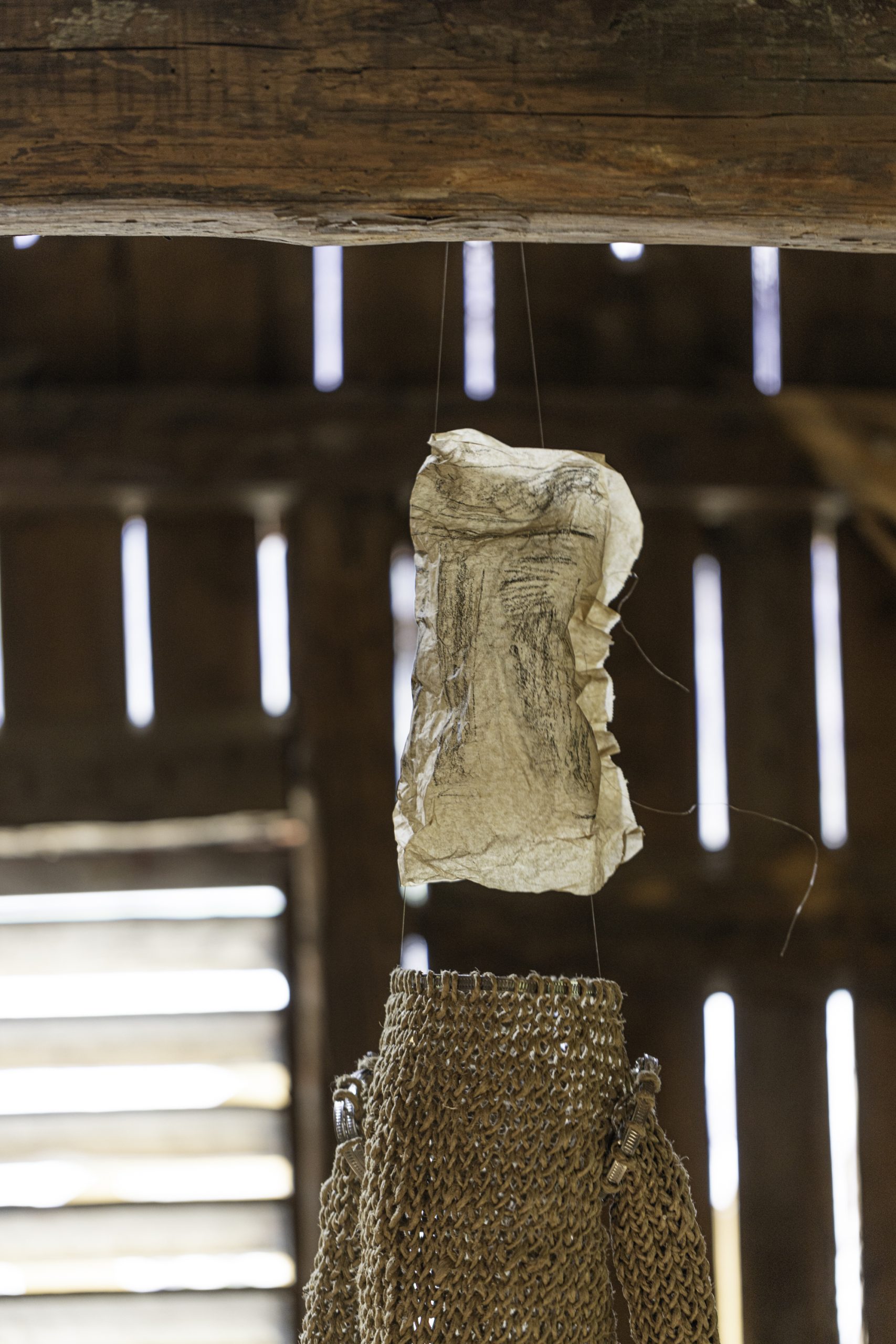
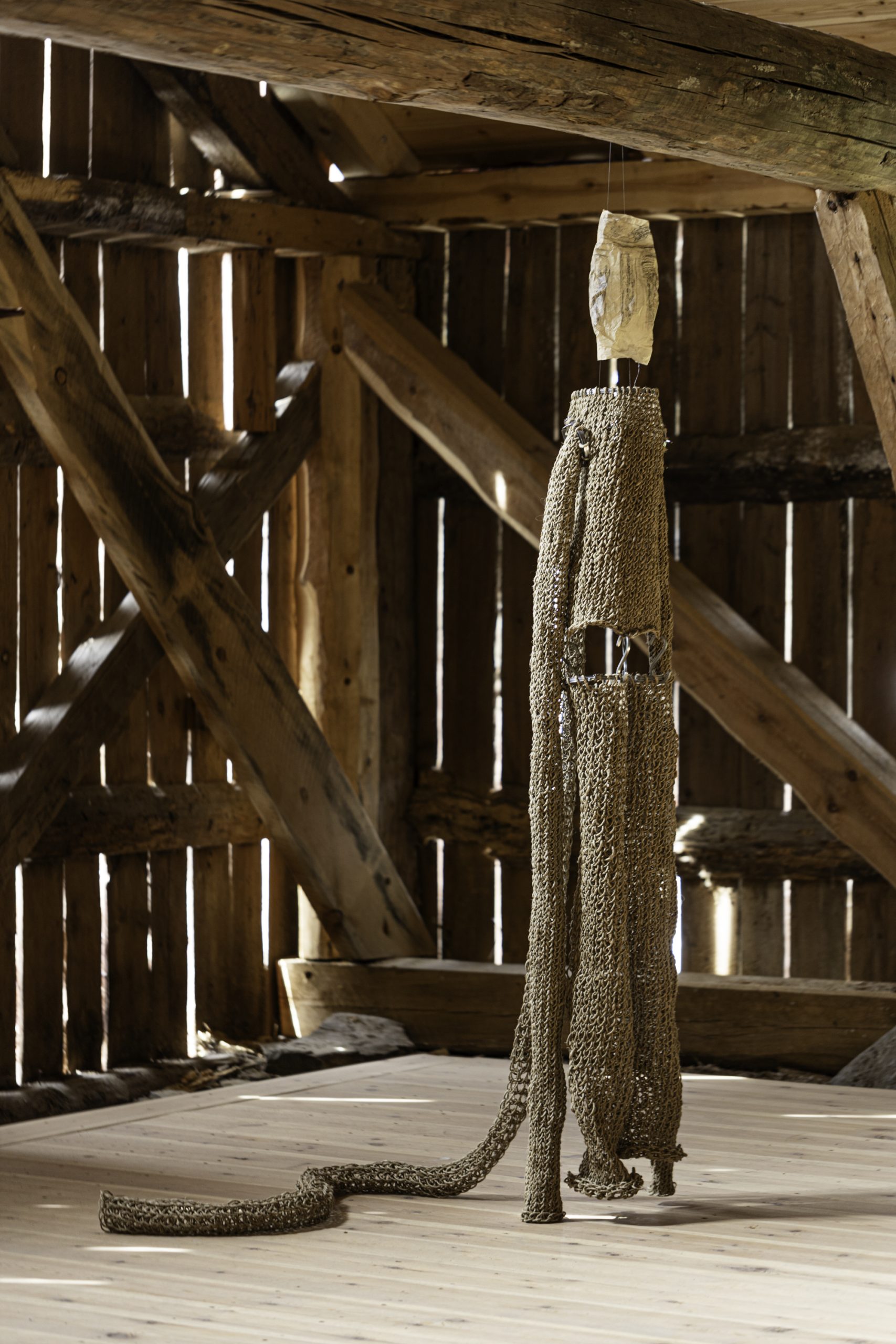
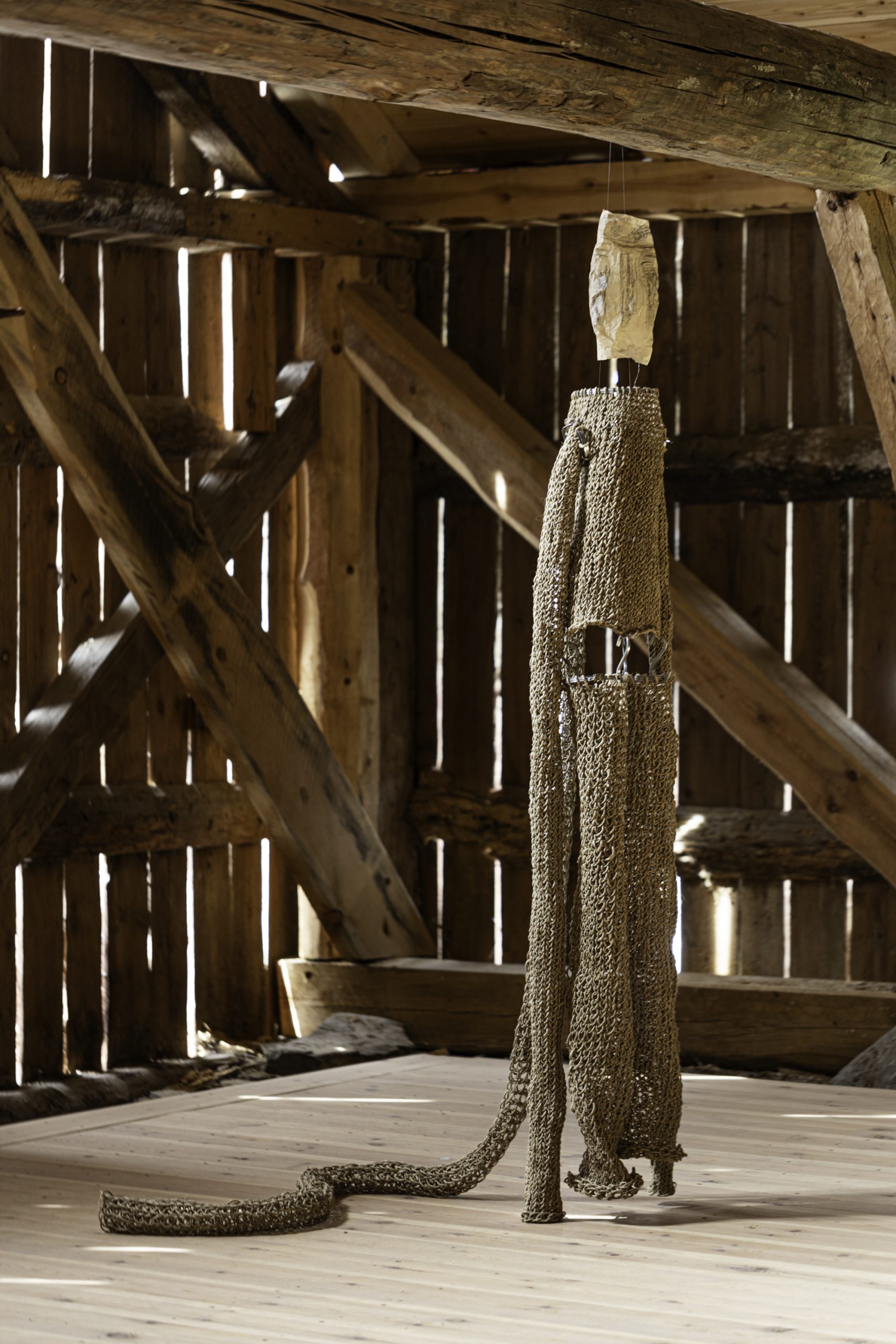
flax knitted bodysuit with paper mask (2026)
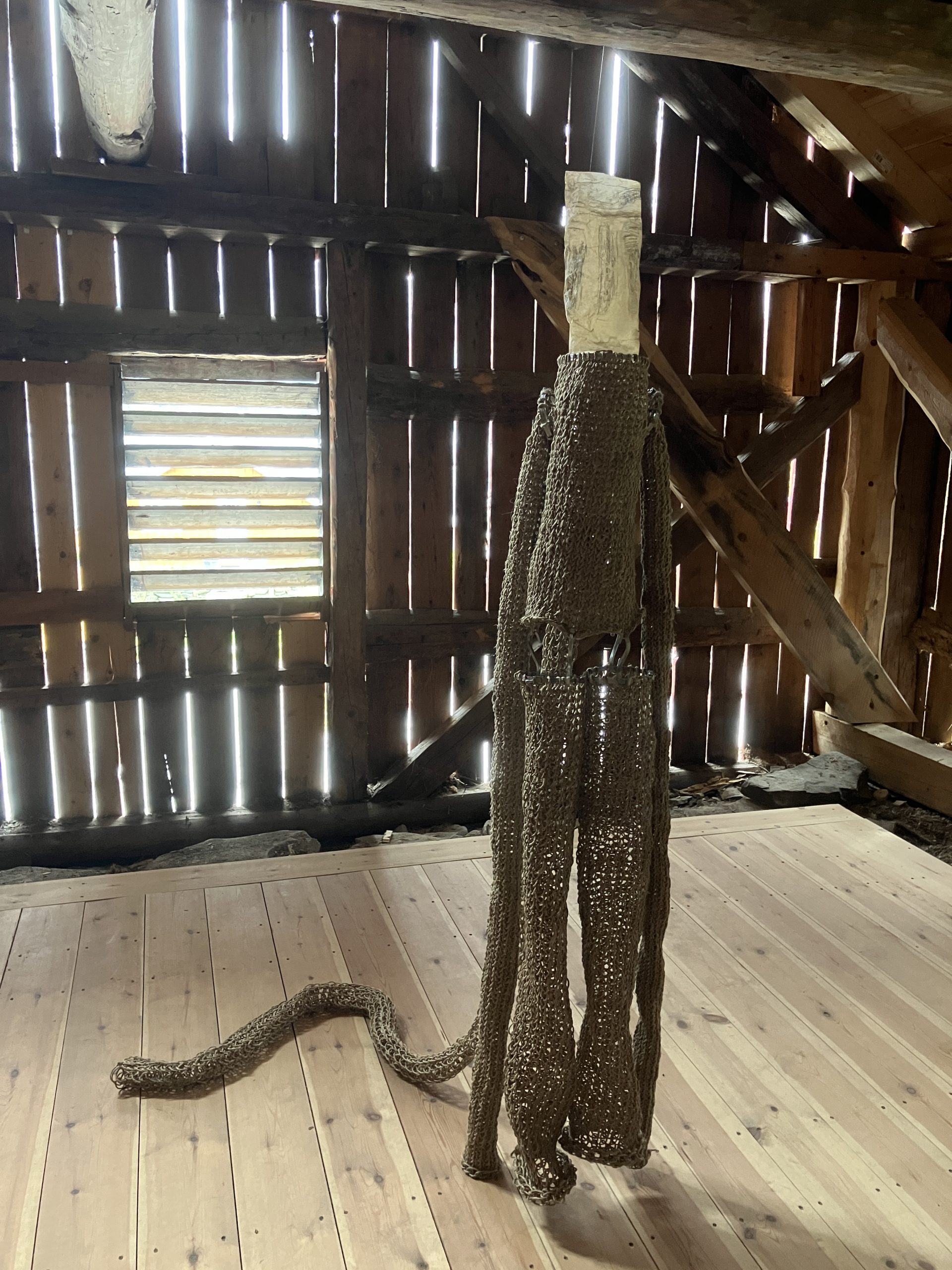
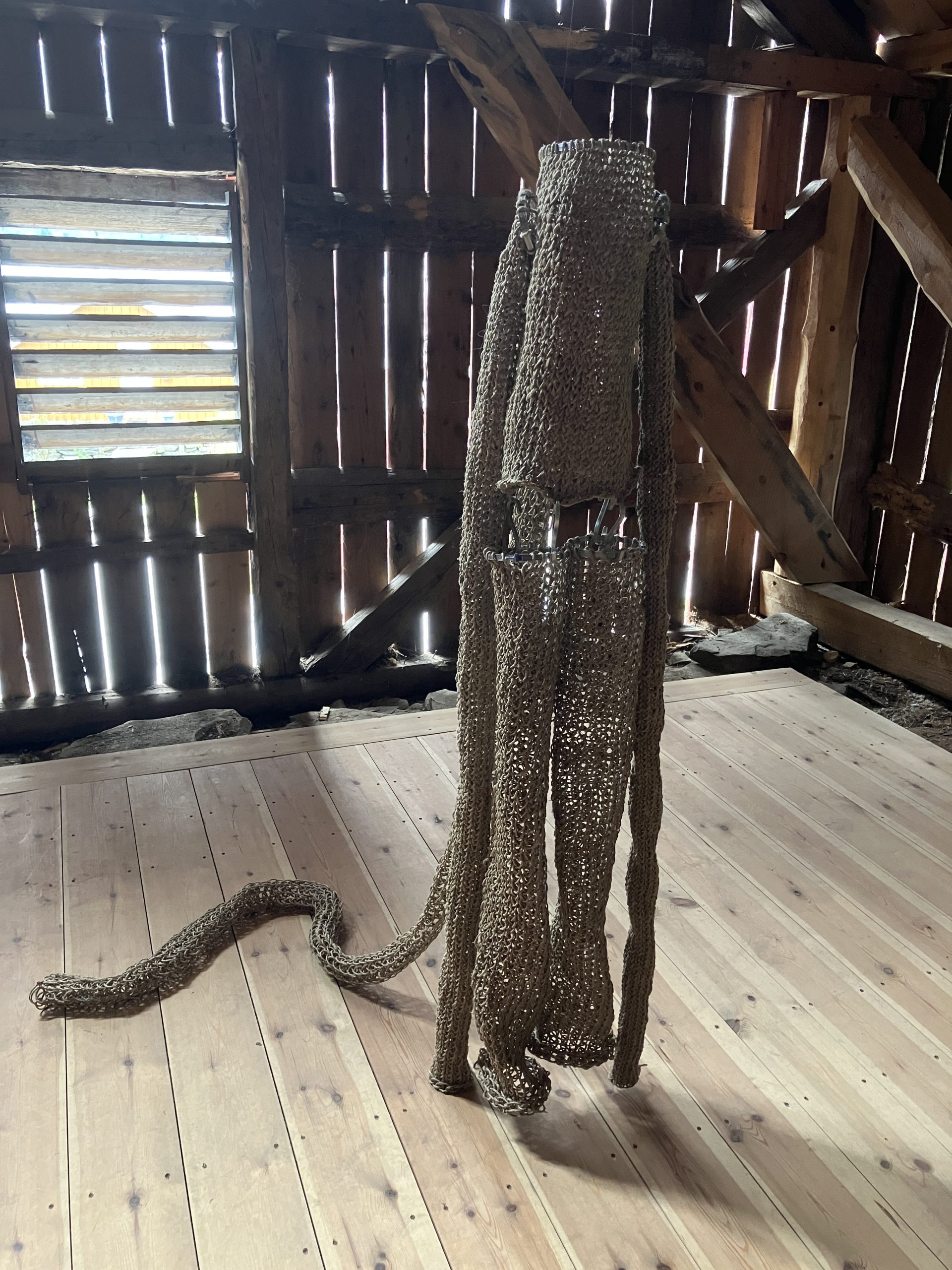
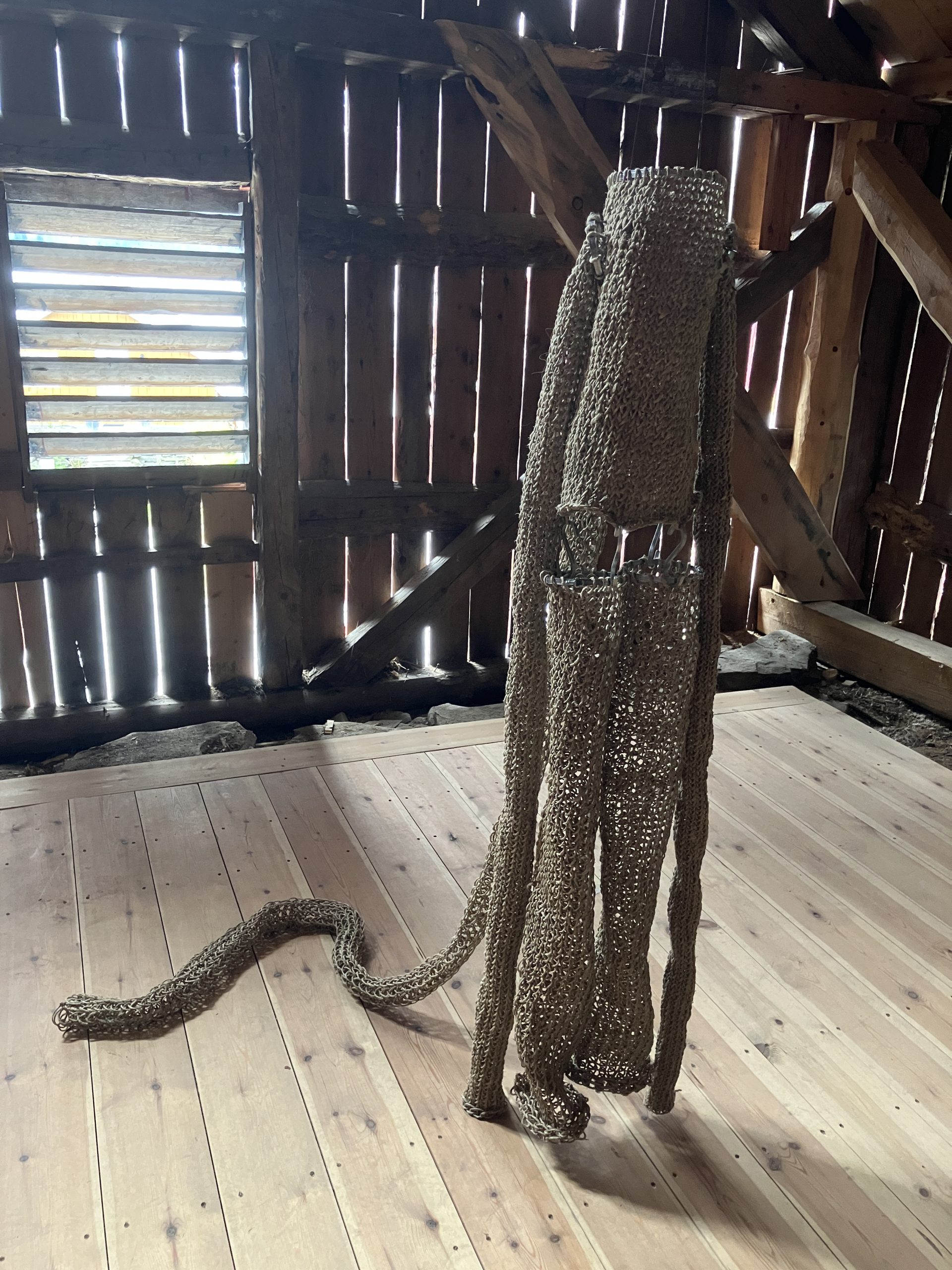
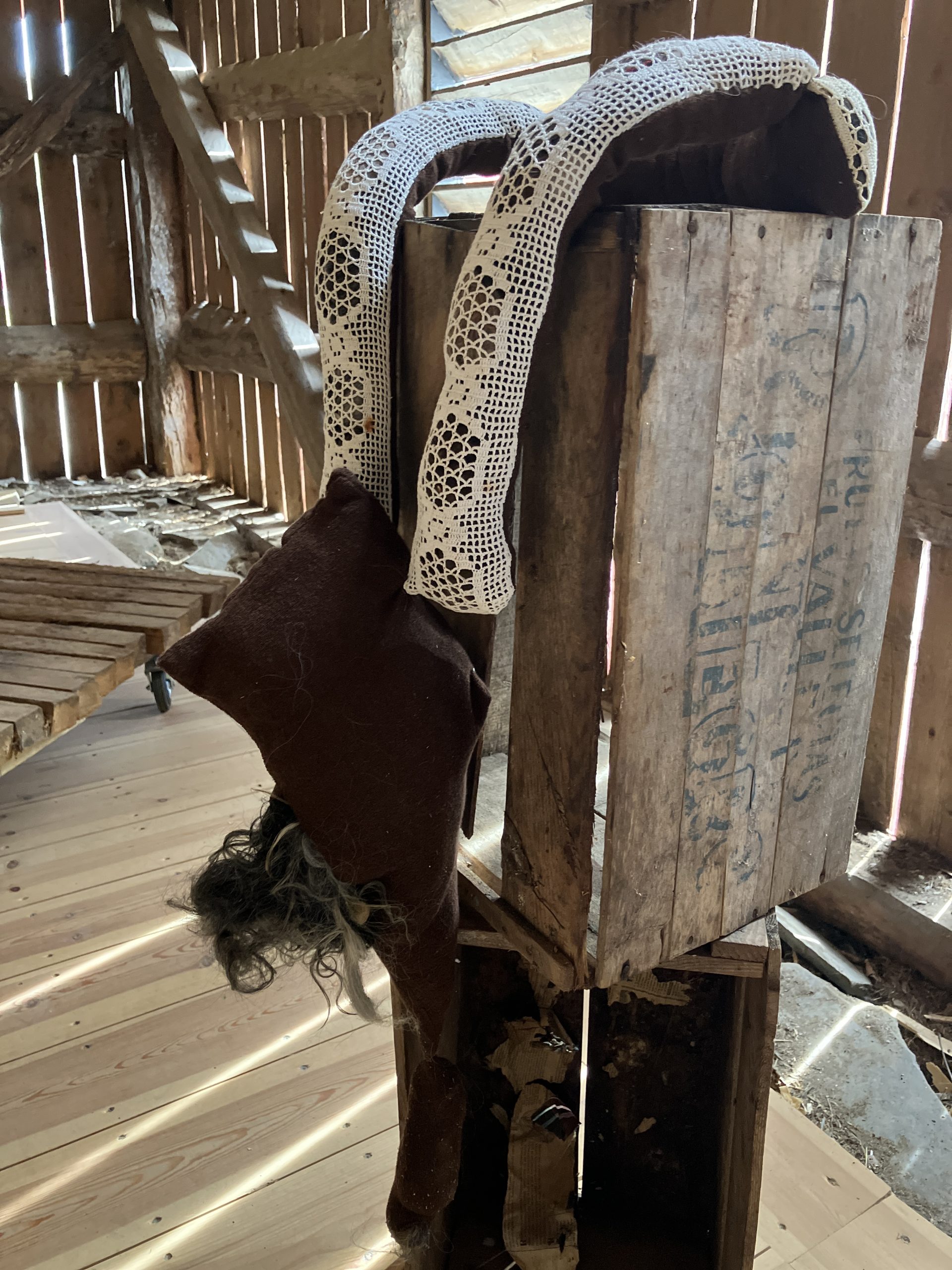
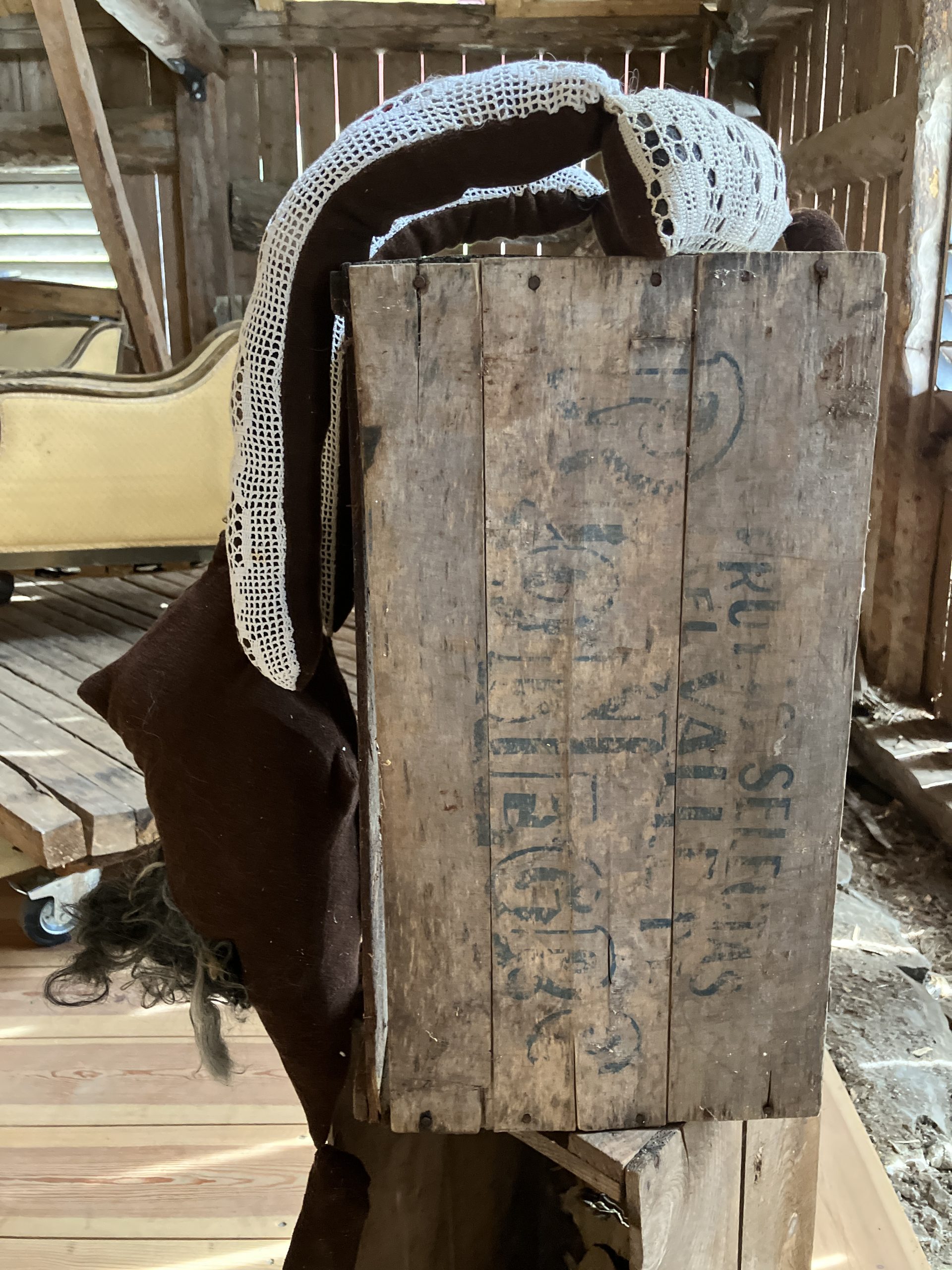
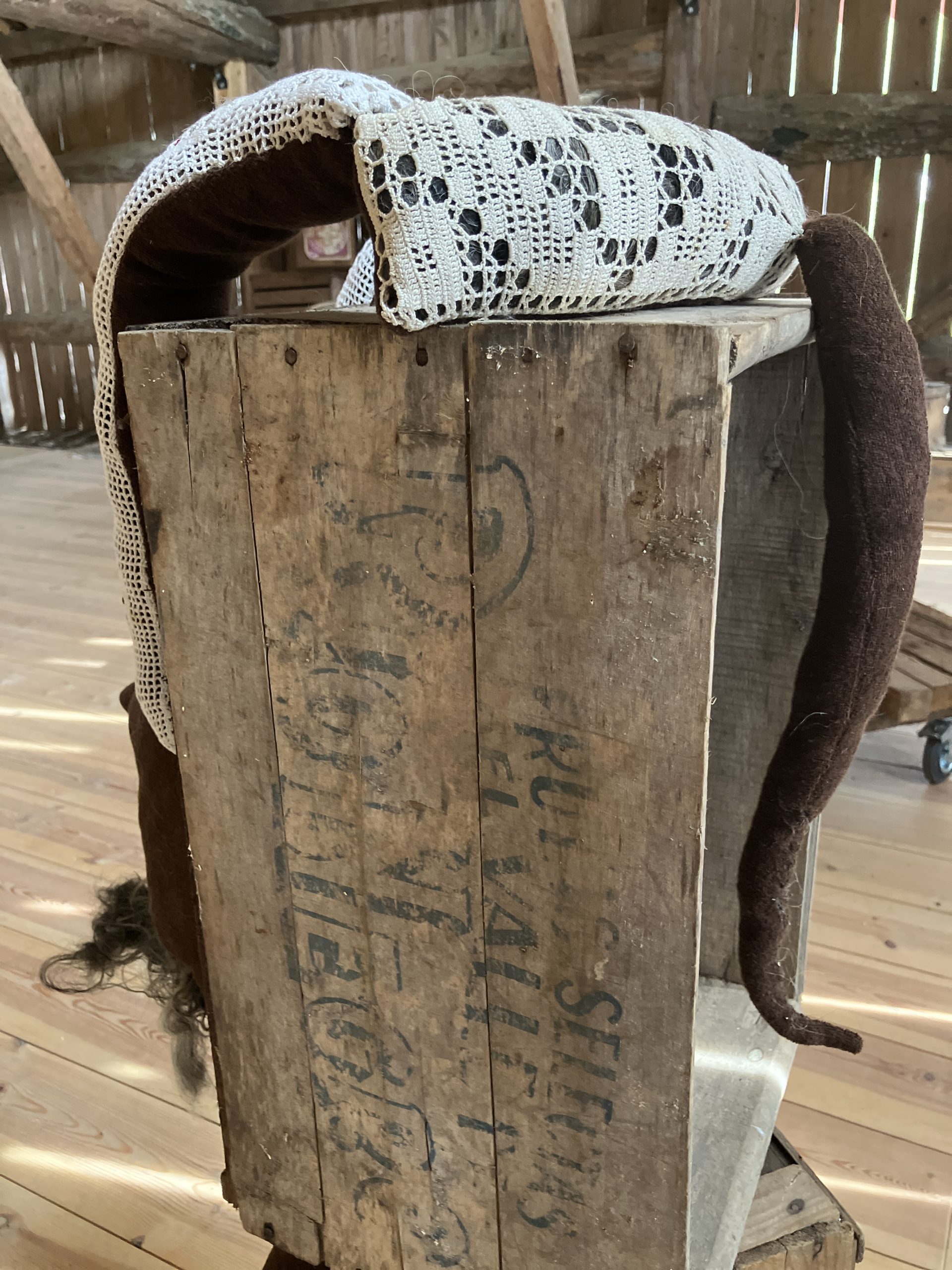
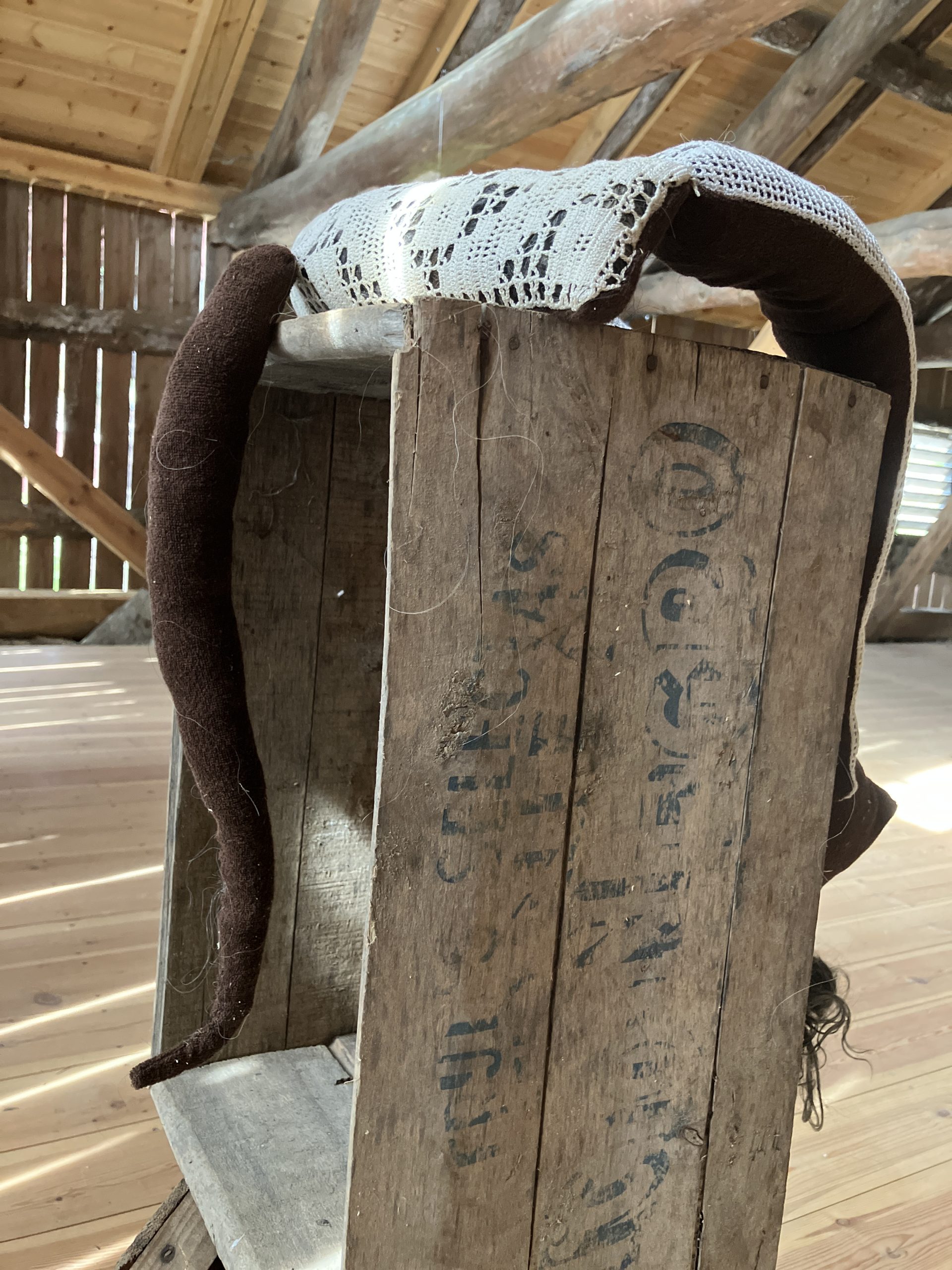
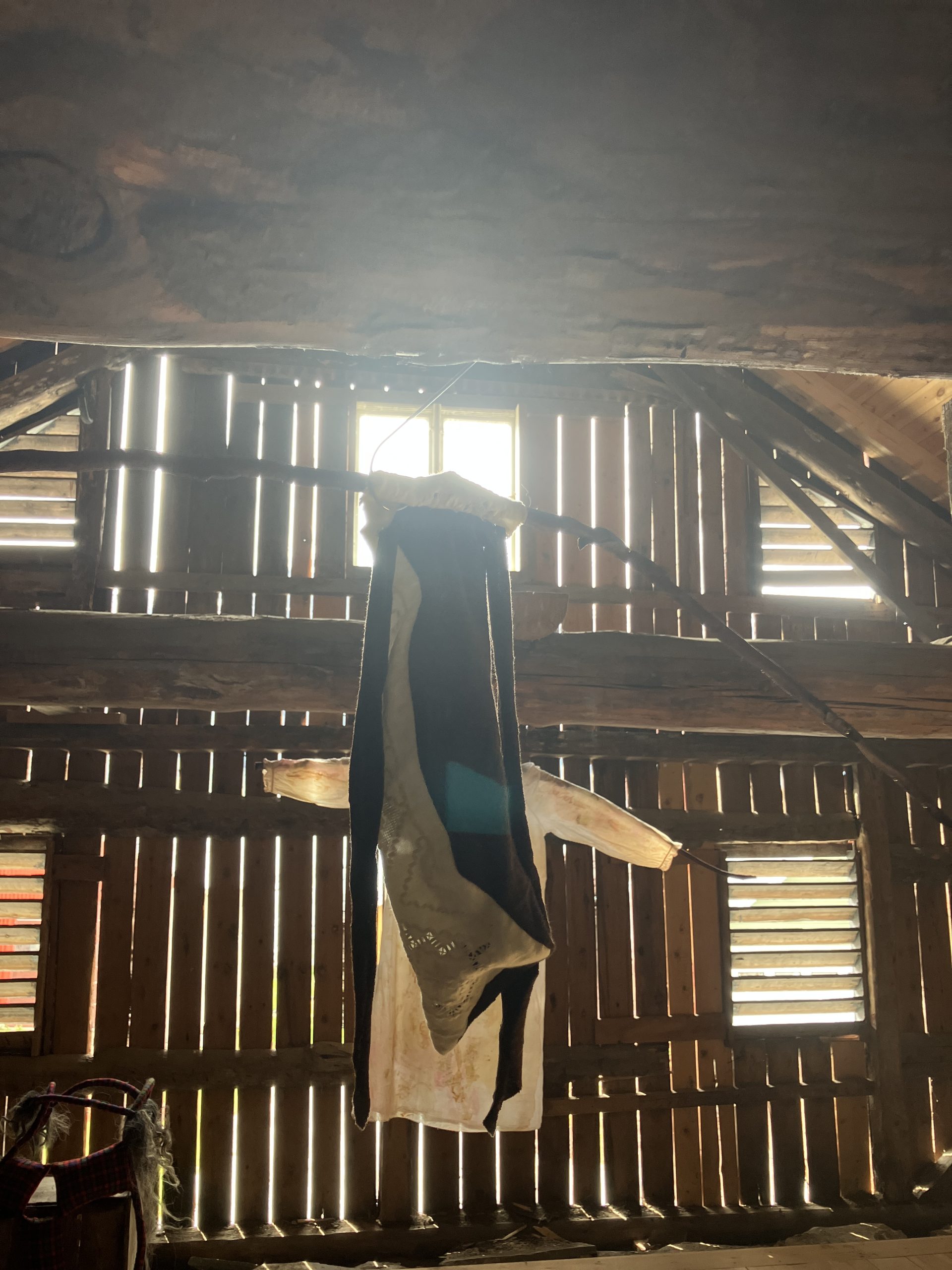
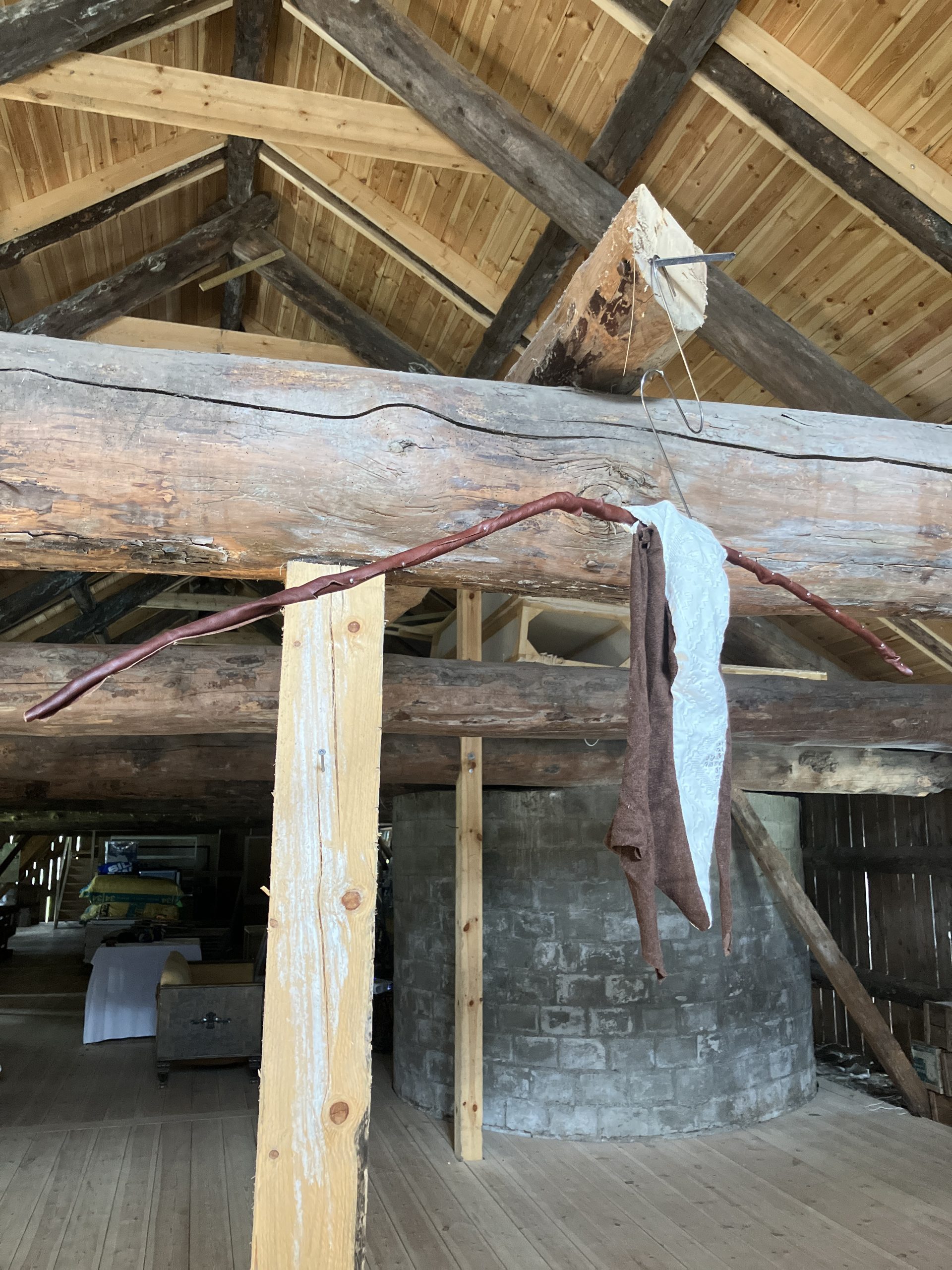
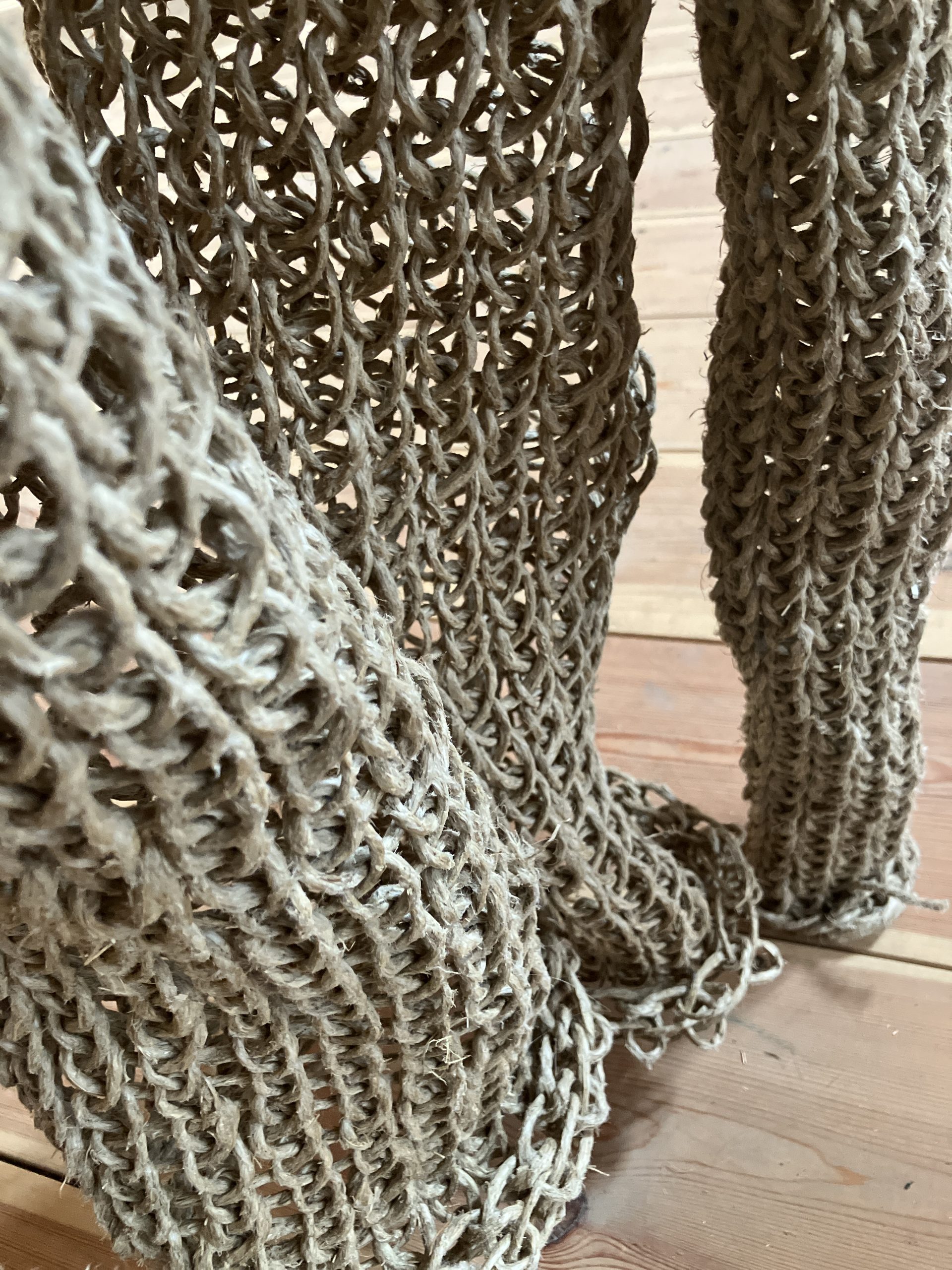
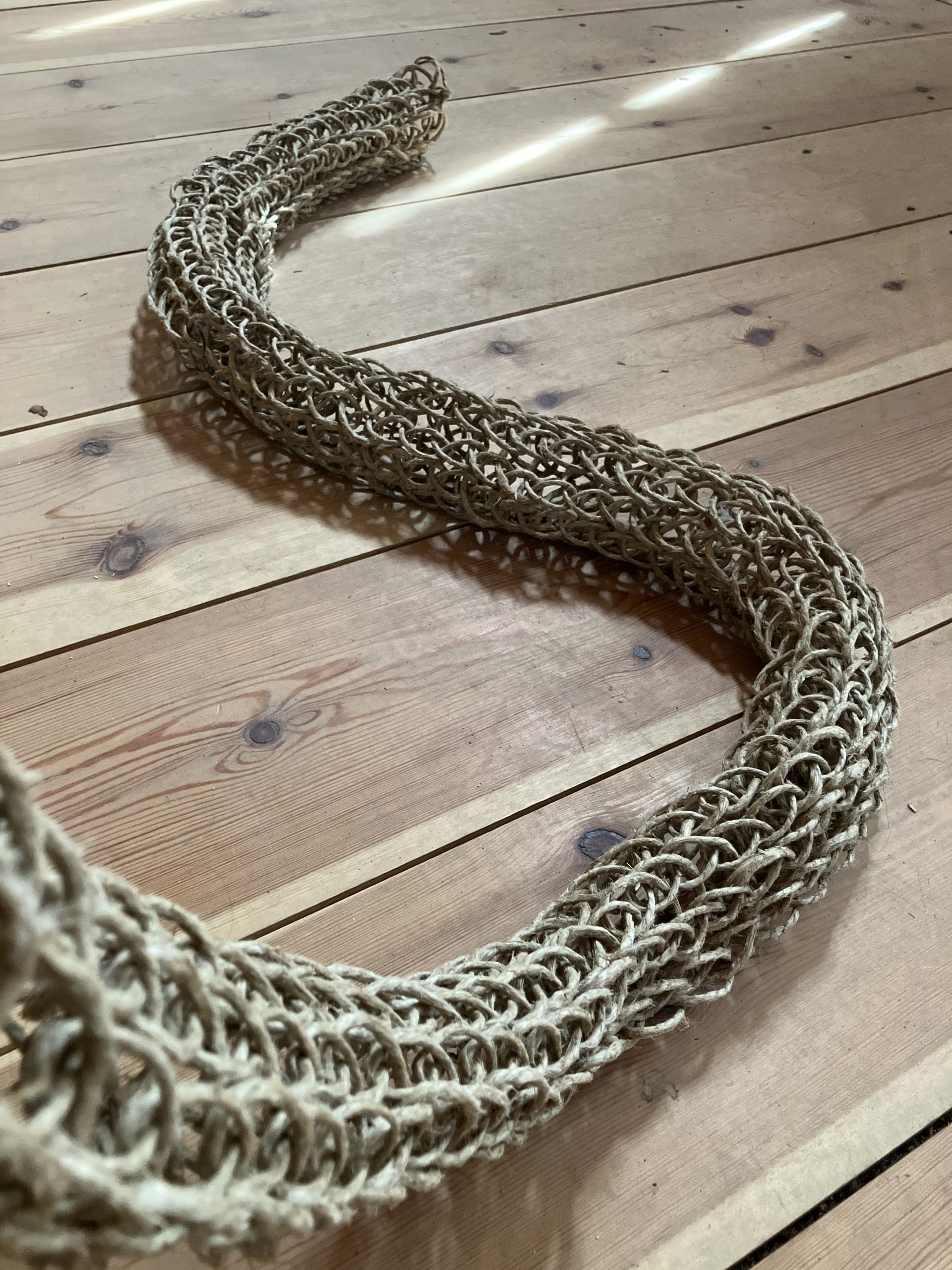
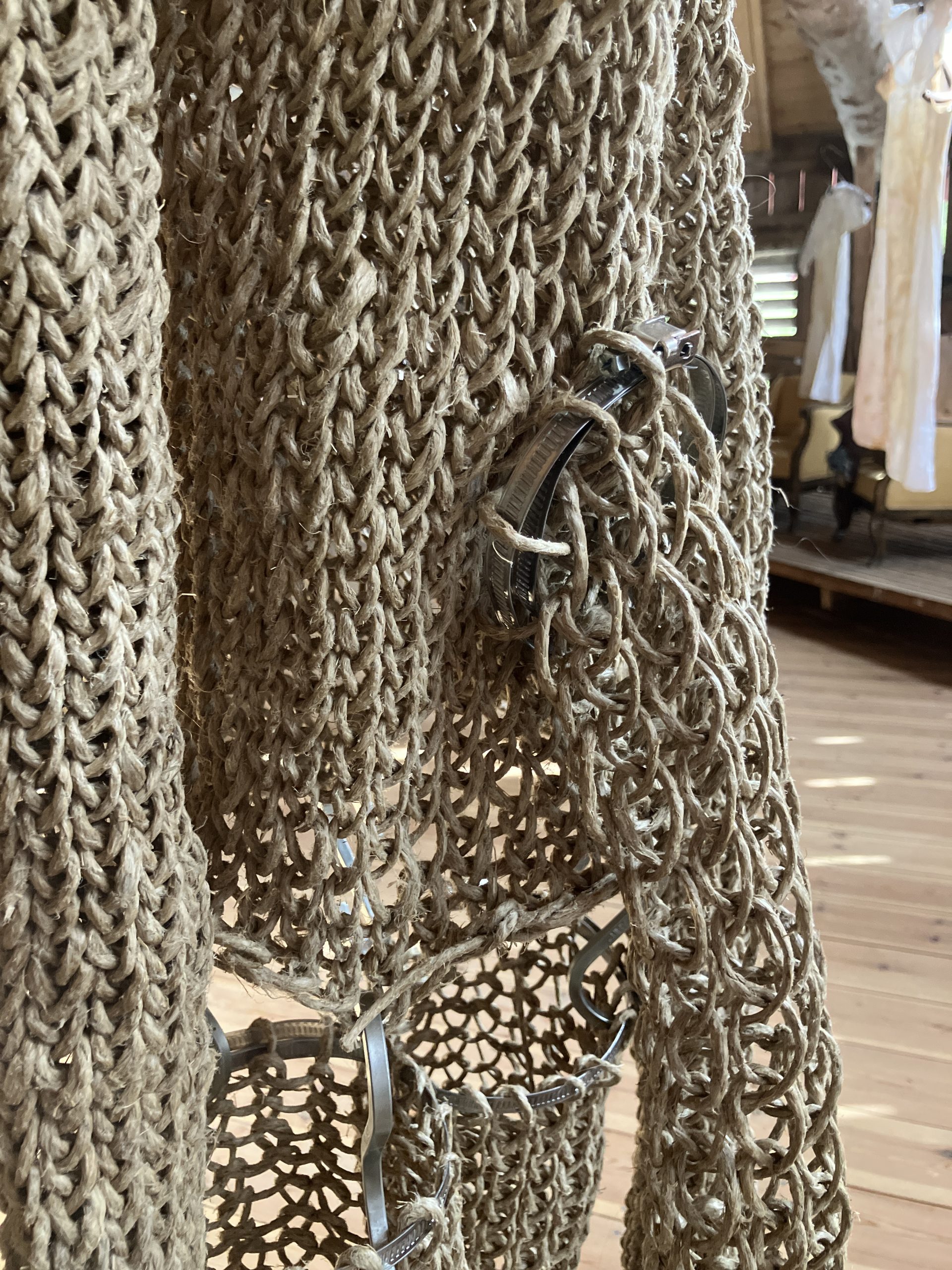
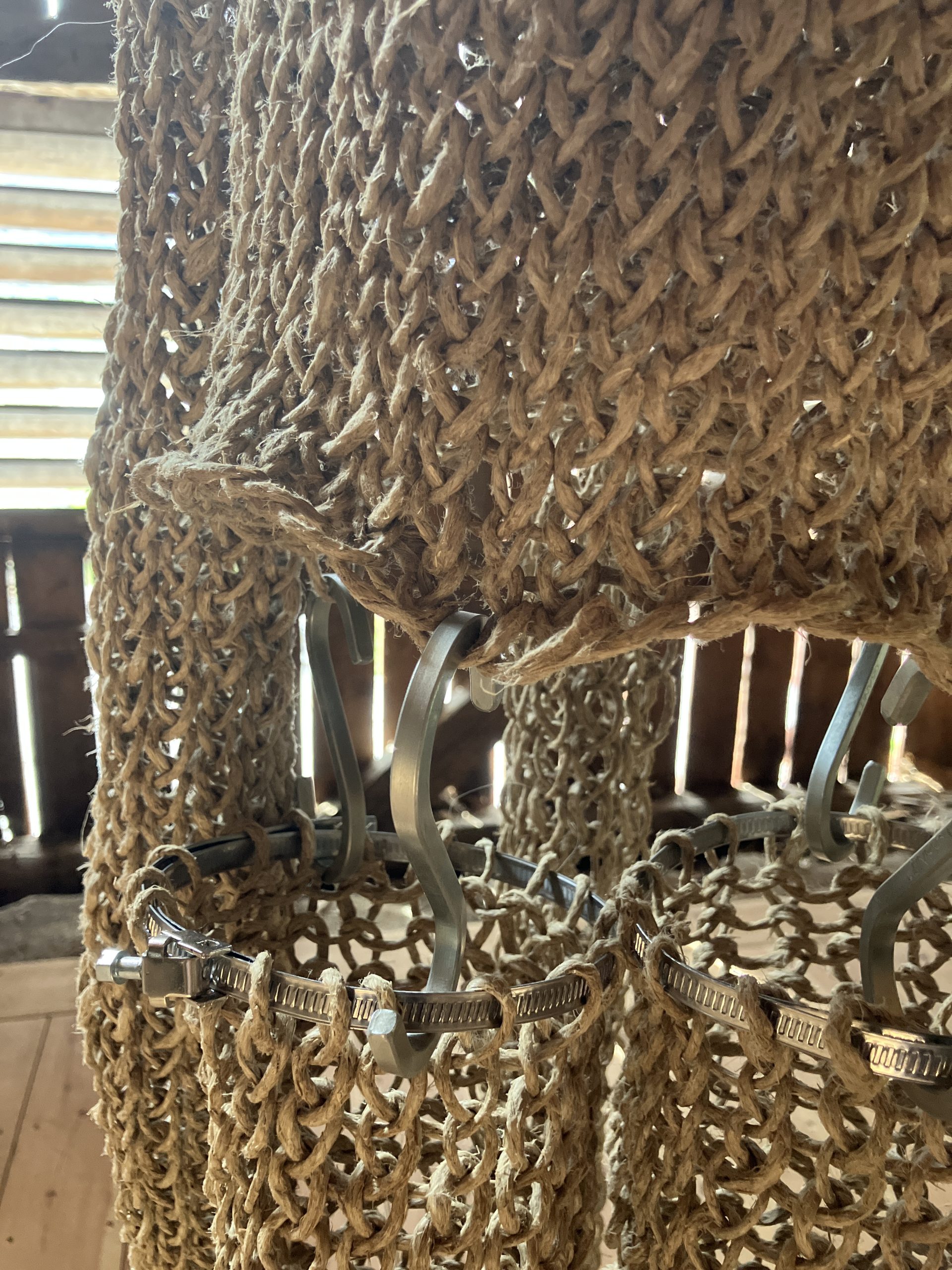
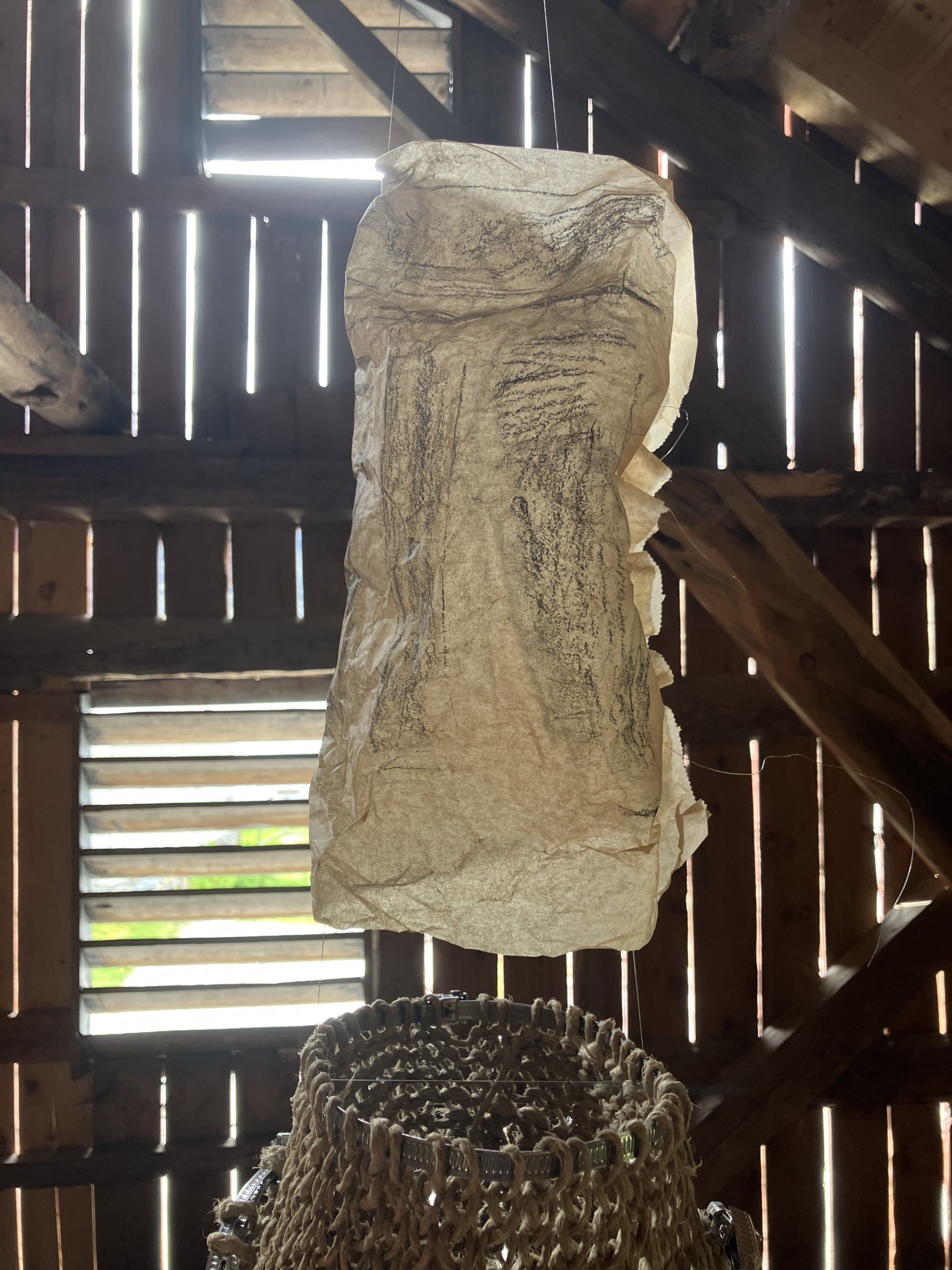
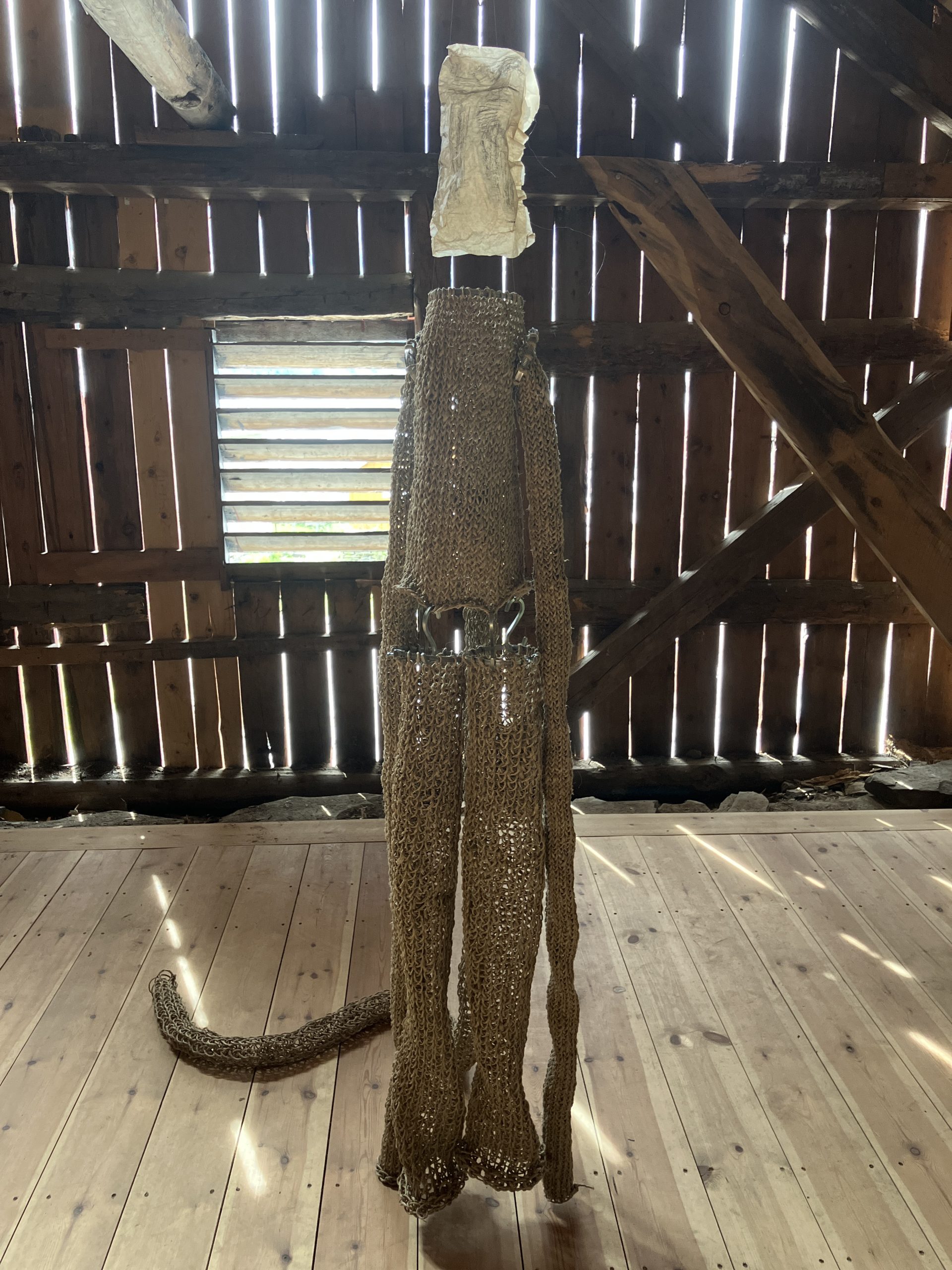
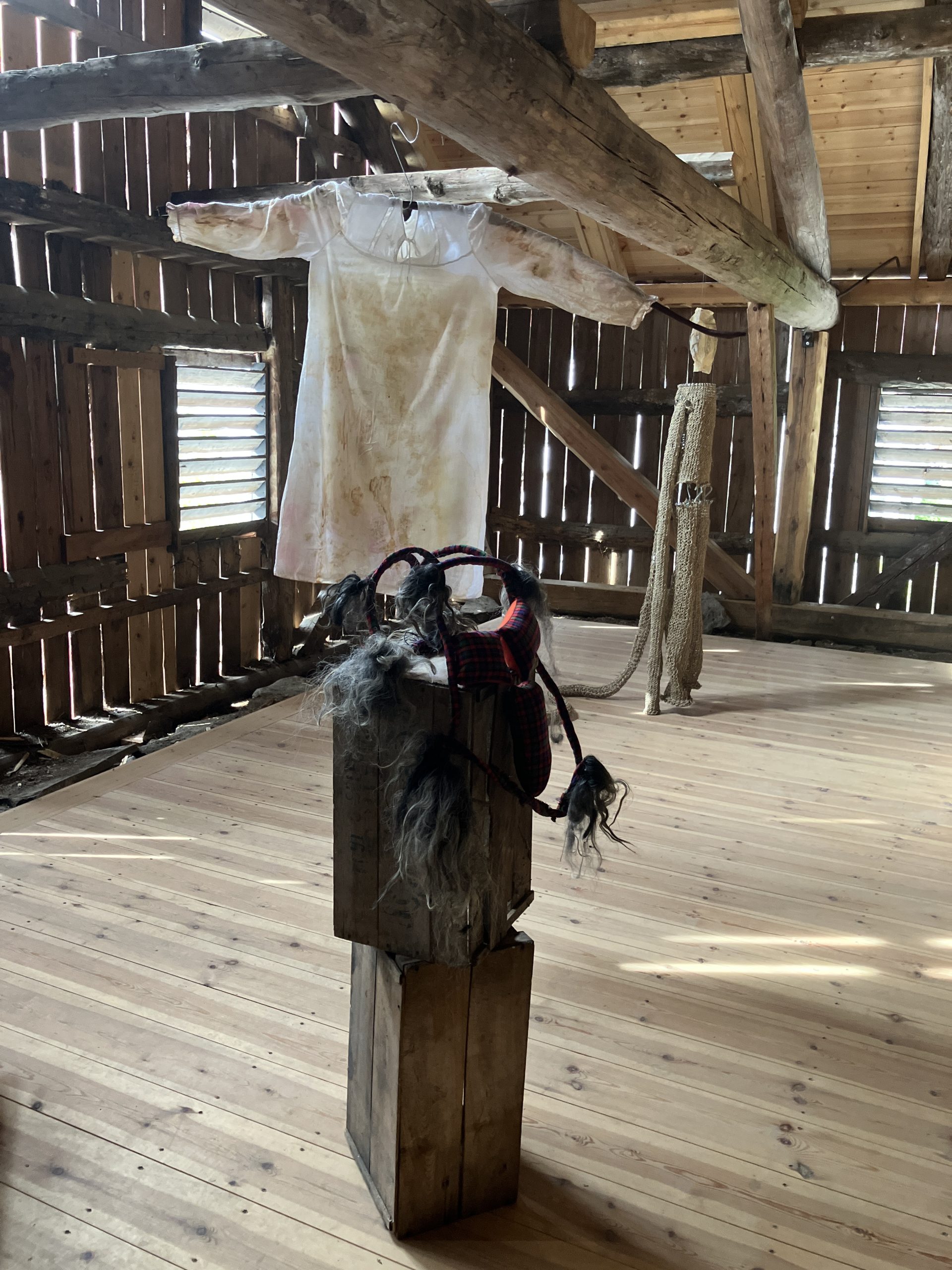
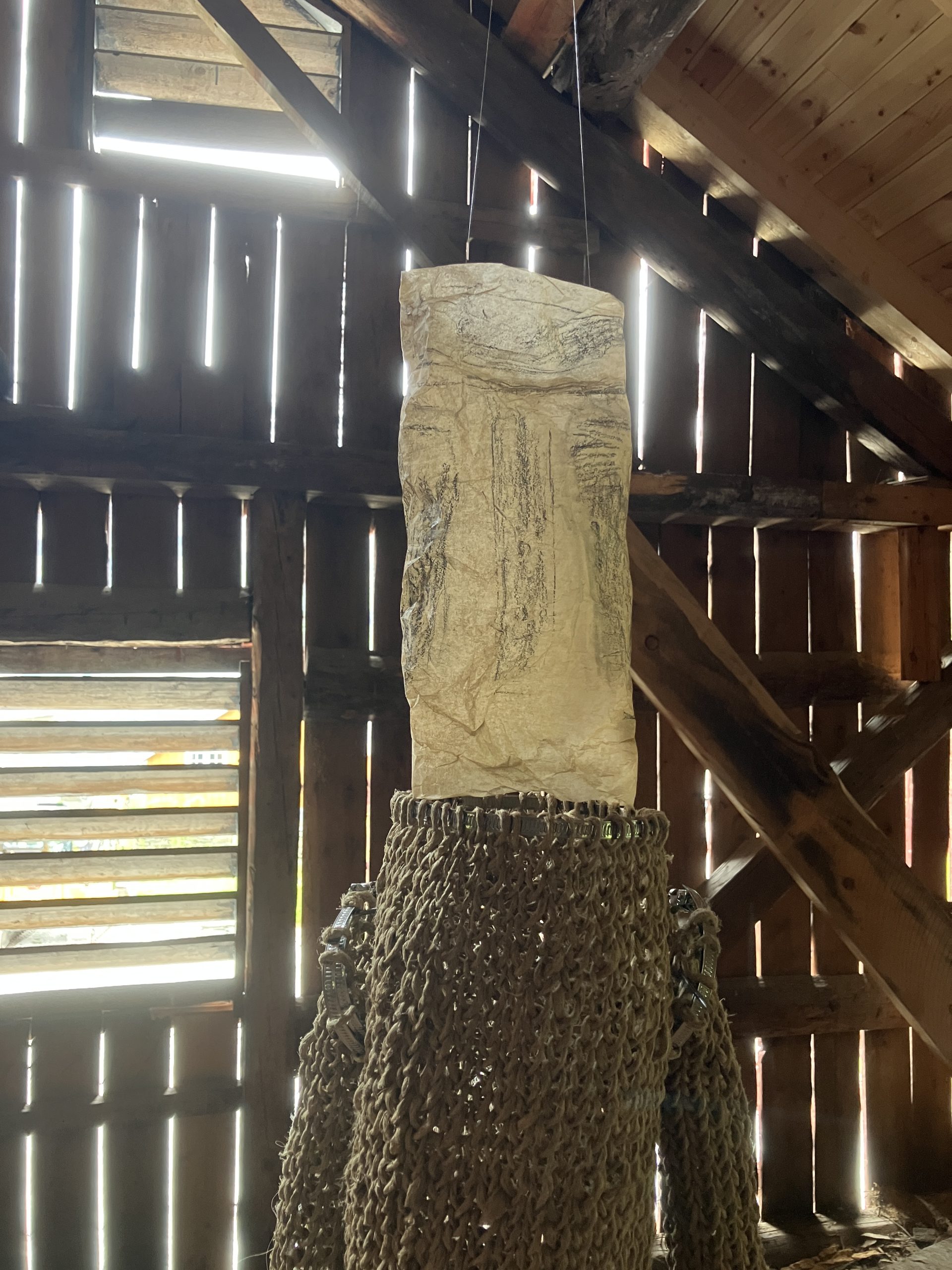
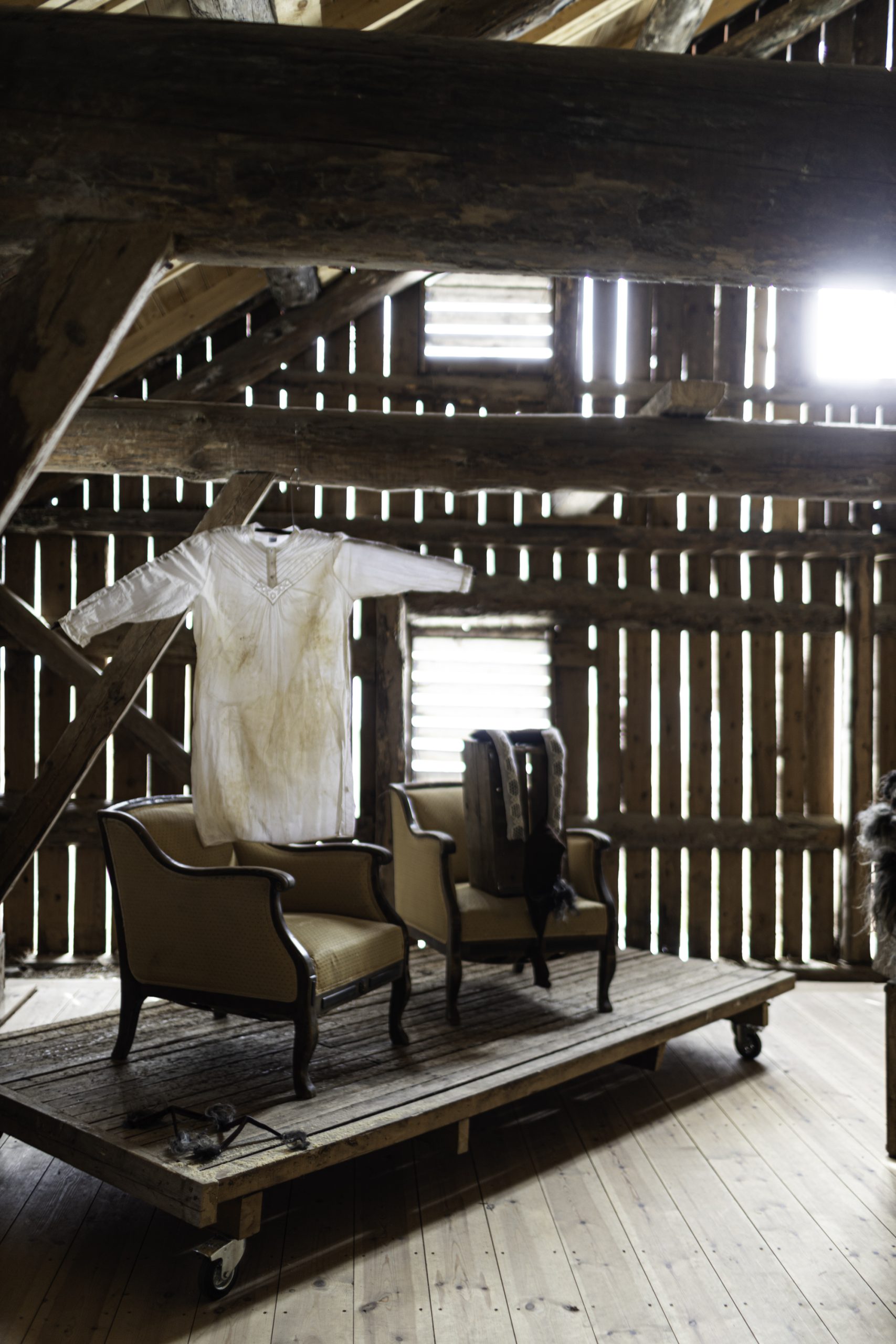
The myth of the Huldra tells of a female figure in the forests who seduces visitors into wandering deeper among the trees. One can recognise this creature by her tail, hidden beneath her dress. Those who marry the Huldra with the blessings of the church are said to have “tamed” her once she loses her tail. Arriving in Luster, Liselore Frowijn found herself immersed in nature and sensed the potential presence of the Huldra in every corner. To what extent does the mystification of nature help us connect more deeply to our surroundings, or instead create greater distance? For this piece, Frowijn plays with the possibility of reversing the myth: what if we are all the Huldra, existing in a body of tails instead of merely a tale about tails? In the attic of Luster Mikromakeri, visitors encounter a floating suit of tails, as if the Huldra has just departed, or as though any of us might become like her. This first work consists of a bodysuit made up of six chunky tubes in various sizes, round-knitted from thick, hairy flax fibre rope. Flax fibres were widely used throughout Norwegian maritime history, often mixed with hemp for rope, sails and fishing nets.
II. & III. In the Midst of Mists
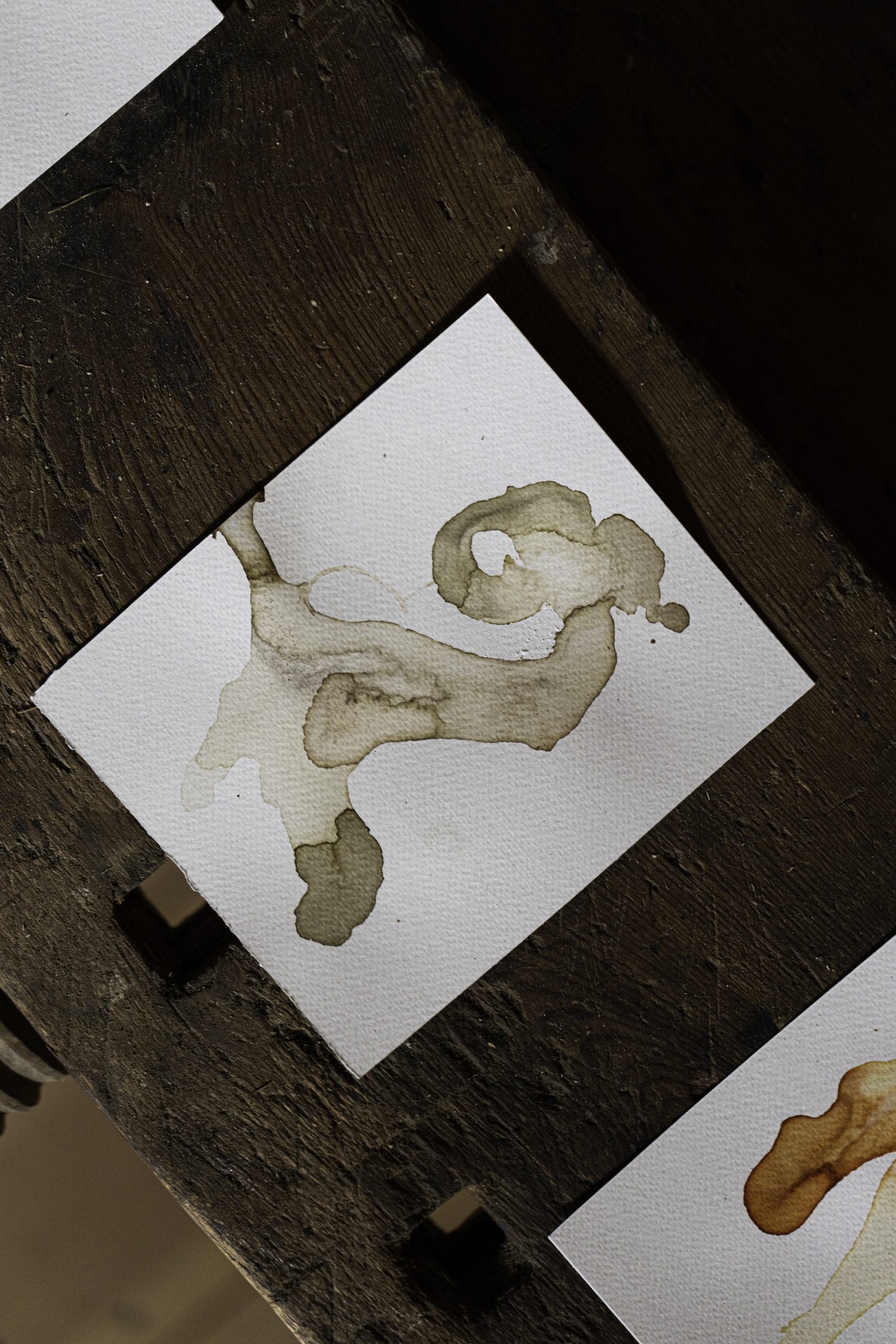
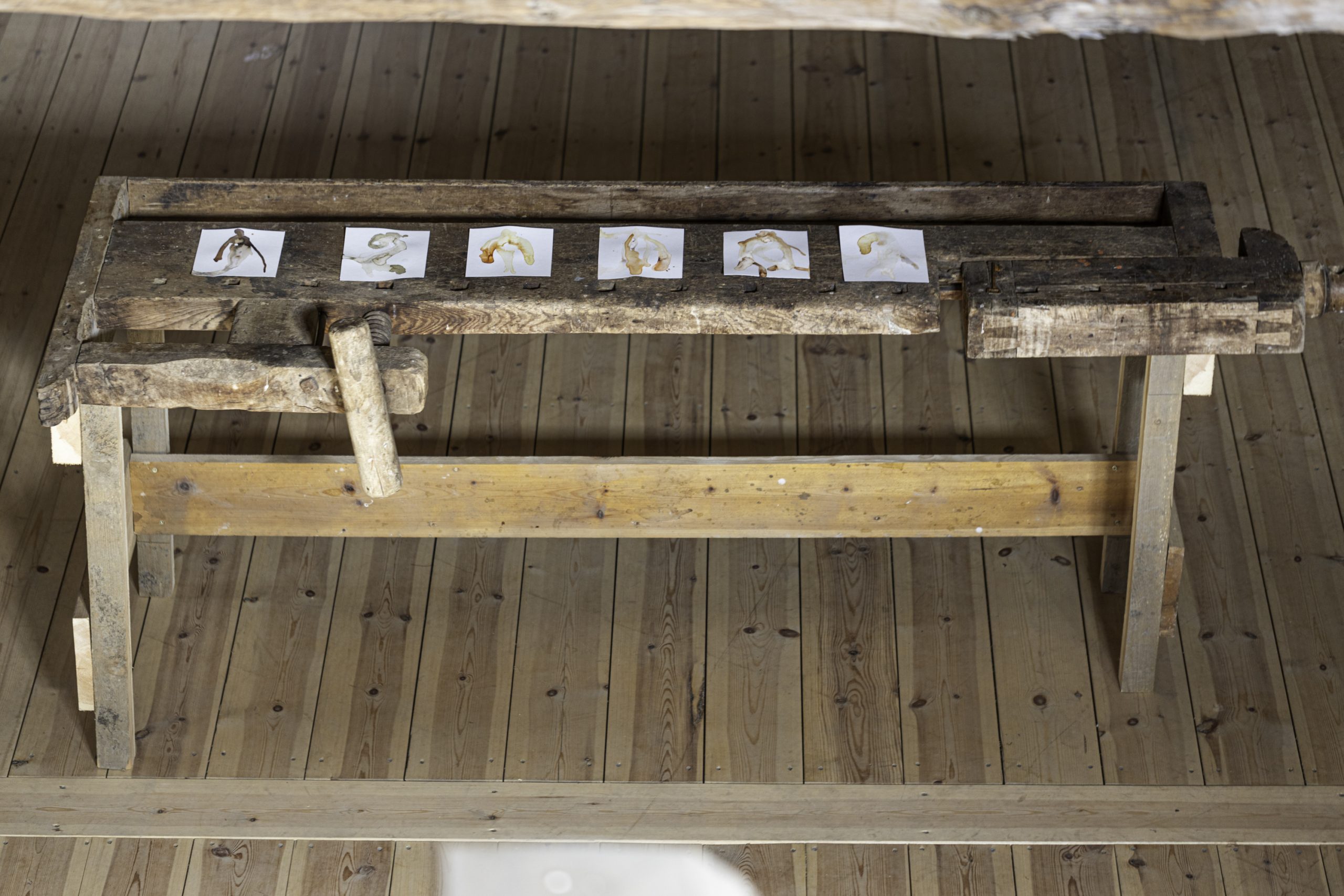
plant-inks & aquarelles (2026)
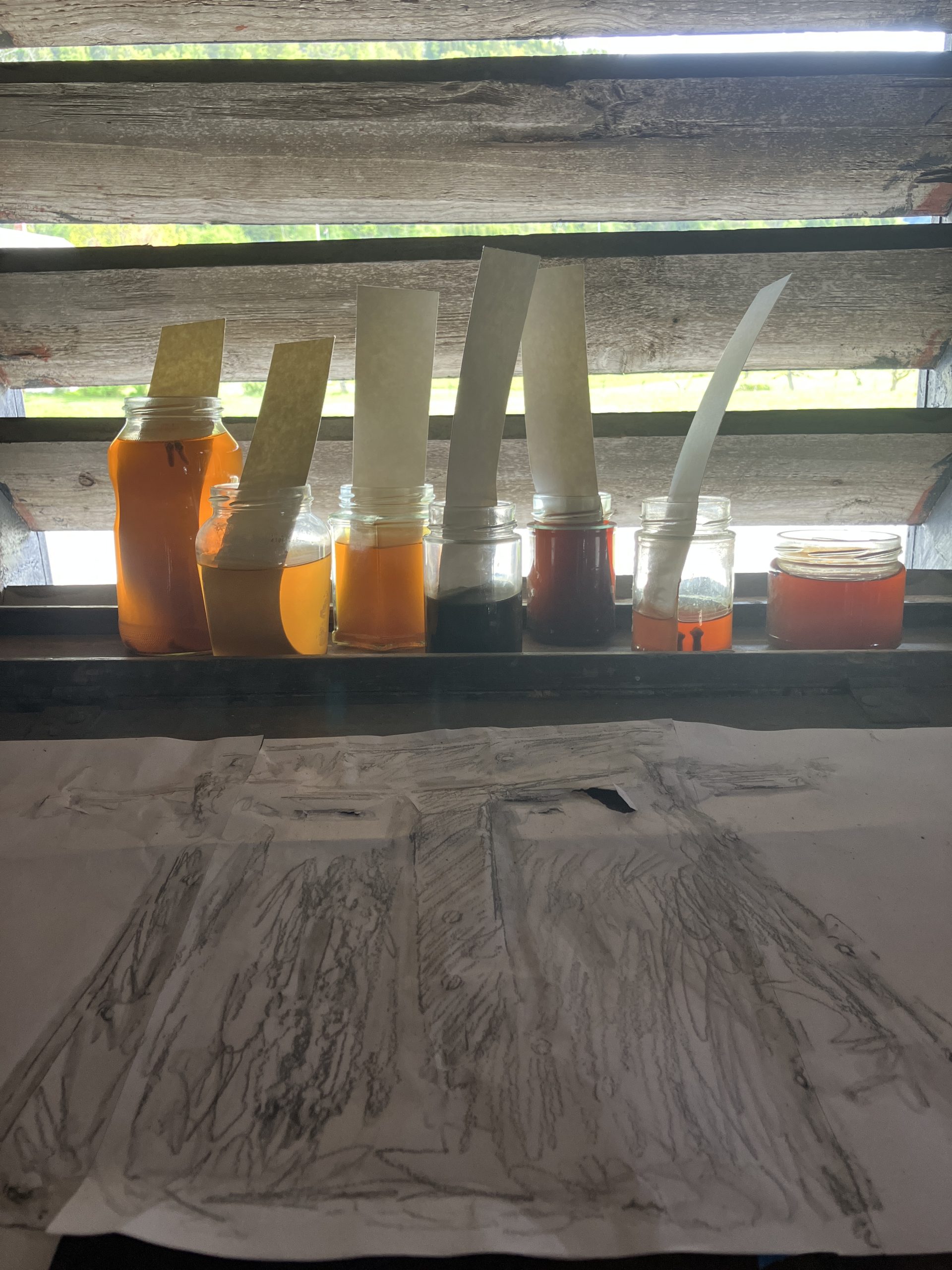
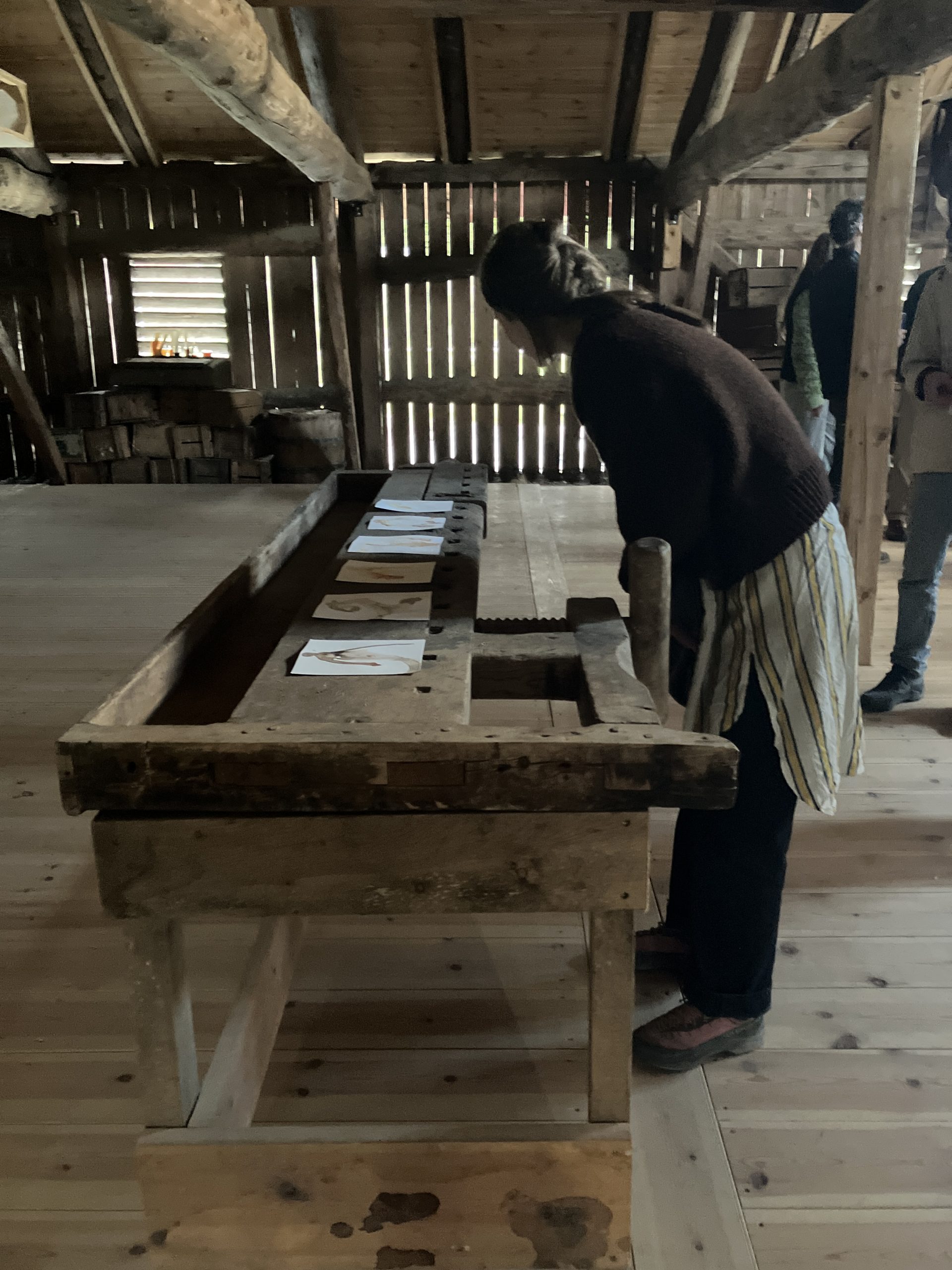
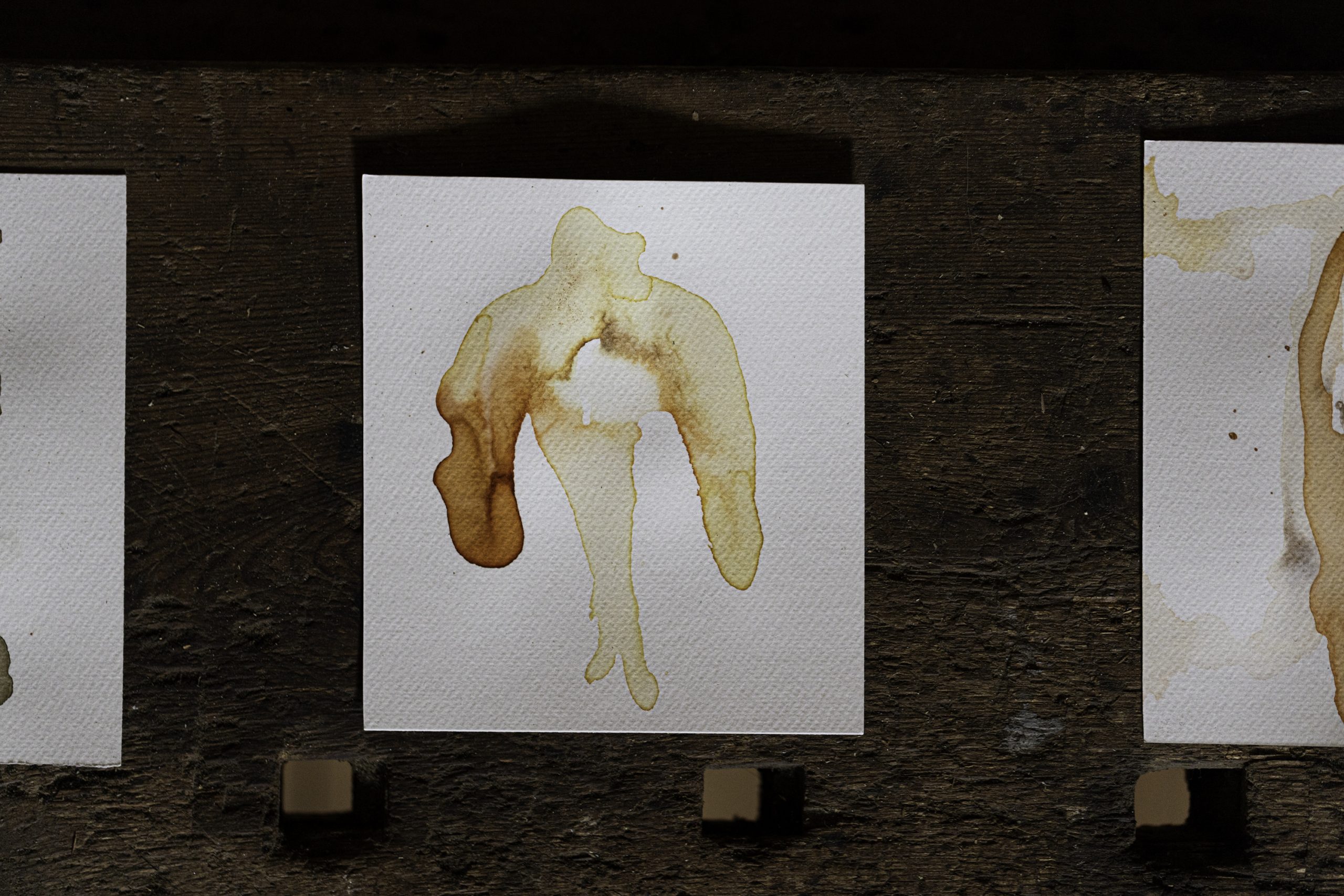
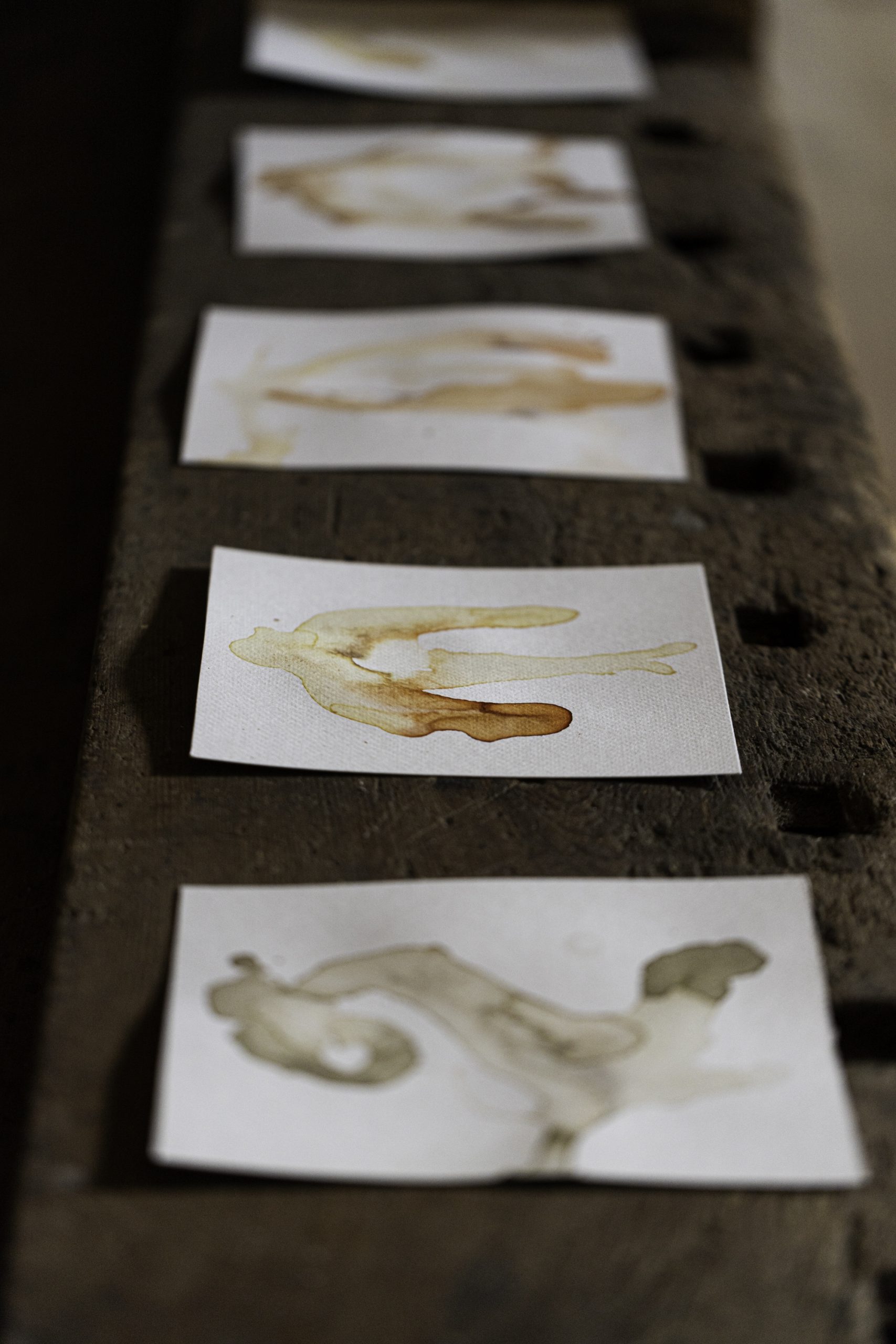
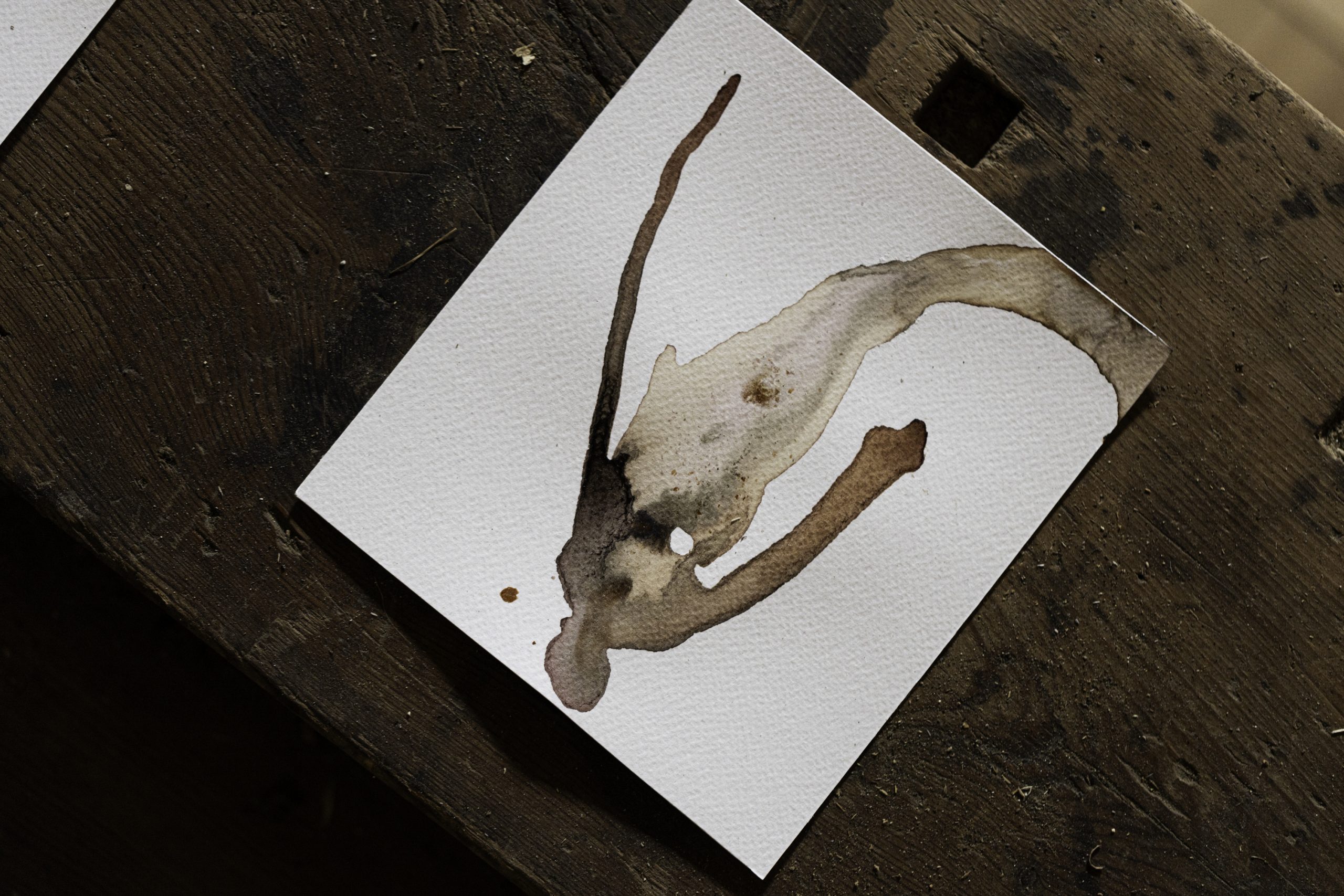
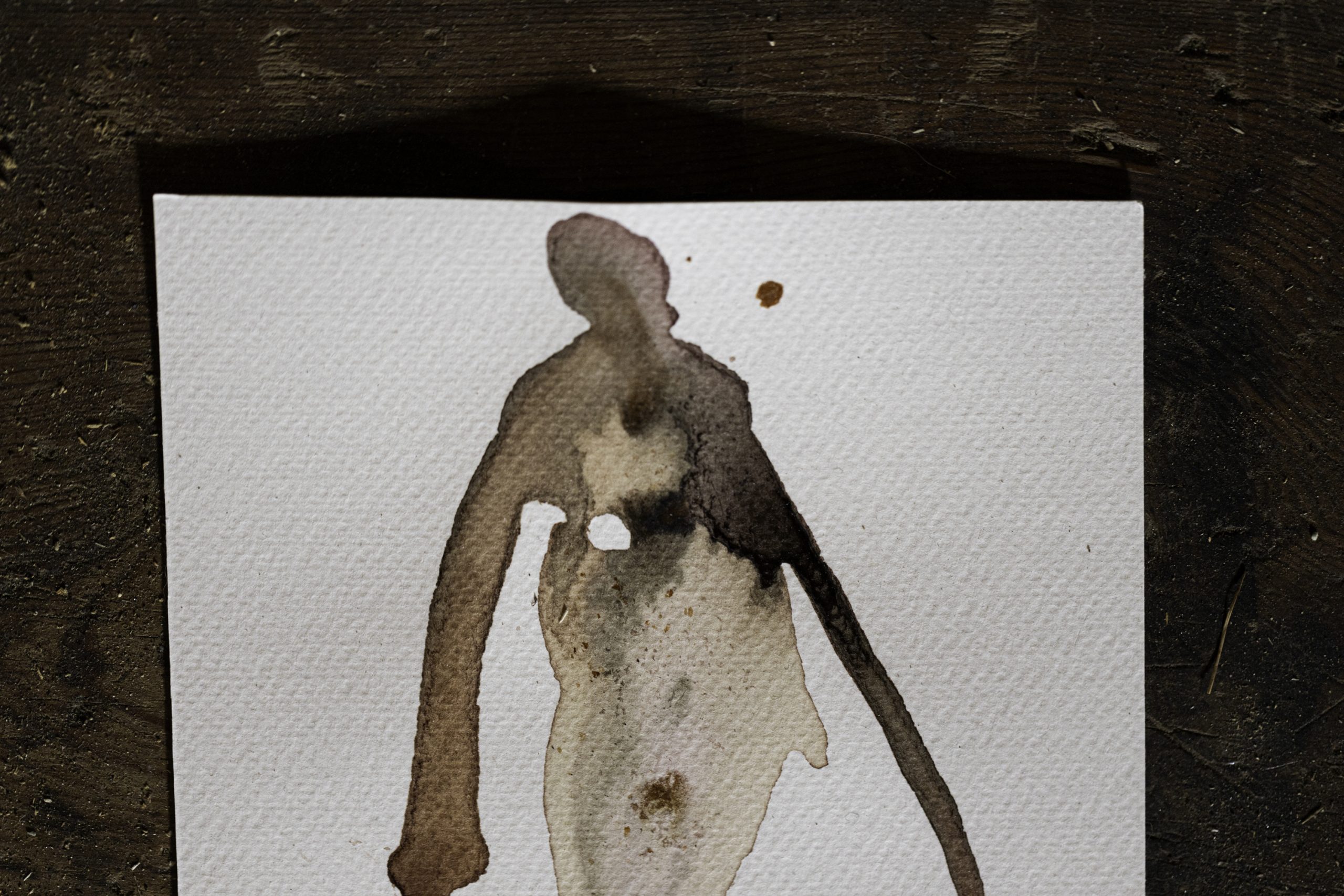
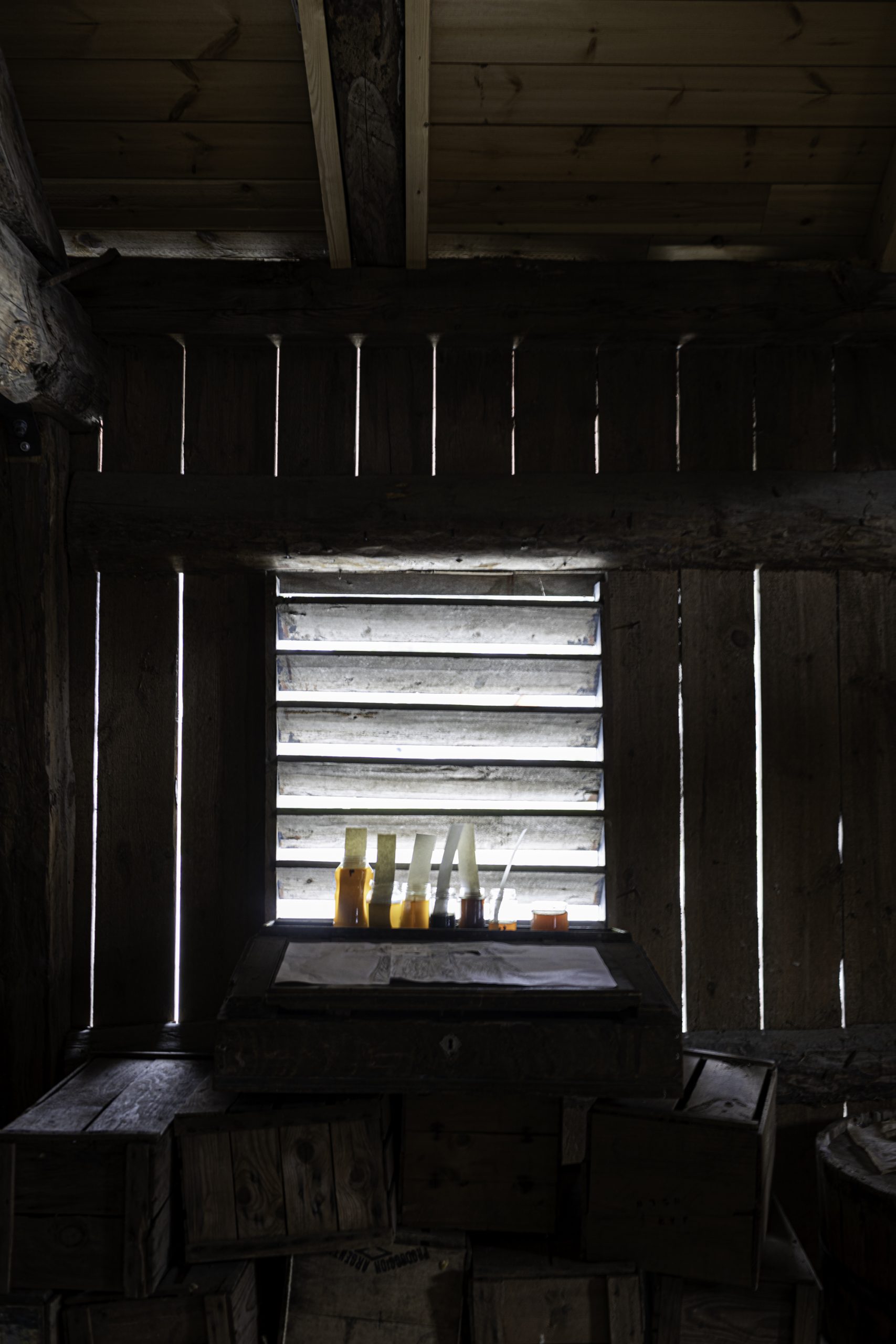
Philosopher Donna Haraway is known for encouraging humans to remain with the inconvenience and uncertainties that climate change evokes, since they are caused by humans themselves. In the introduction to her influential work Staying with the Trouble: Making Kin in the Chthulucene, she states that we cannot reverse the damage done to our environments, but that we must accept “…transformation by the very deed of inheriting,” and therefore learn to cherish this transformation.[2] Six coincidentally composed aquarelle drawings are laid out on a wooden workbench. Each is created with a different local plant ink, revealing six figures emerging from the mist, their tails moving beyond the frame, ready to morph into other shapes, creatures, gestures, or beings. The inks are made from cooked plants & vegetables; found seaweed, leftover onion skins, avocado pits, wandering apple tree branches, and wild nettles, allowing their colours to remain alive and continue transforming over time.
IV. it tastes like sugar
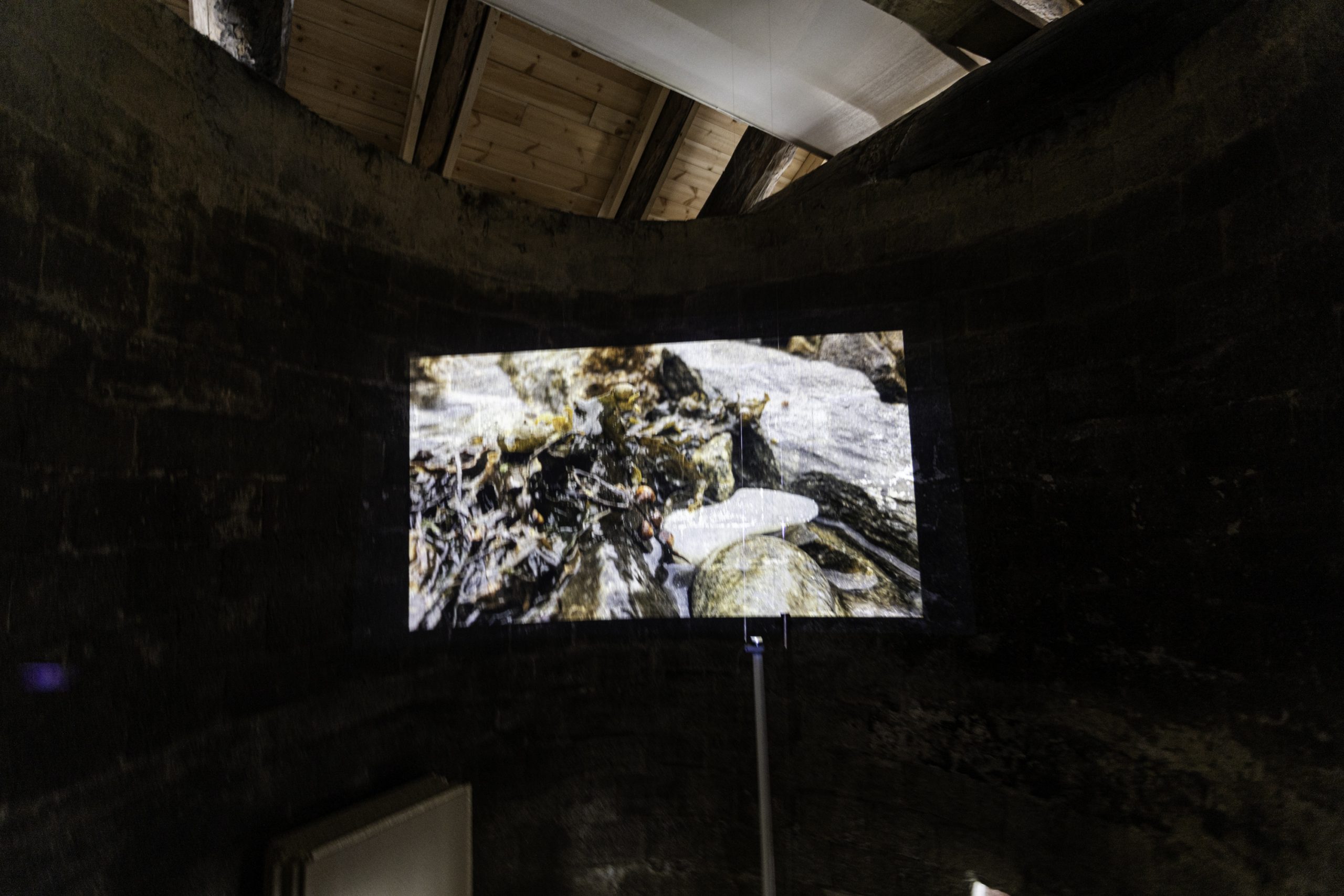
video, 19:19 (2026)
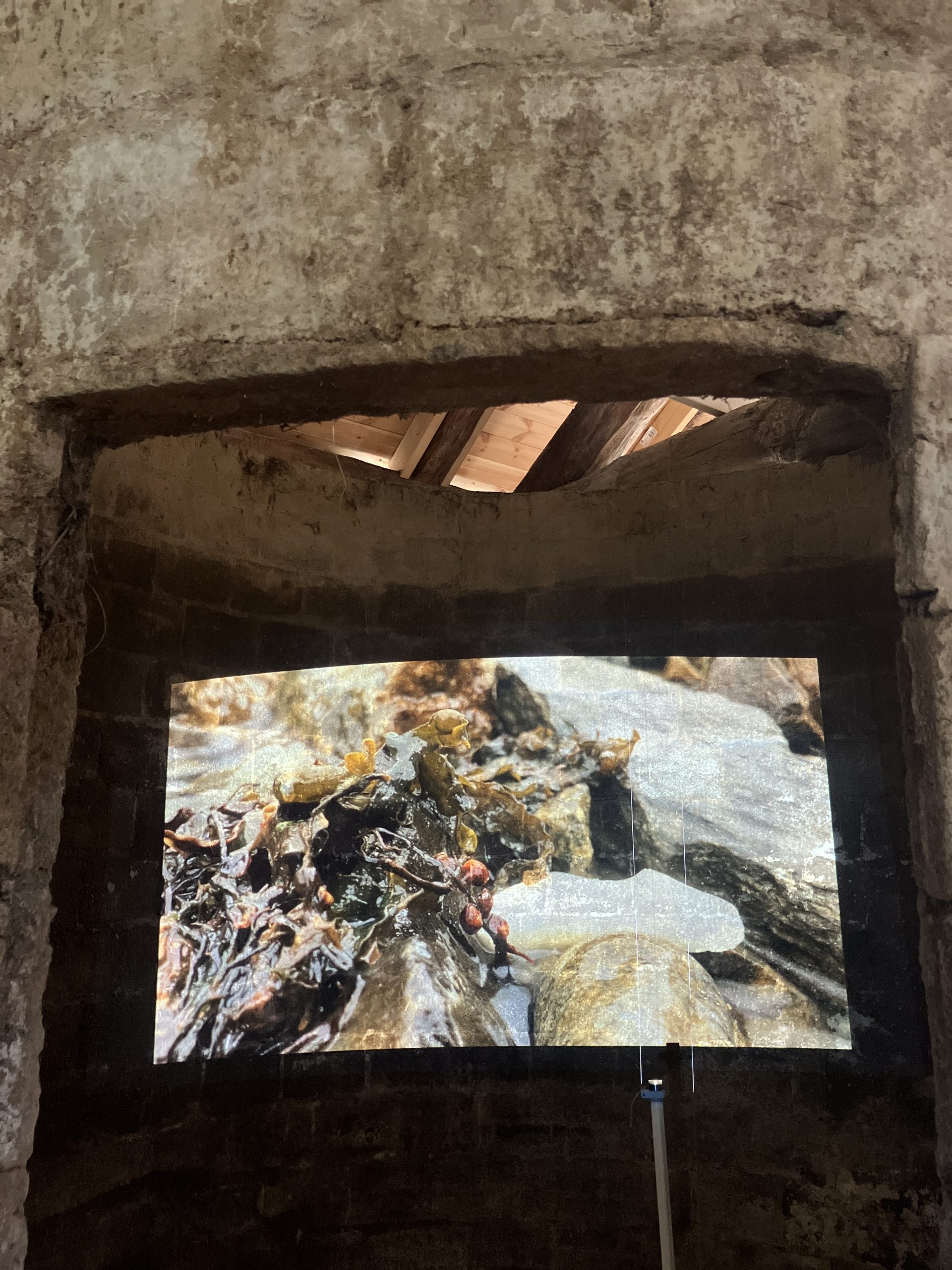
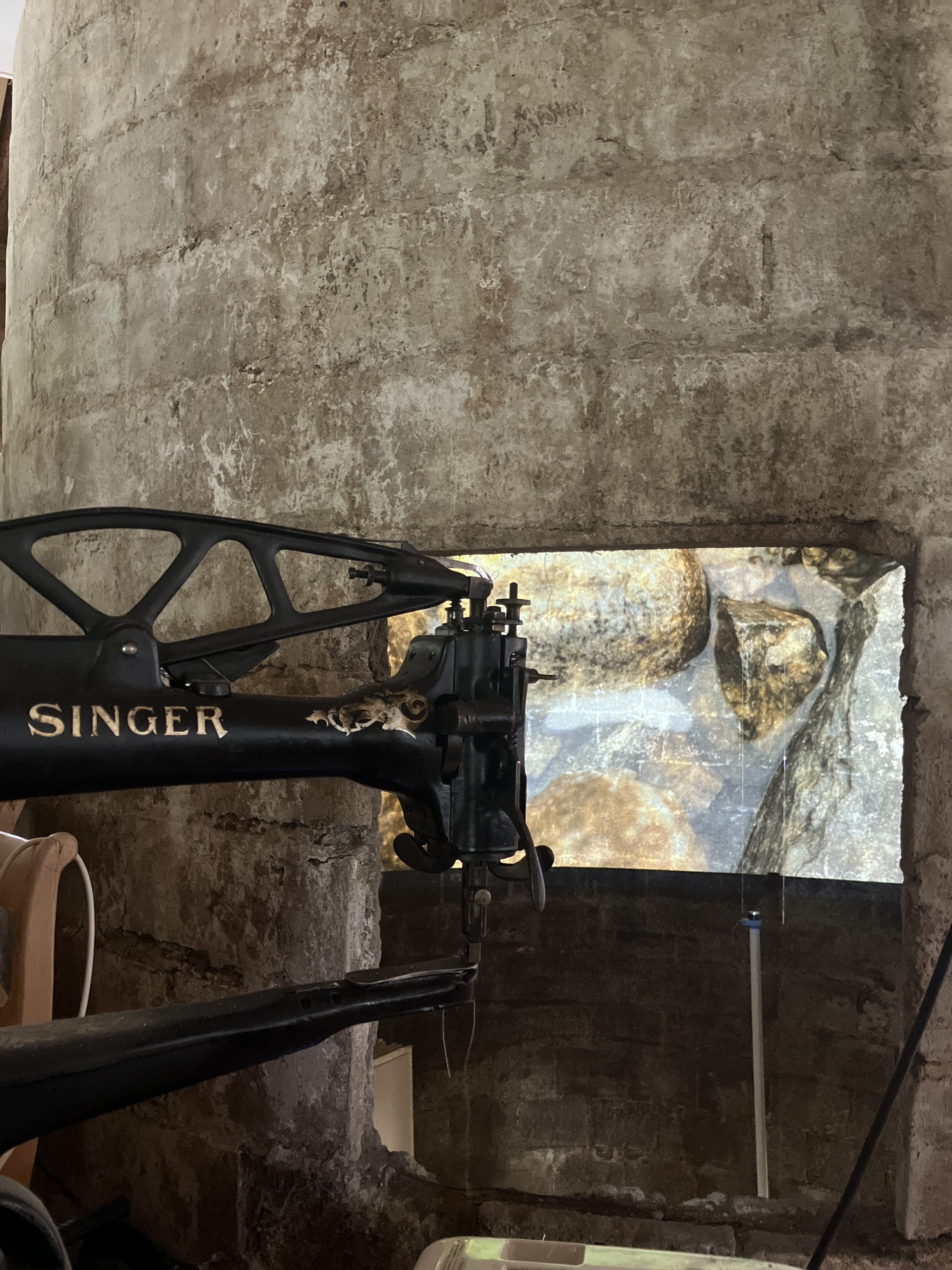
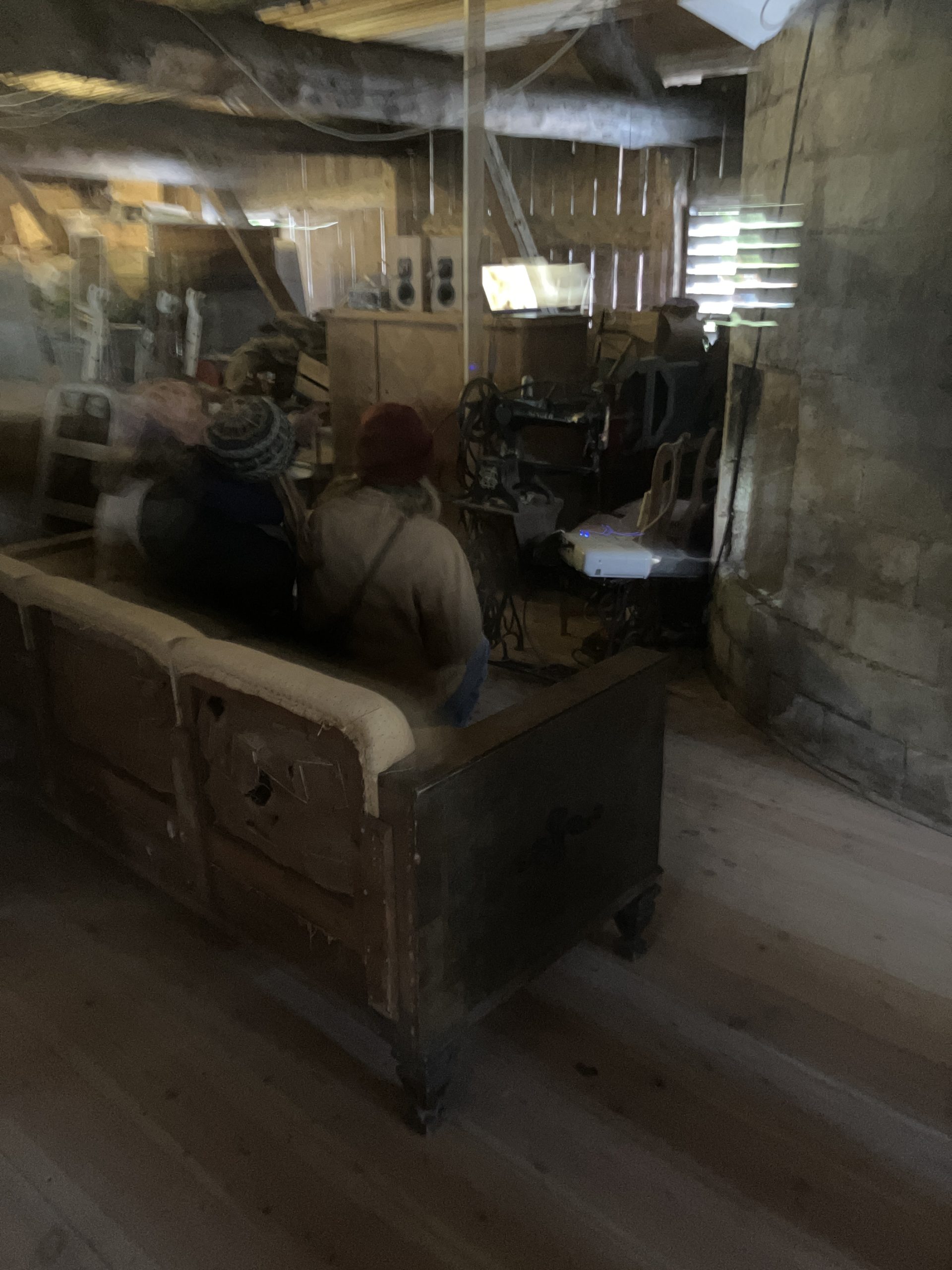
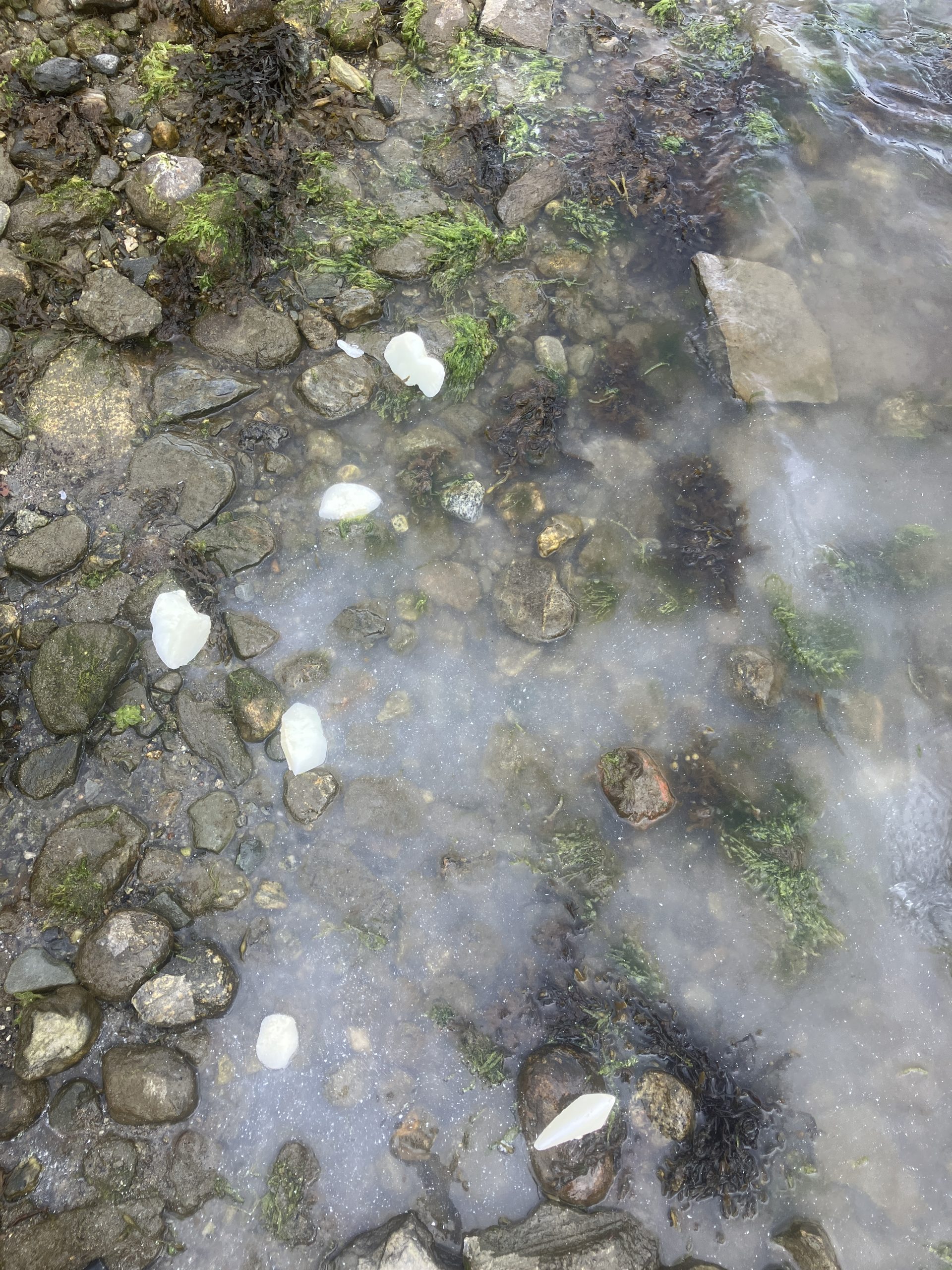
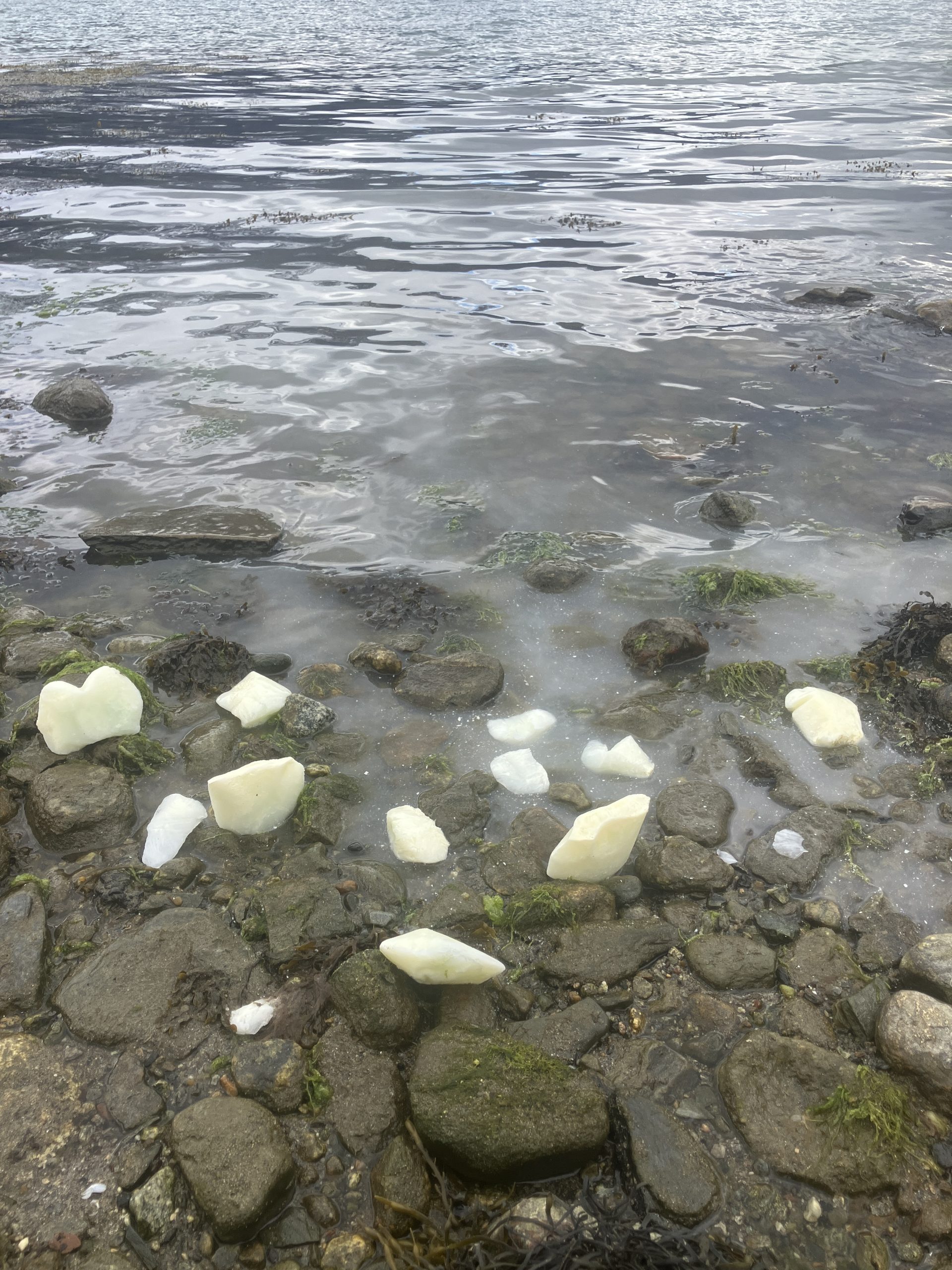
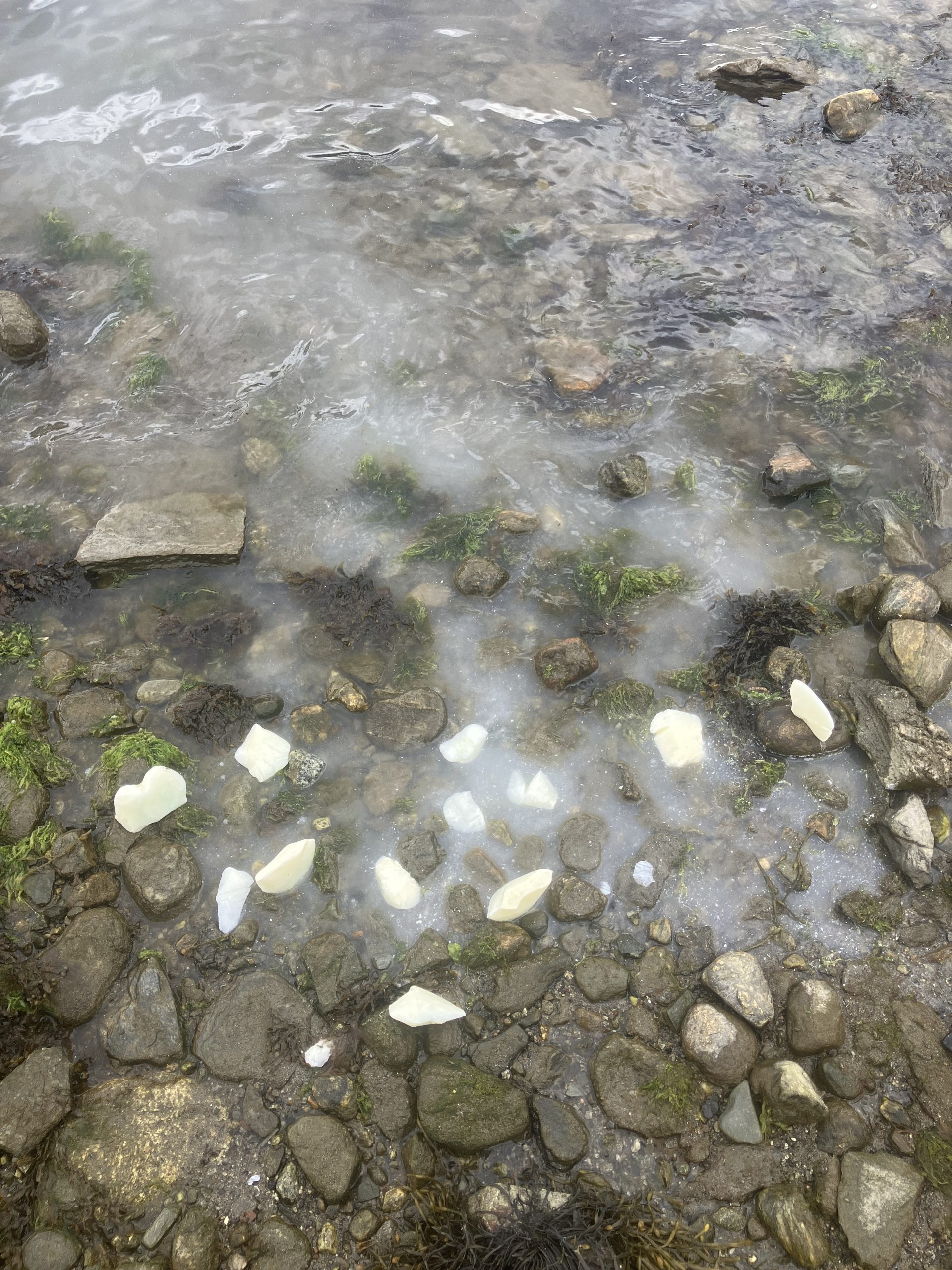
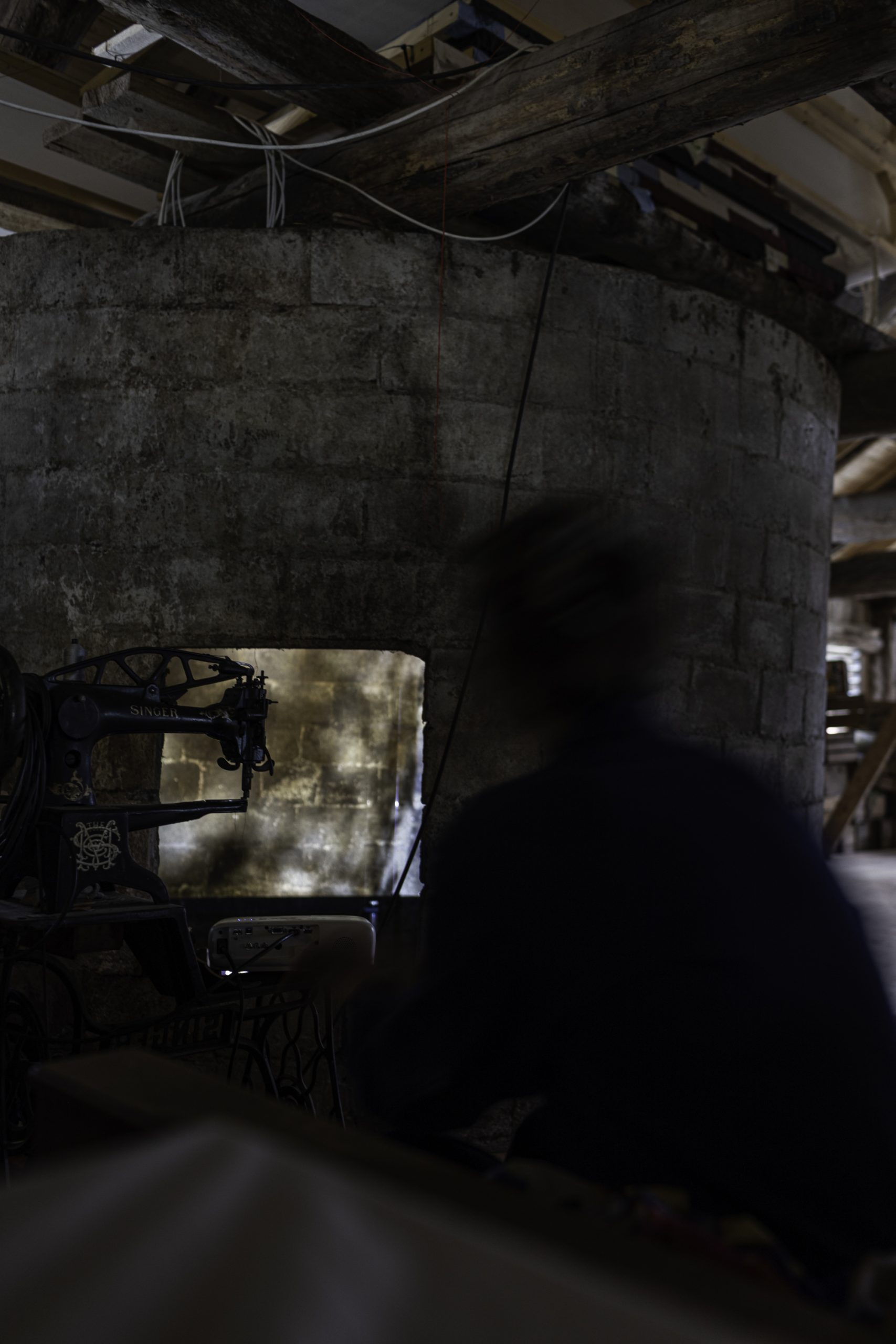
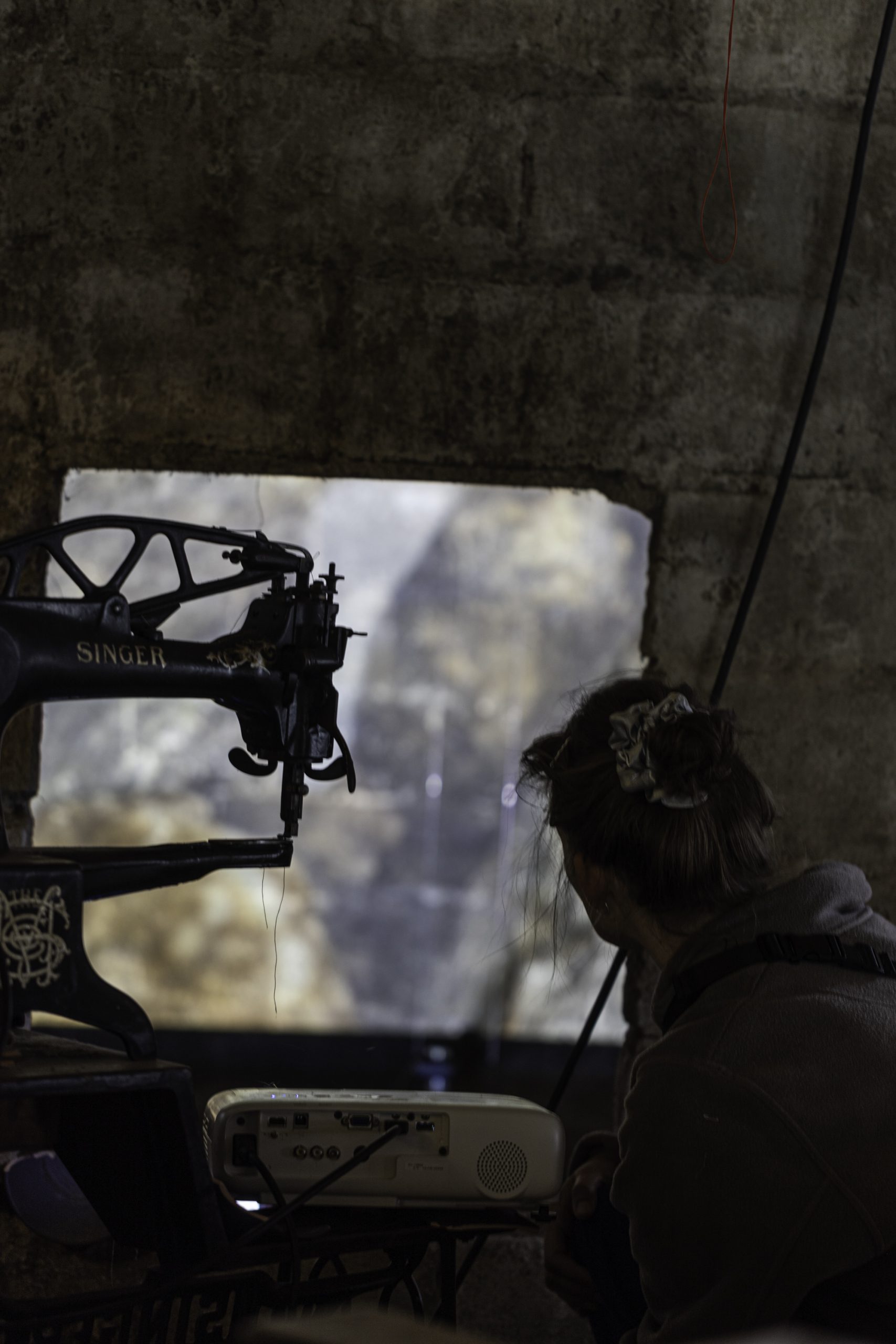
The kelp forests of the Norwegian fjords are known as nurseries for young fish that attract larger fish. With global warming, glaciers release increasing amounts of fresh meltwater, disrupting this precarious ecosystem. In art history, 19th-century royal nursery scenes in the Romantic era often depict prints in which countless men gather around a canopy bed. In these depictions, the newborn baby is carried by the high-ranking father, proudly displaying his heir to the solely male guests surrounding the birthing bed. Although the postpartum period is a vulnerable time for both mother and child, the men stand prominently in the foreground; between their silhouettes, the viewer catches only a glimpse of the mother lying in bed after giving birth.[3] During her residency, Frowijn pumped breast milk four times a day for ten days in a row, amounting to approximately six litres of frozen milk, in order to maintain production for her nine-month-old baby at home upon her return. In this film, opaque stones of frozen milk drift and dissolve into the ice-cold fjord water. The video draws a parallel between both nurseries in and offshore, and poses the question: to what extent are we capable of letting go in order to preserve?
Viewing on request.
V. & VI. Tweed Weeds
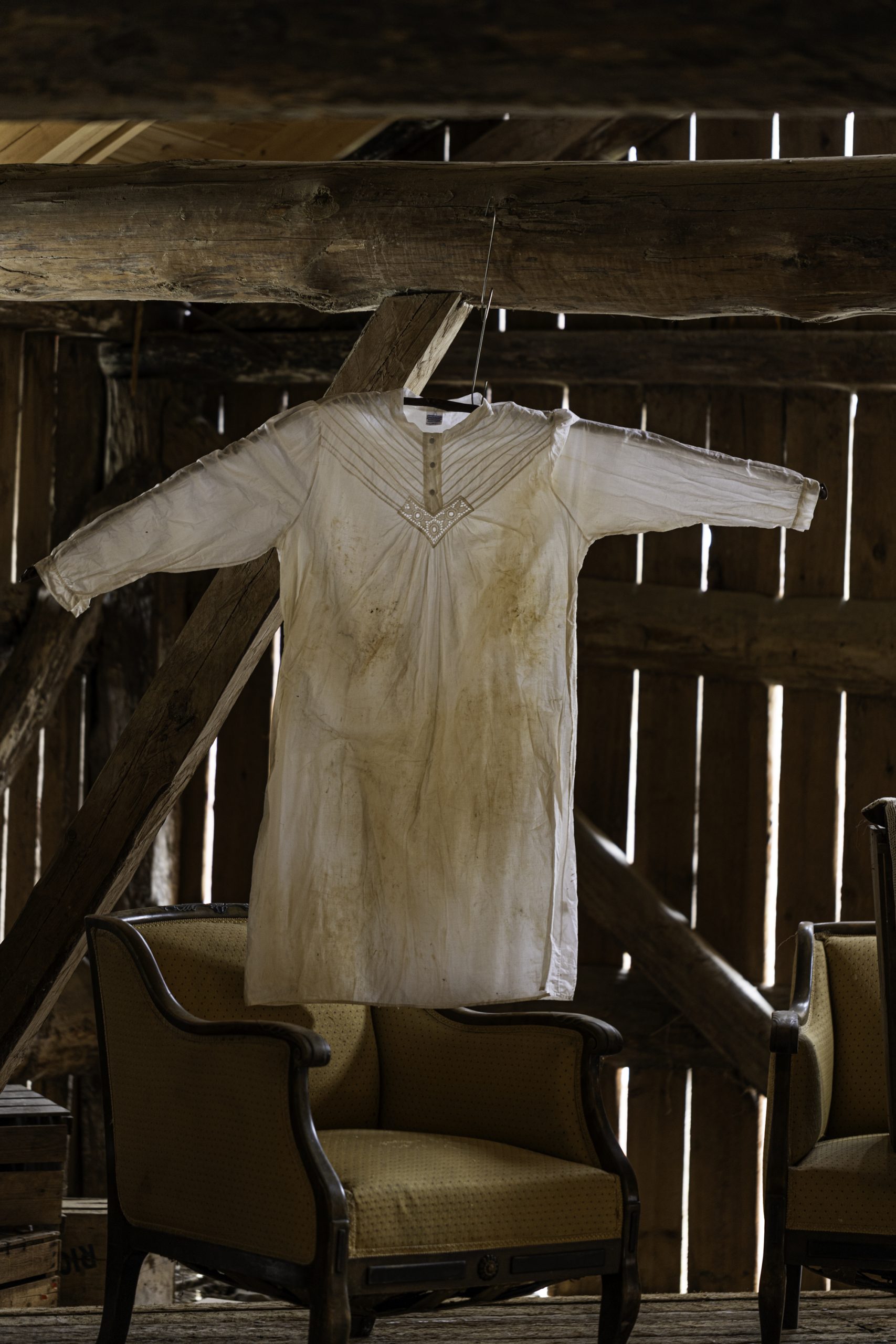
soundscape with textile harnesses & plant-dyed night gowns (2026)
An accidental meeting with a Ukrainian man fishing on the shore of the Lustrafjord. He tells me how he wanted to fight, but they told him he was too old. He trades birds in Belgium and is now here in Norway. Waiting for news. Killing time. Meanwhile, his prey struggles on dry land. Once again, he casts out his fishing rod. Every day, he returns.
If the Huldra lives amongst us, would her clothing conceal her true being? In the mountains behind Luster stands the former tuberculosis sanatorium Harastølen, which later became a psychiatric hospital between 1959 and 1991, and then an asylum seeker centre in the early 1990s for refugees from Bosnia and Herzegovina. Since its closure, the site has been purchased by various investors and is supposedly being transformed into a hotel. The remains of the monumental buildings, hidden behind the pine trees, reveal the miniature society it once was, complete with its own hydropower supply, aerial tramway, bakery, supermarket, cinema, church, library, and park. Treatments within the psychiatric hospital were controversial, as patients were restrained in beds or forced to wear straitjackets.
After its closure, artists climbed the mountain to retrieve objects from the hospital interiors for their artworks. Now, the remains are sealed off behind a fence. Renovations have stalled: a brilliant new roof shines on one side while collapsing on the other. Locals fear whitewashing, suspecting money laundering as the true renovation taking place. Abandoned and left alone, the walls of Harastølen will sooner or later be consumed by the lush greenery of Luster. Trees will grow through its cracks and windows. Eventually, the remains will be overgrown like weeds. Today, if you search for Luster in Google Maps, you find pictures of tourists visiting the sanatorium.
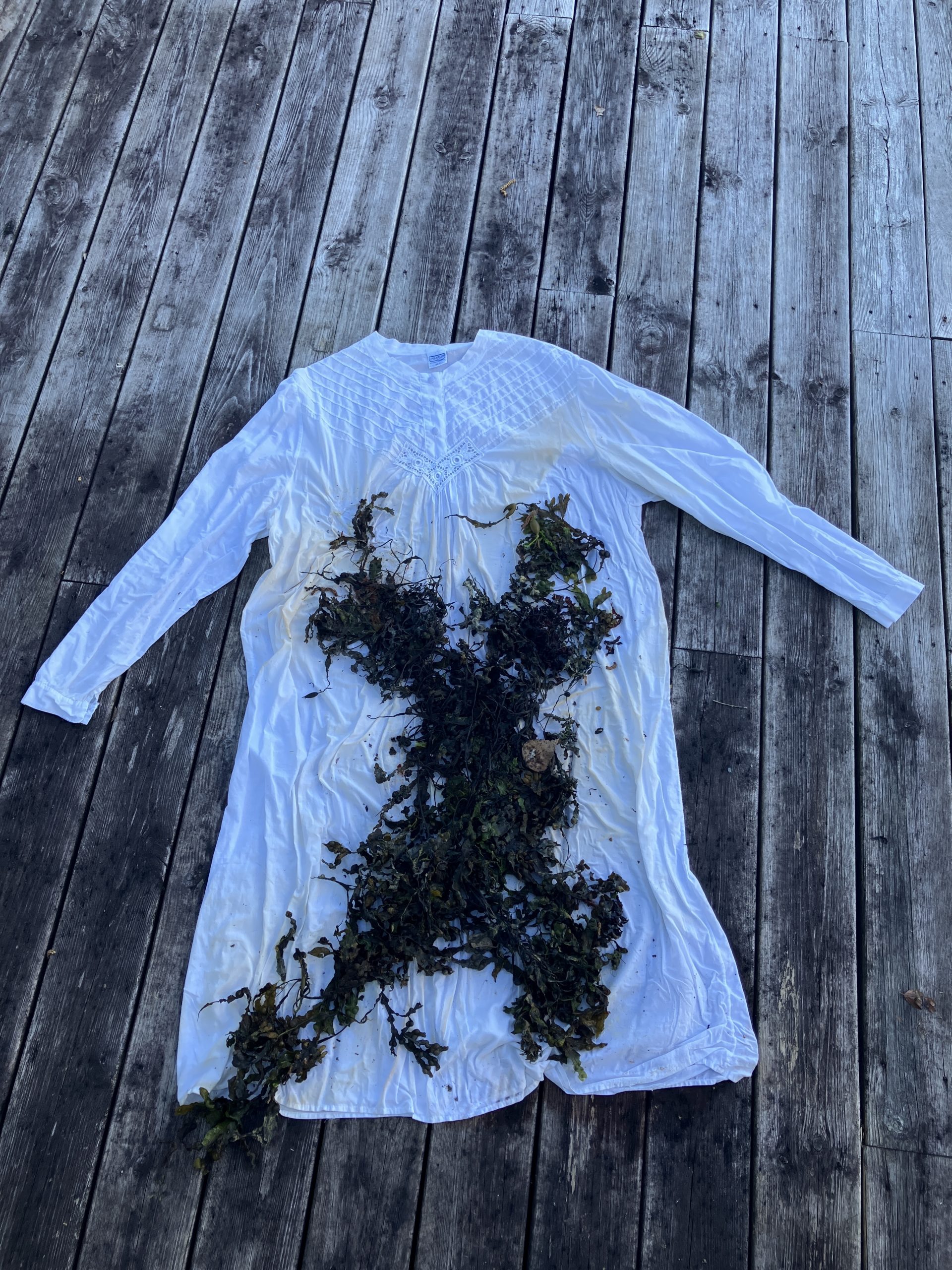
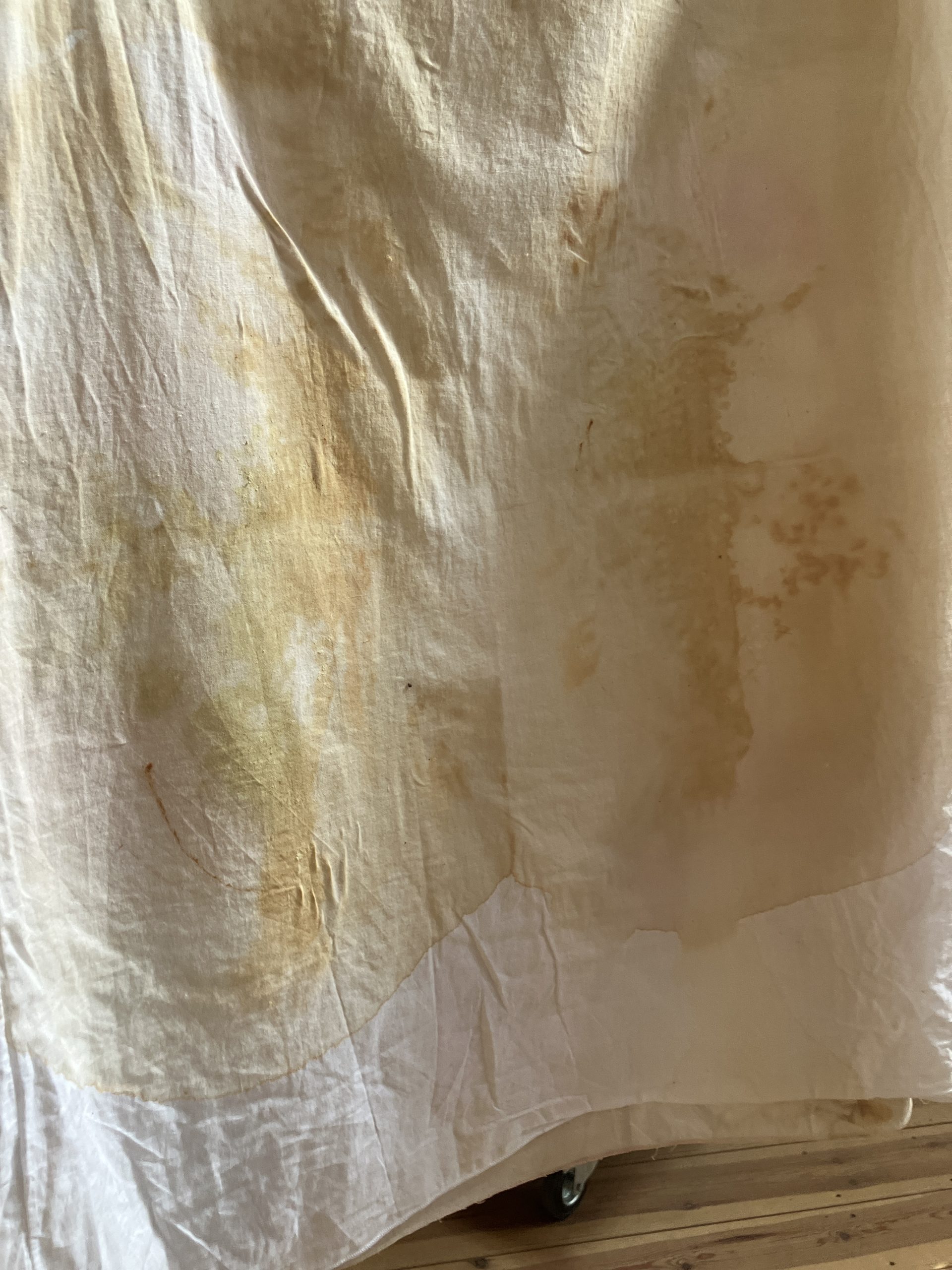
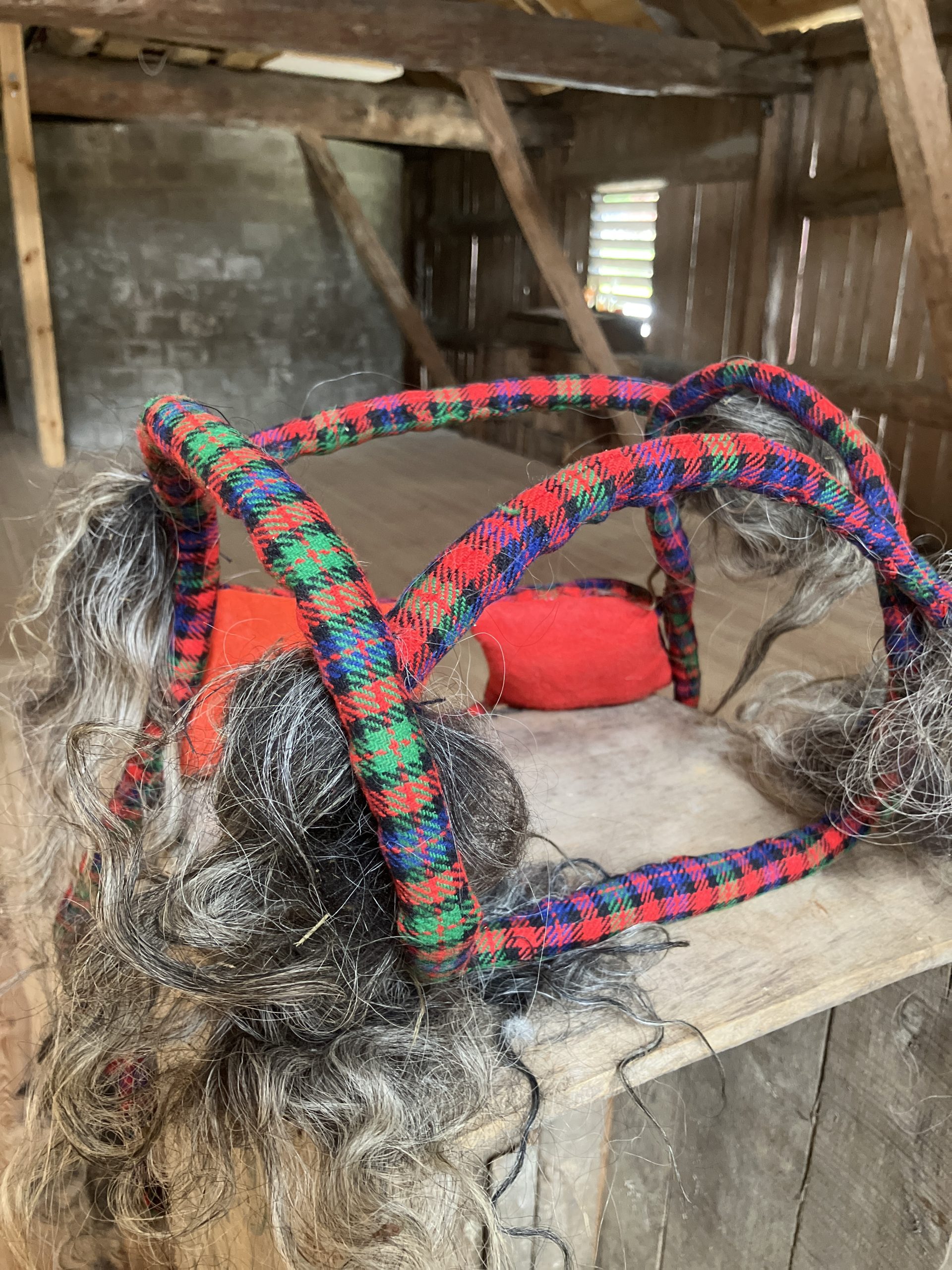
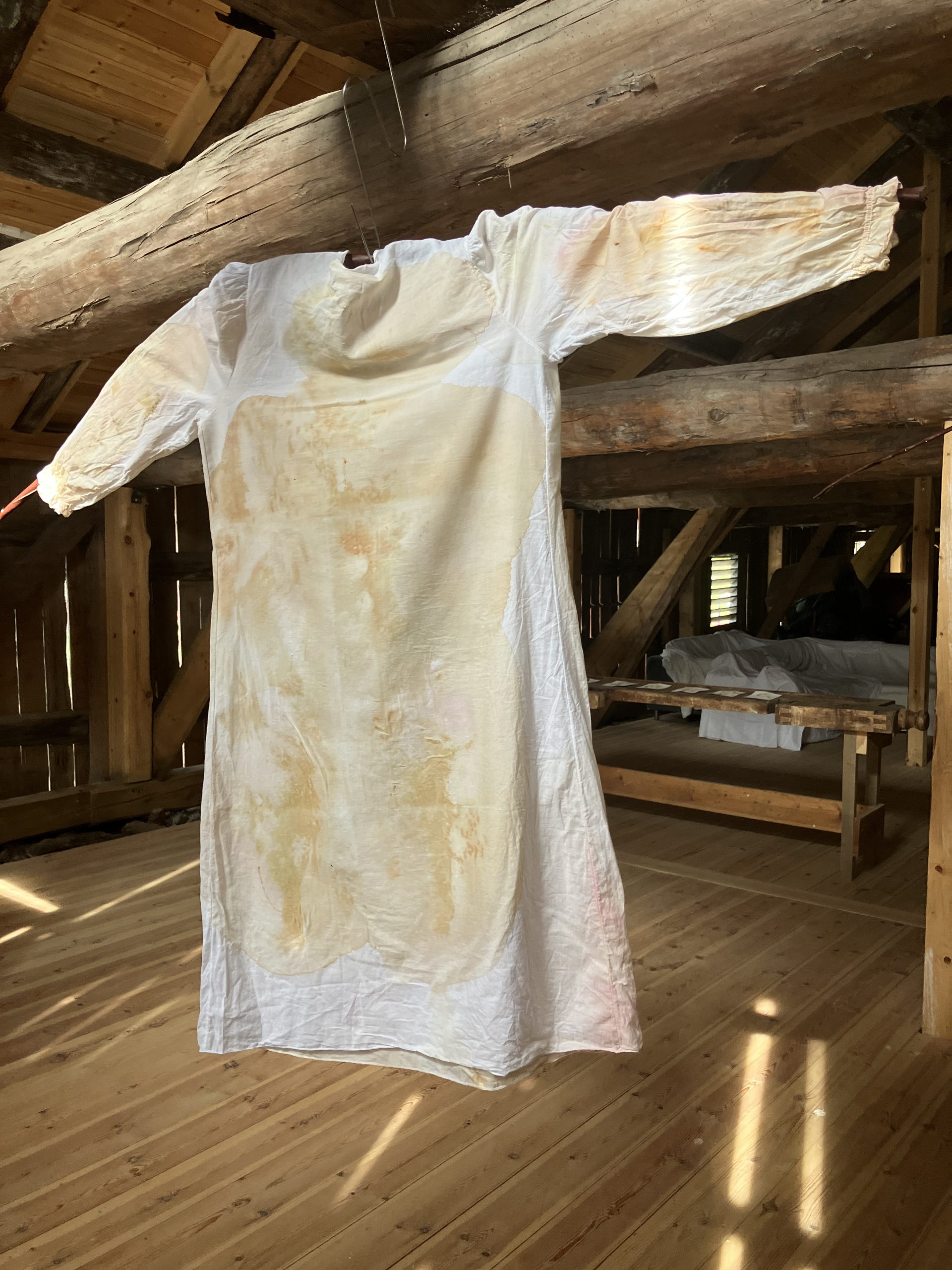
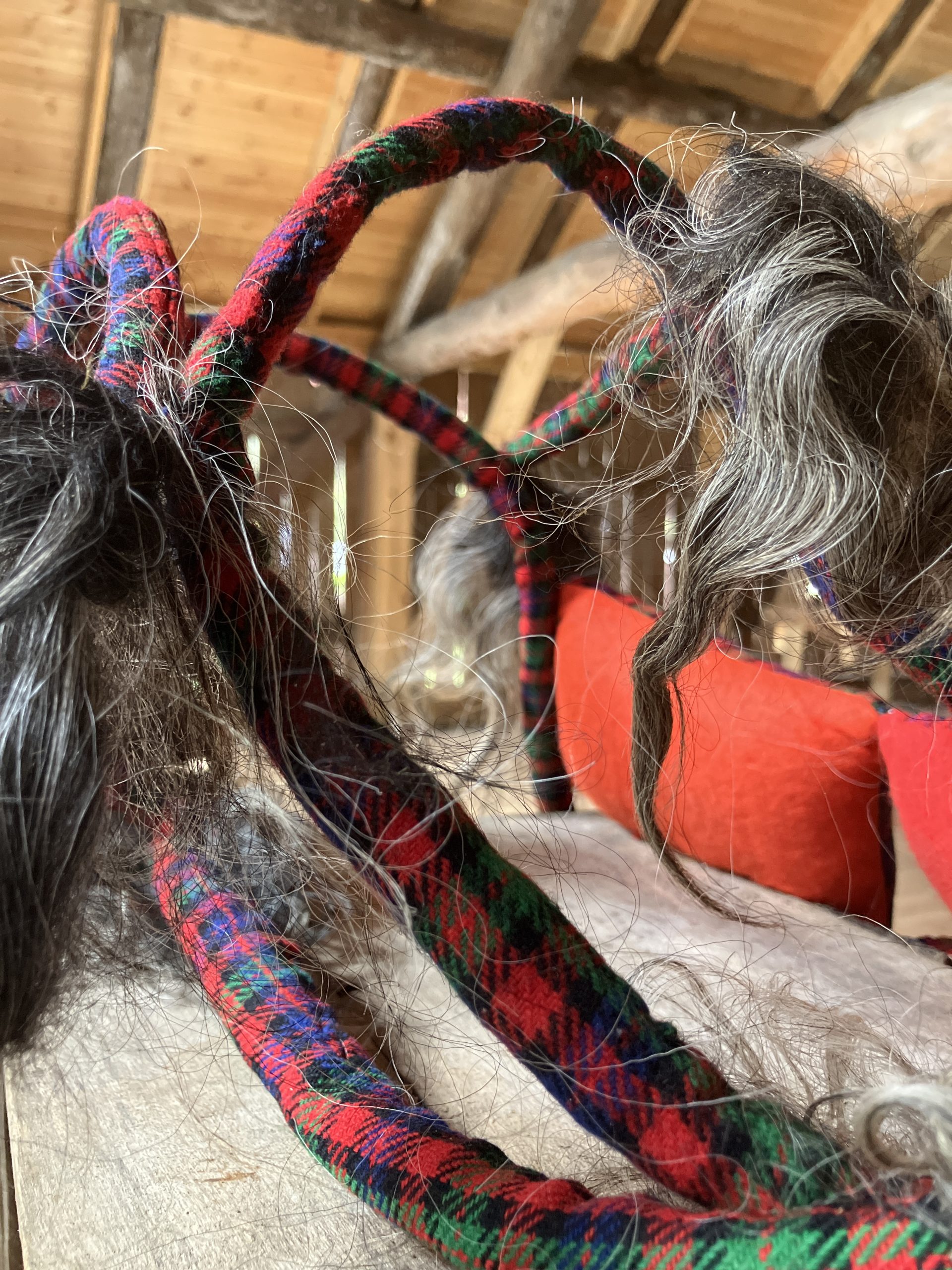
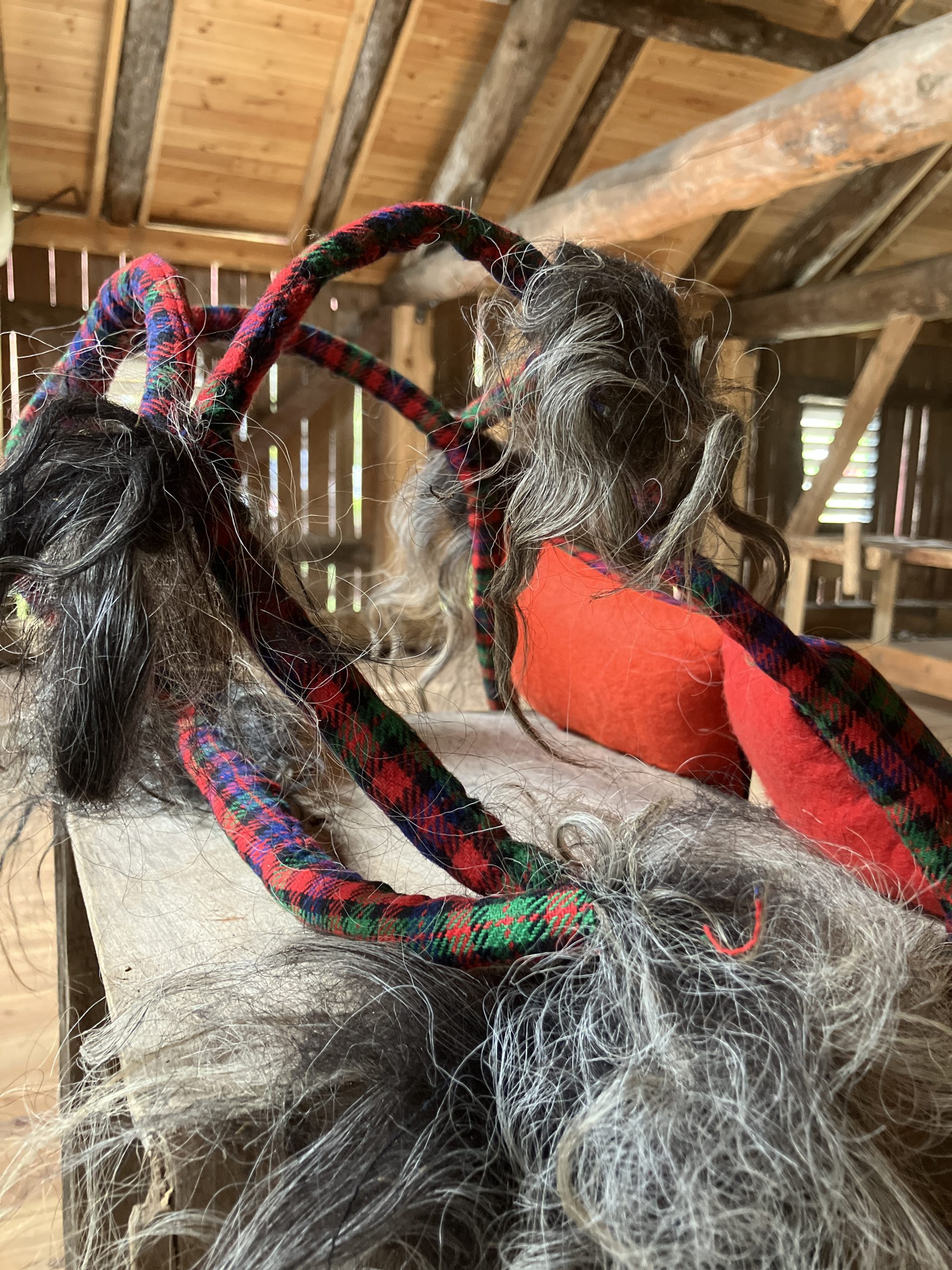
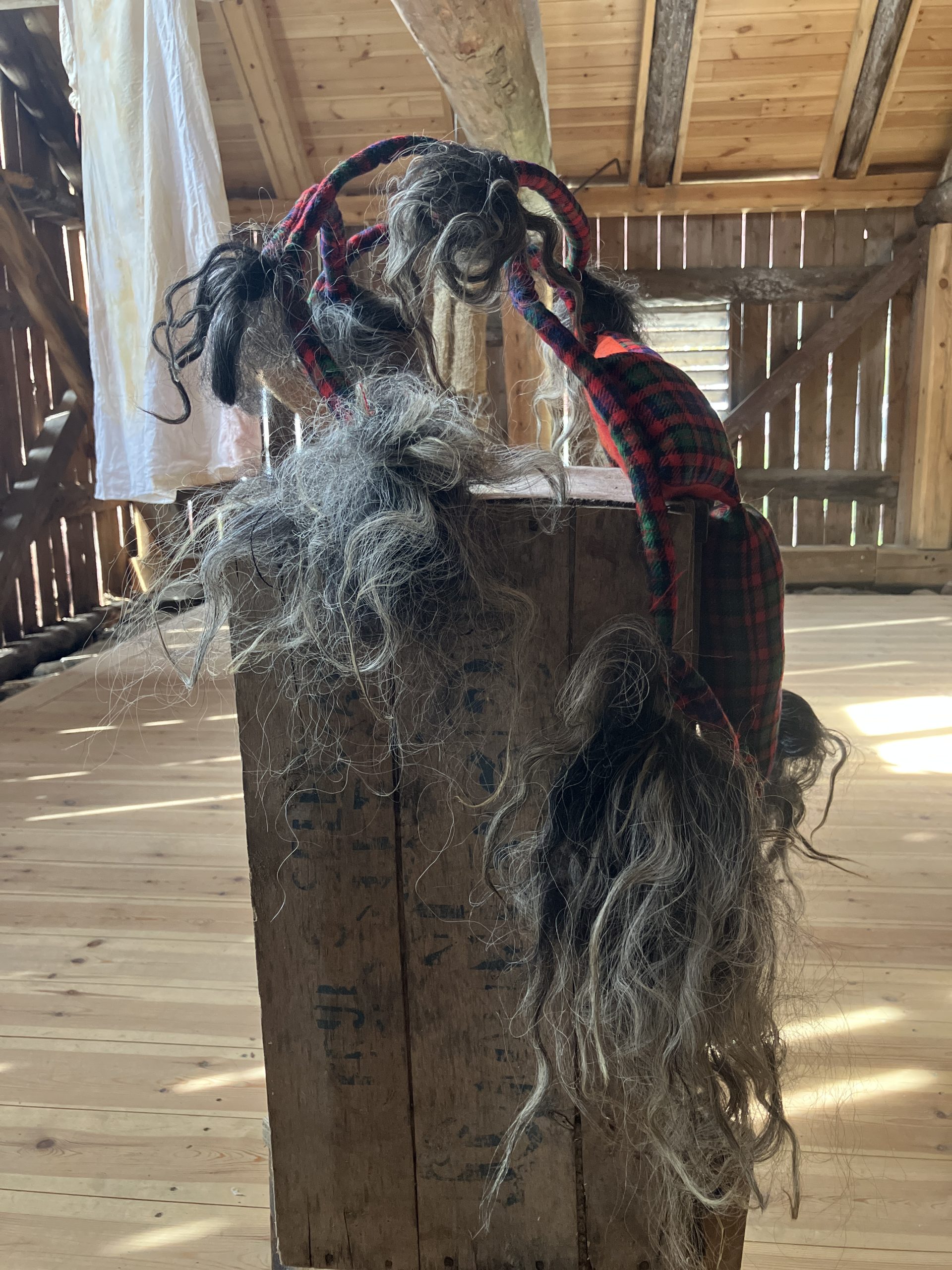
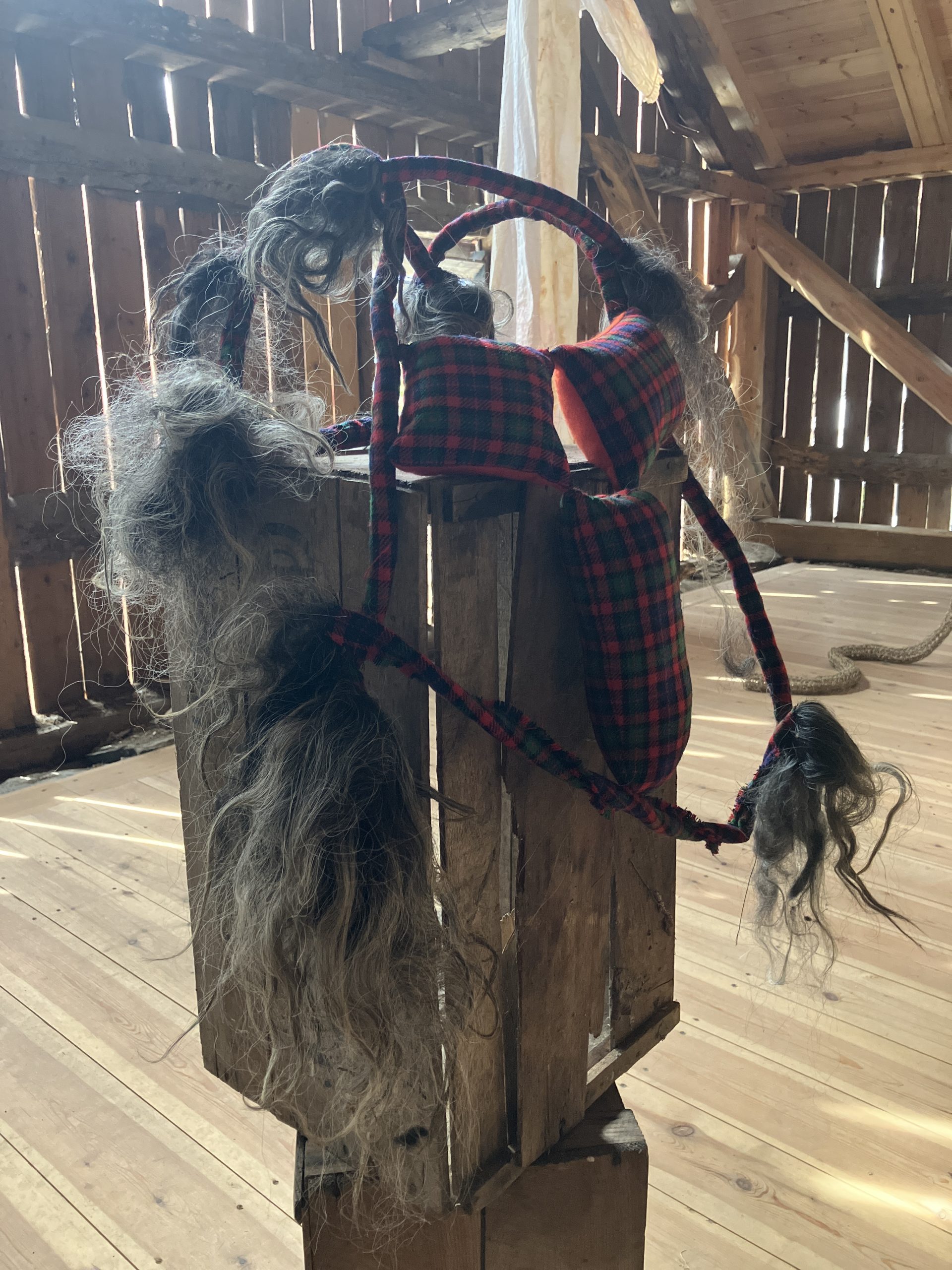
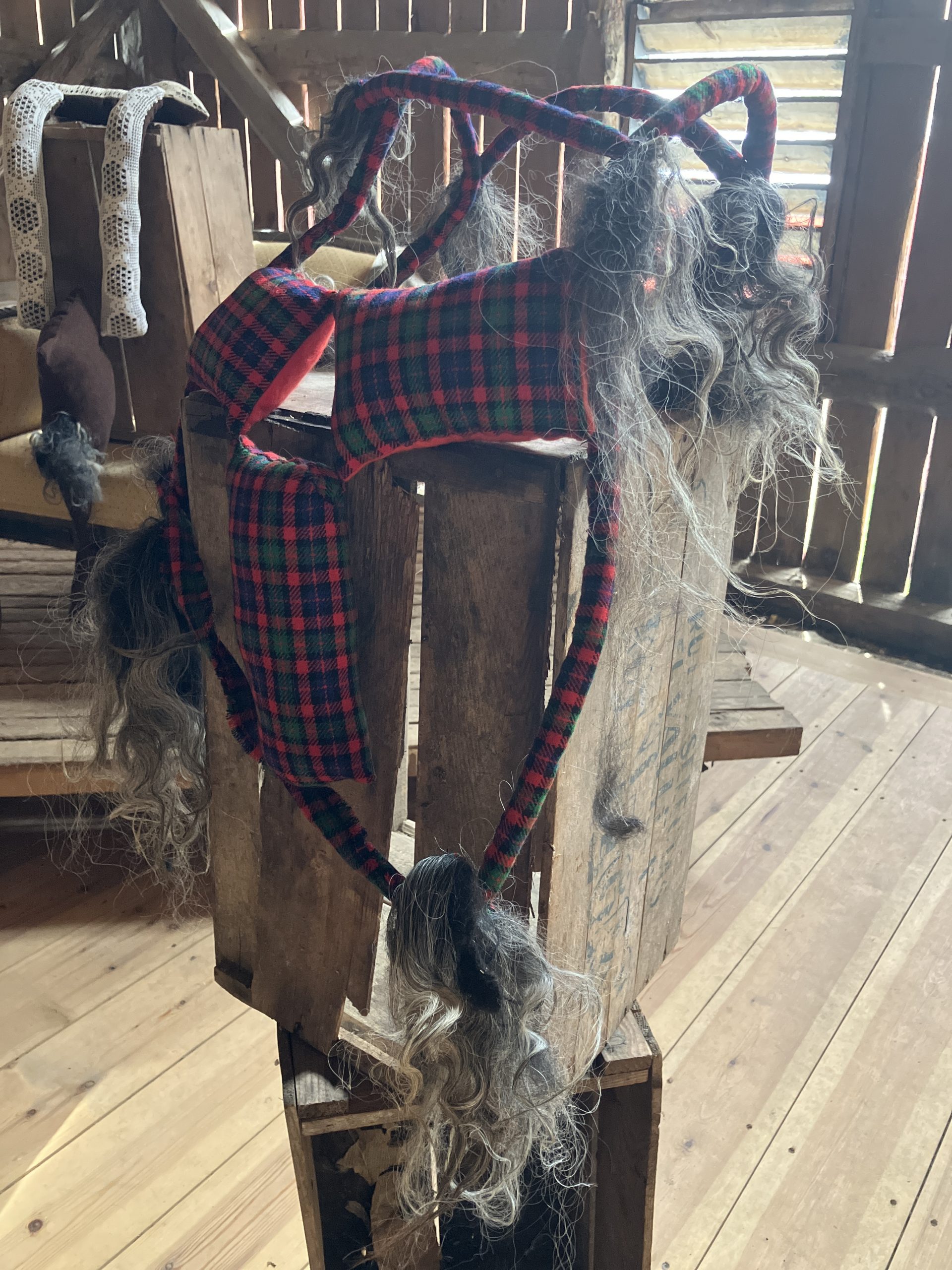
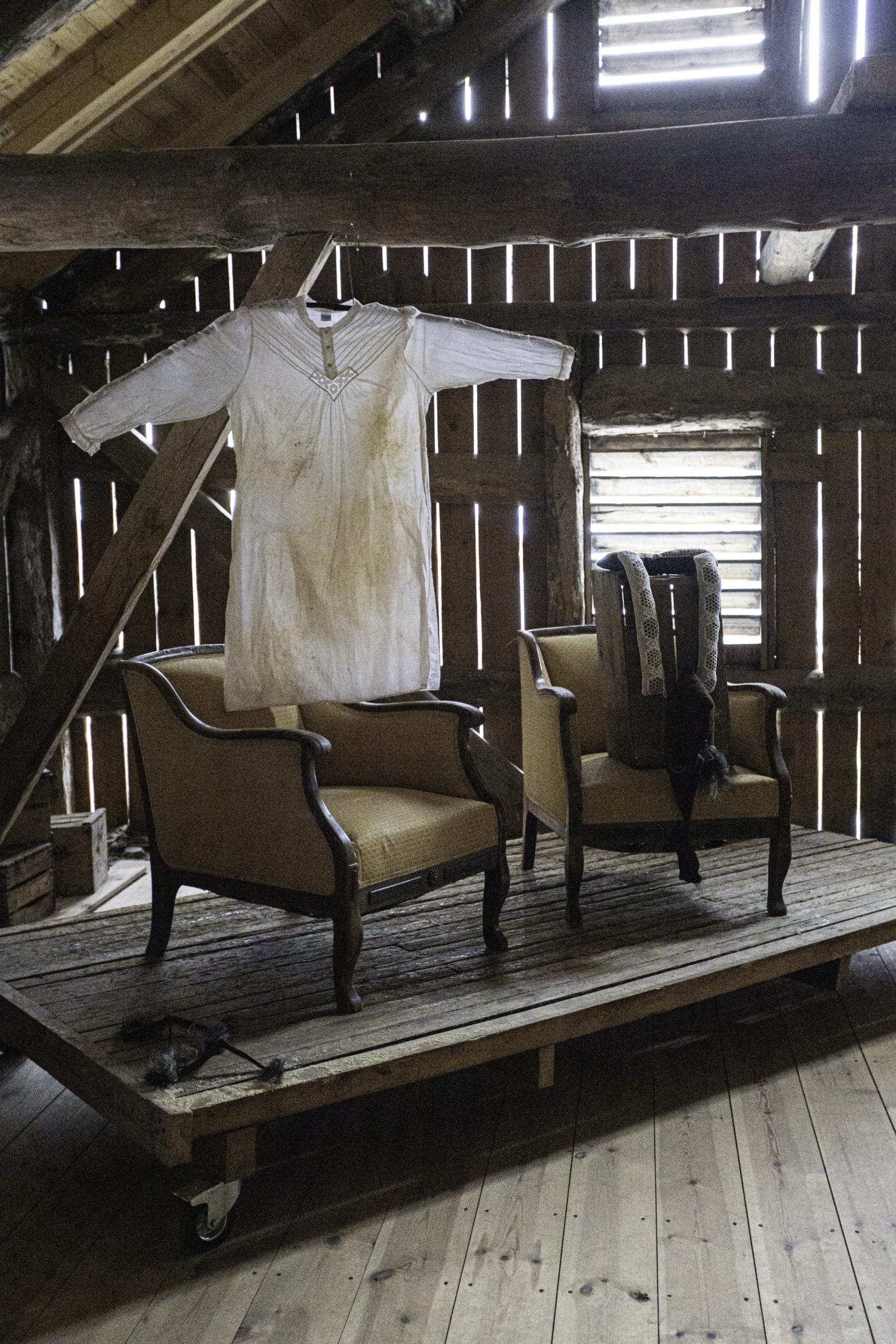
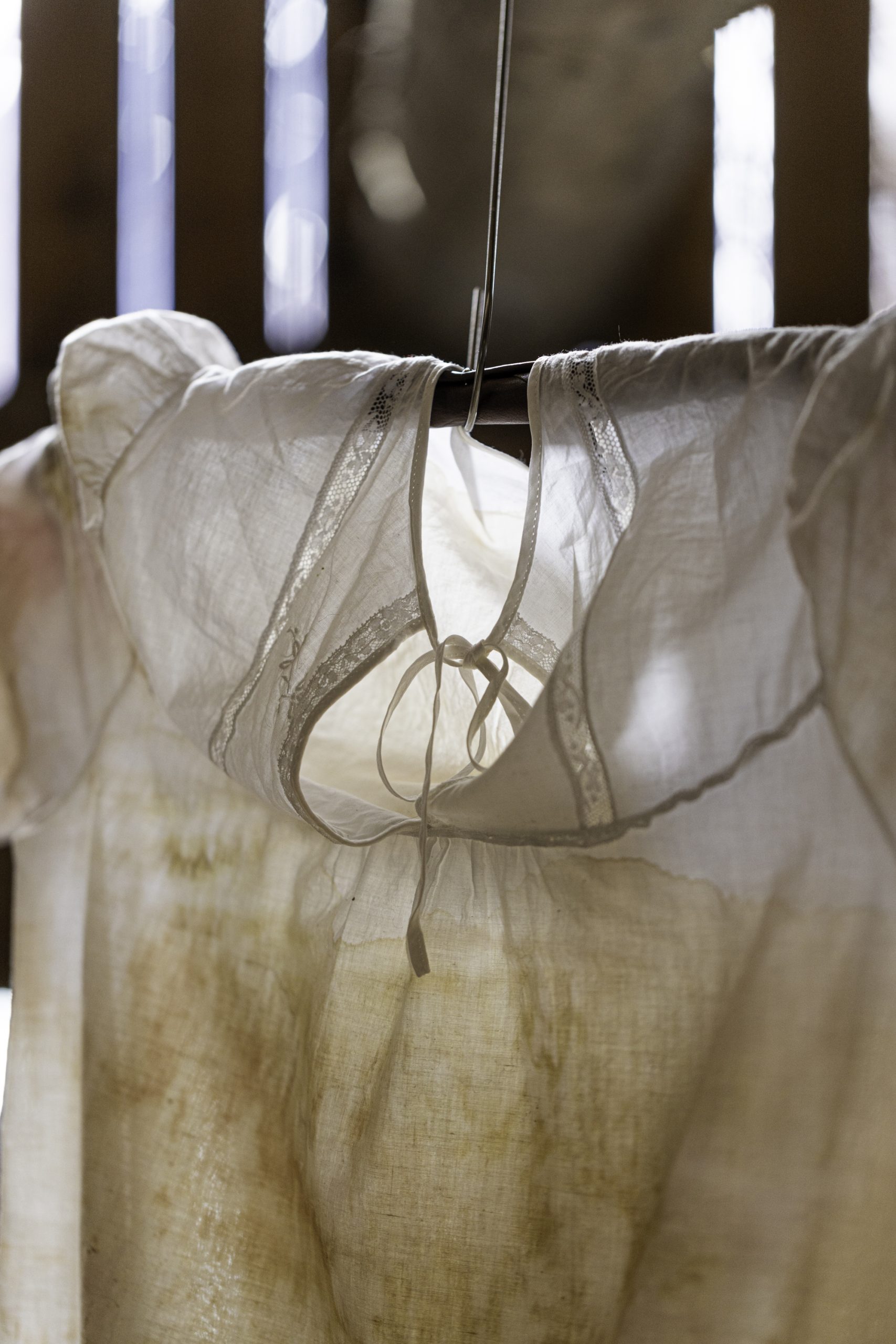
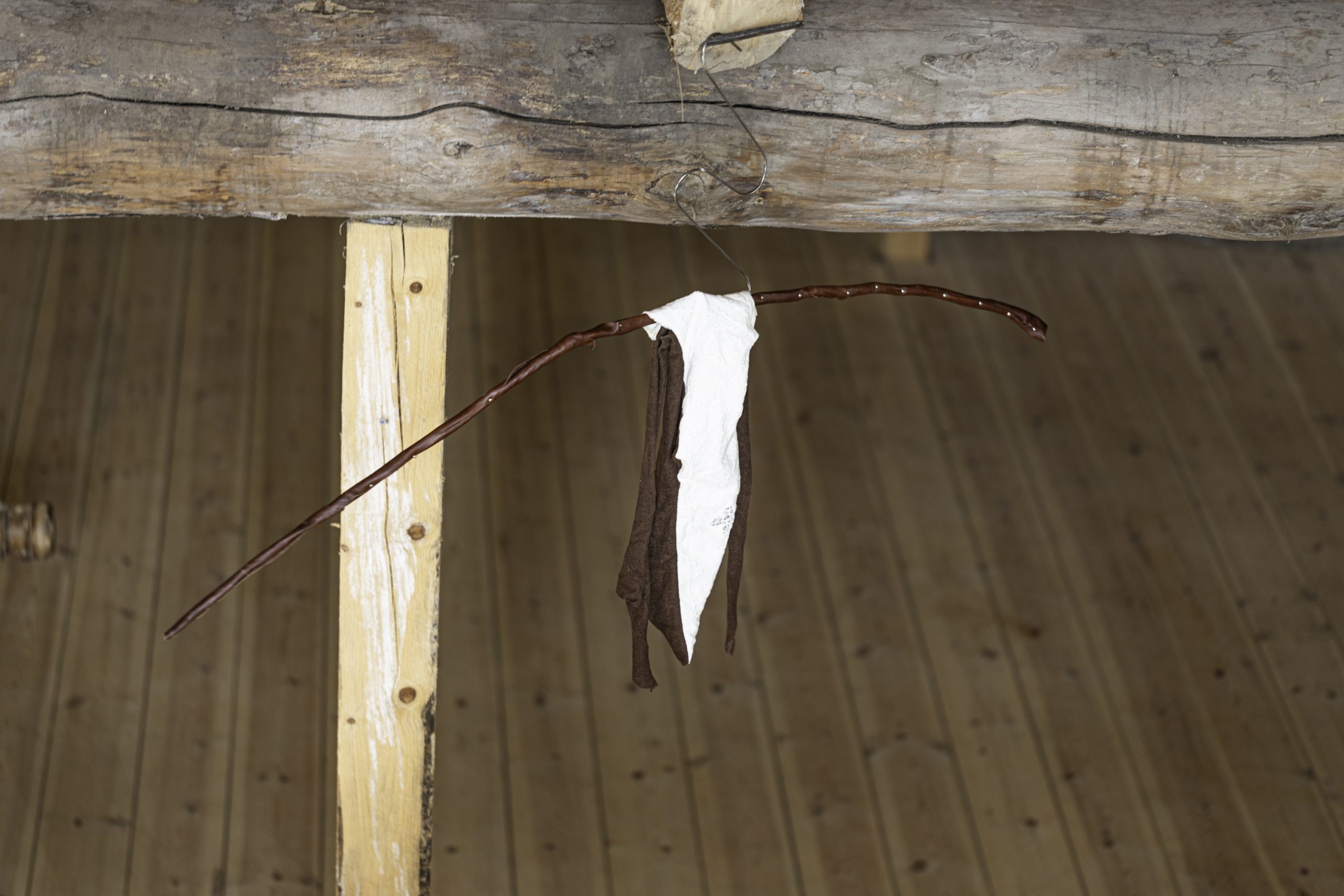
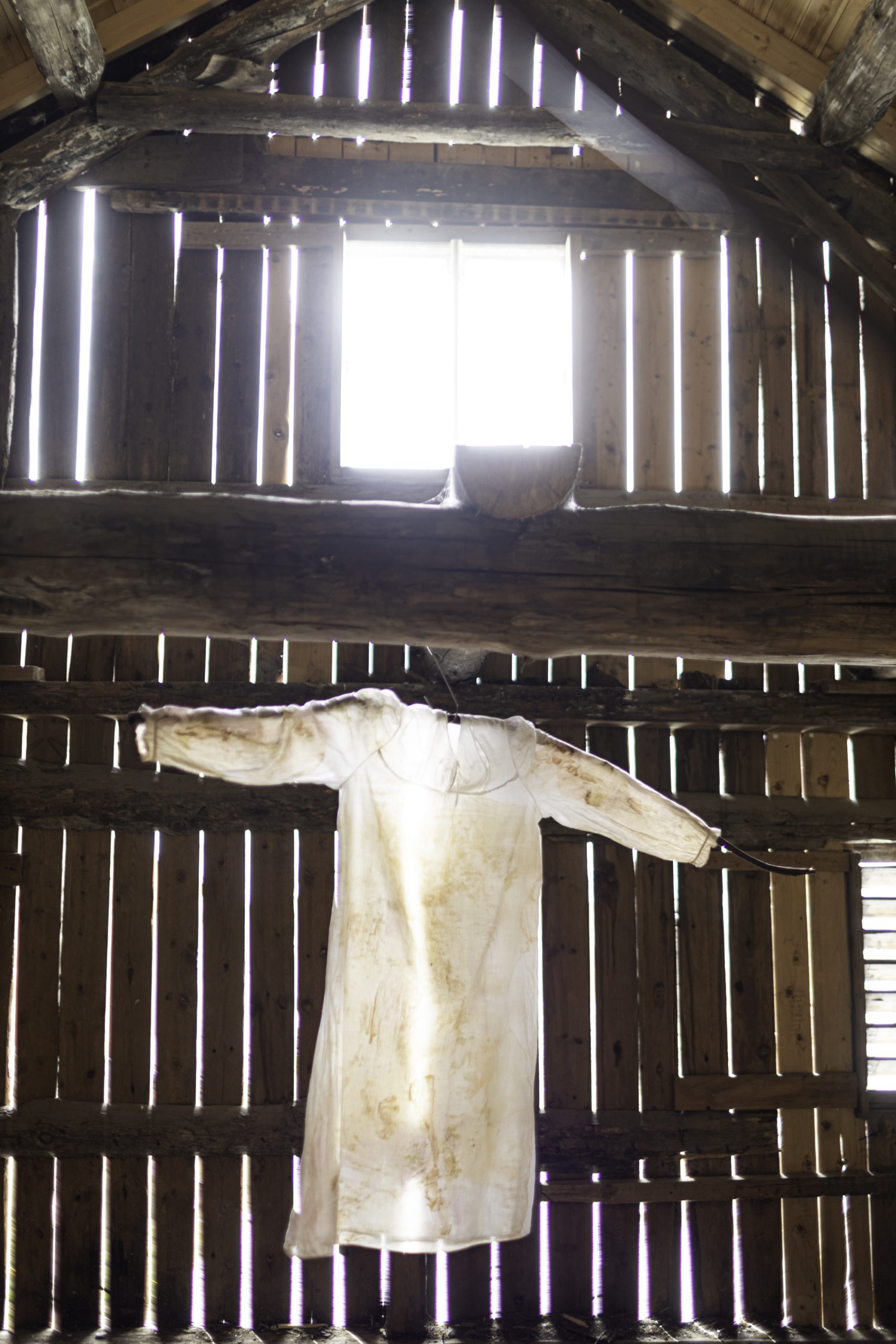
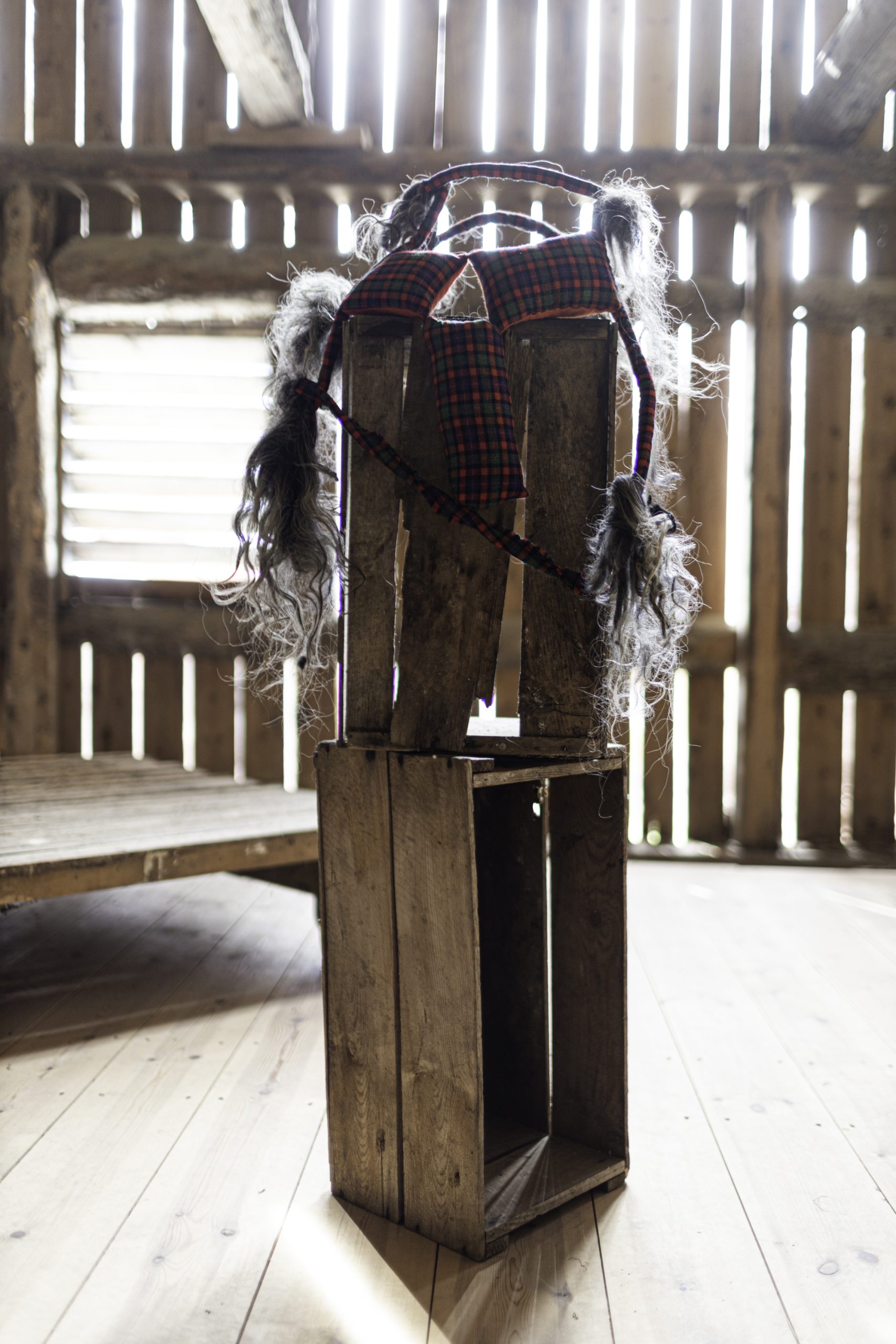
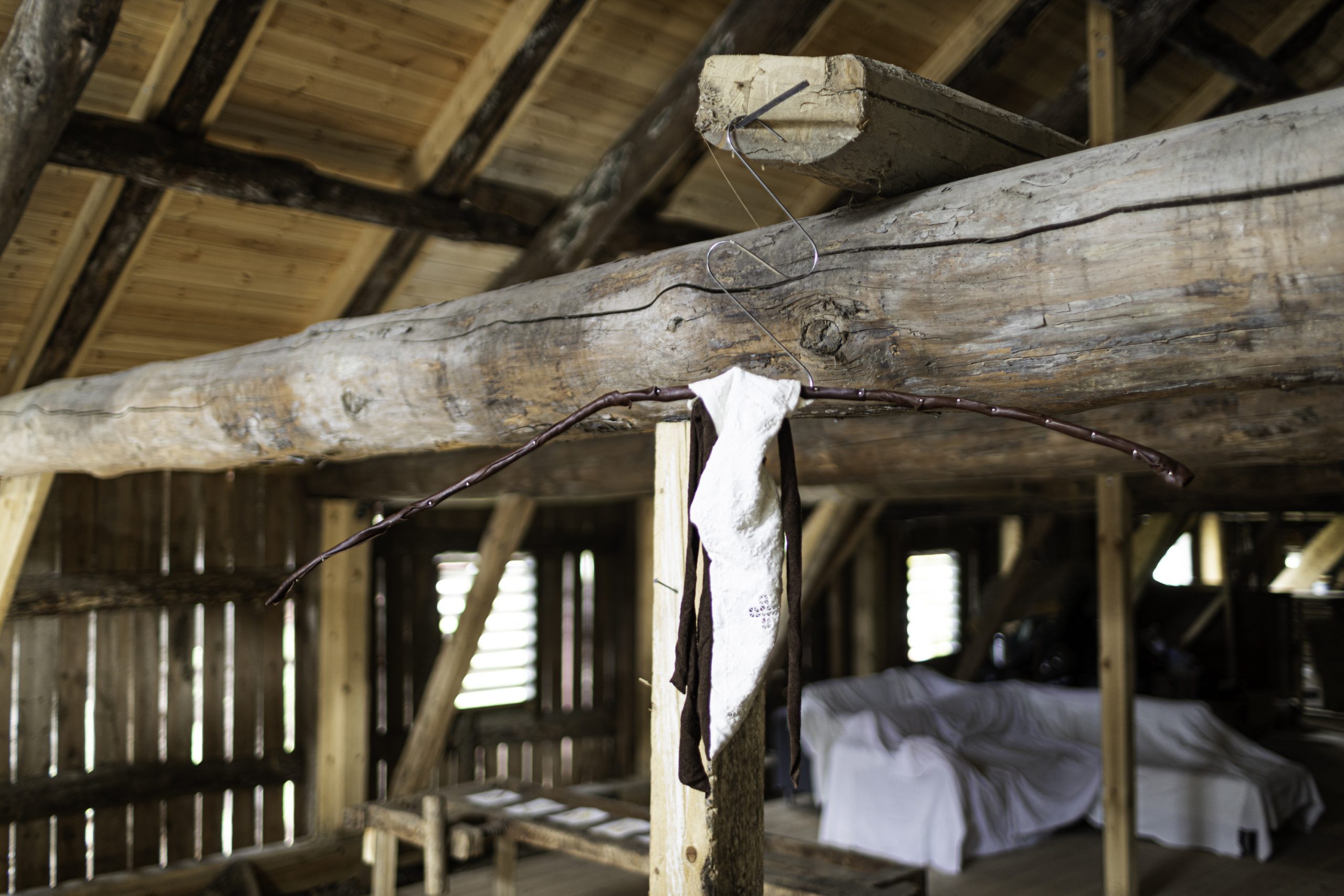
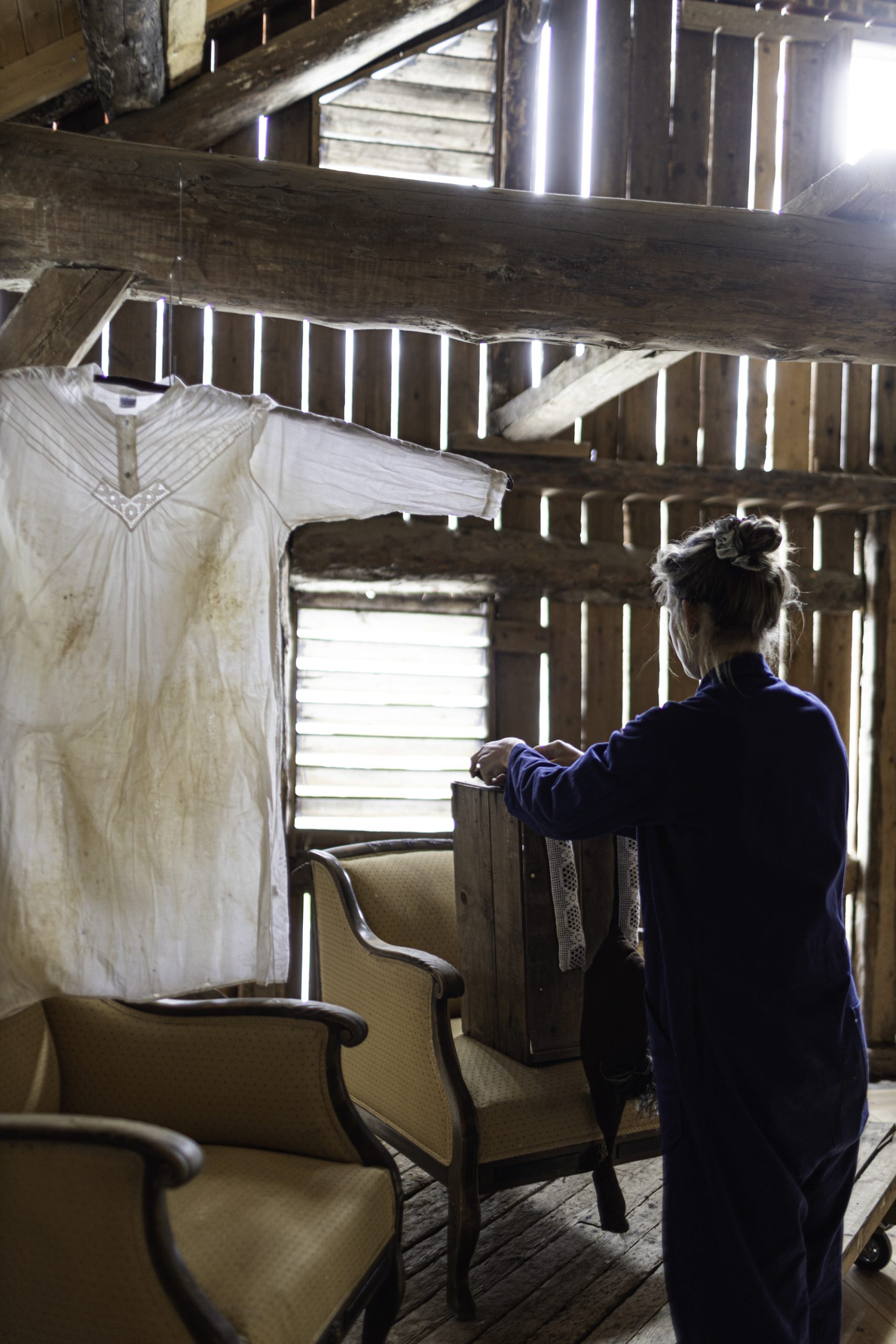
In the attic of Luster Mikromakeri, the sounds of stones moving through water alternate with the cast of a fishing rod. The stone whispers: Catch me if you can. Soft sculptures echo traces of human interference at the site, as aprons rest upon wooden crates like harnesses waiting to be worn. Tails peek from the tweed like emerging weeds. Above them, white cotton nightgowns float in the air; the imprint of a vegetal body reveals a lingering living presence.
VII. Cornerstone Affairs
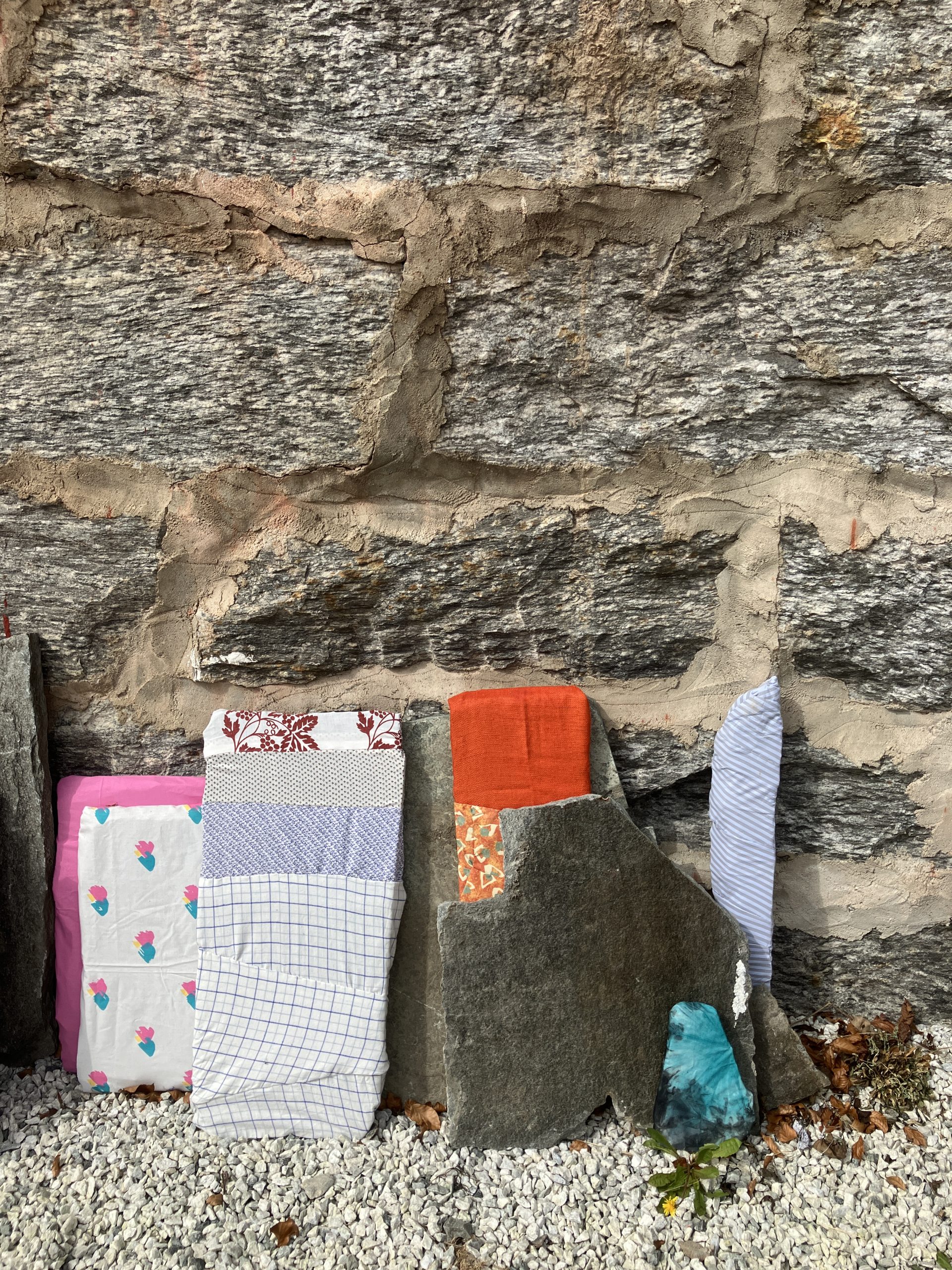
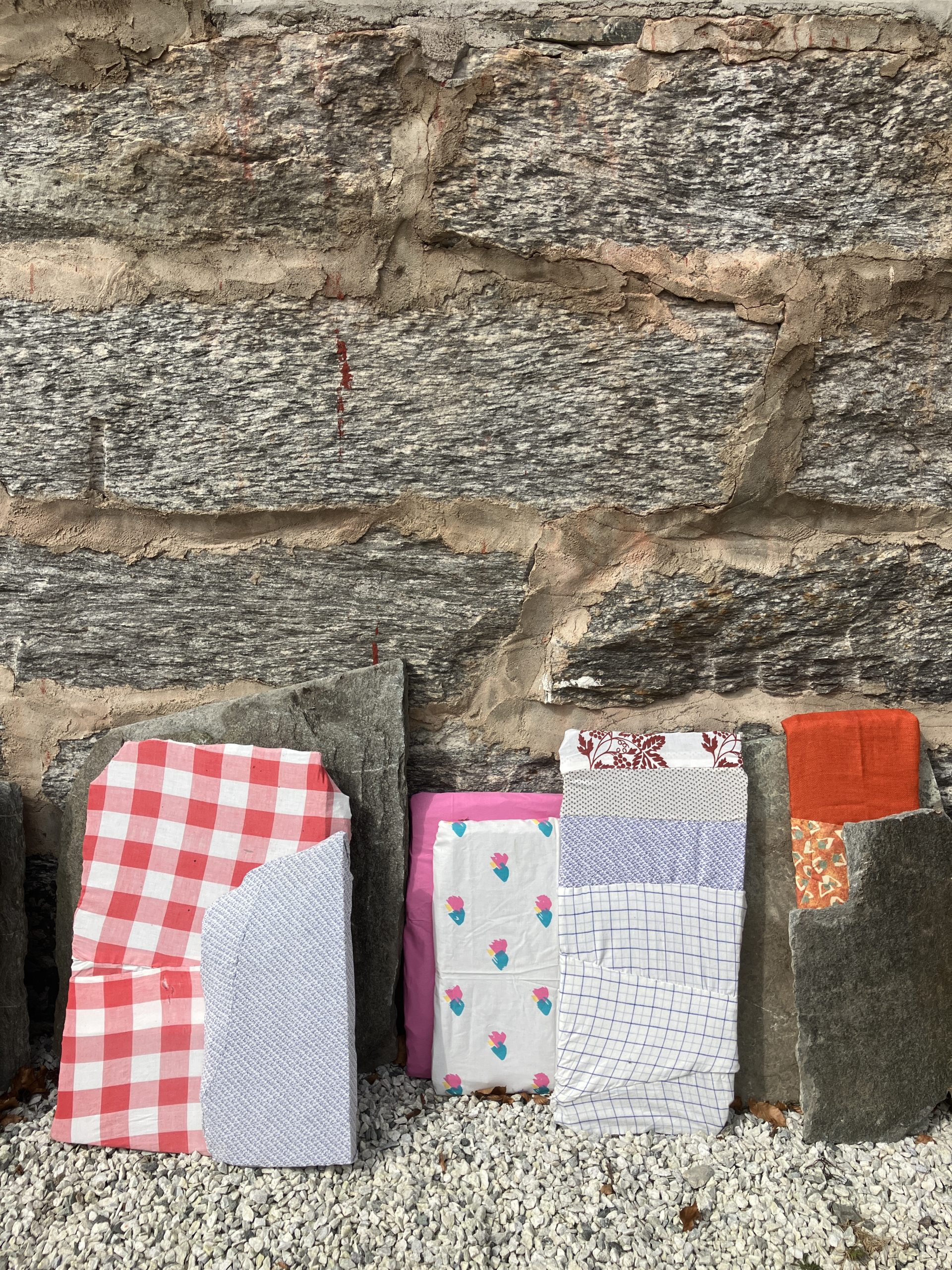
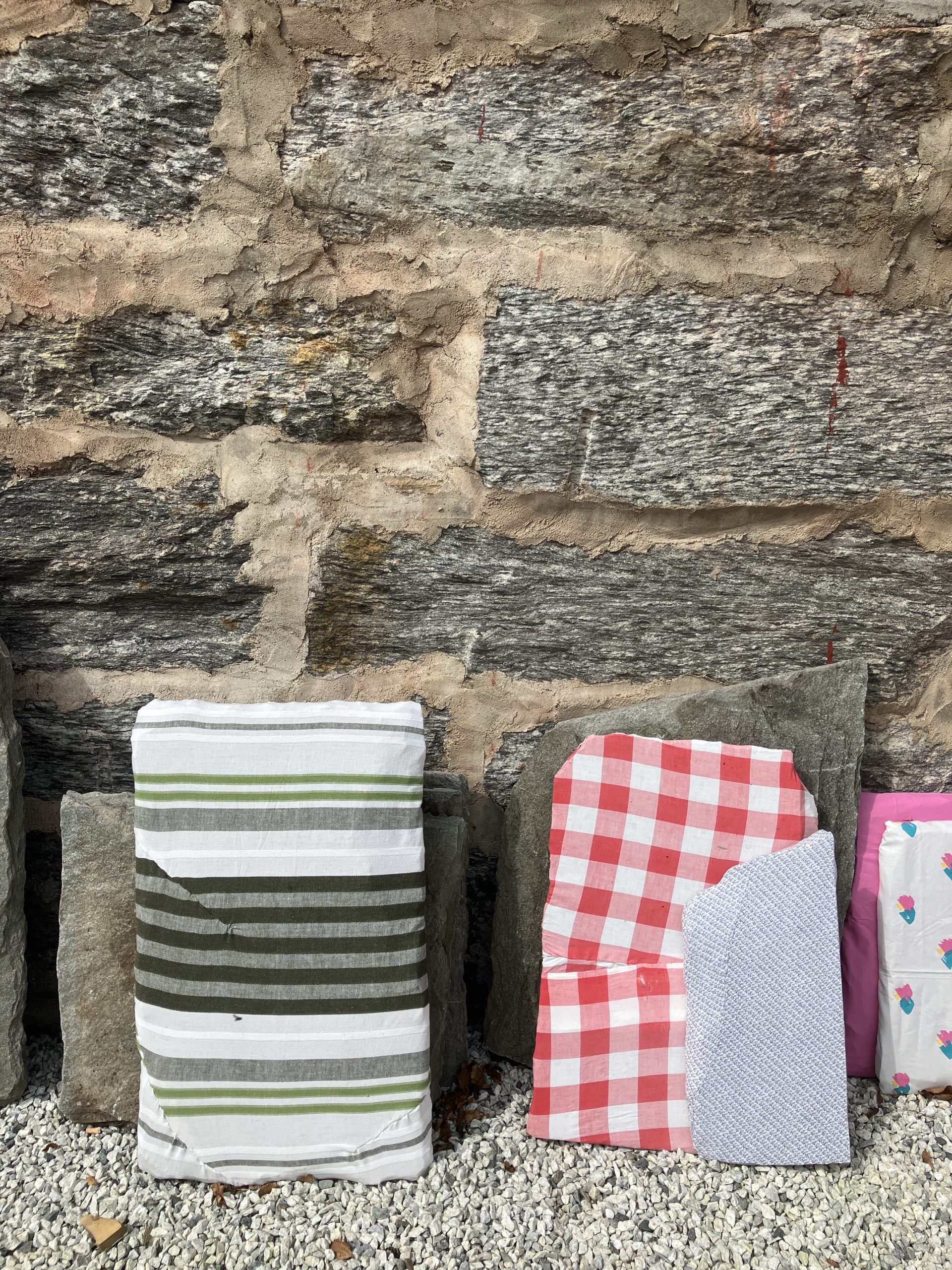
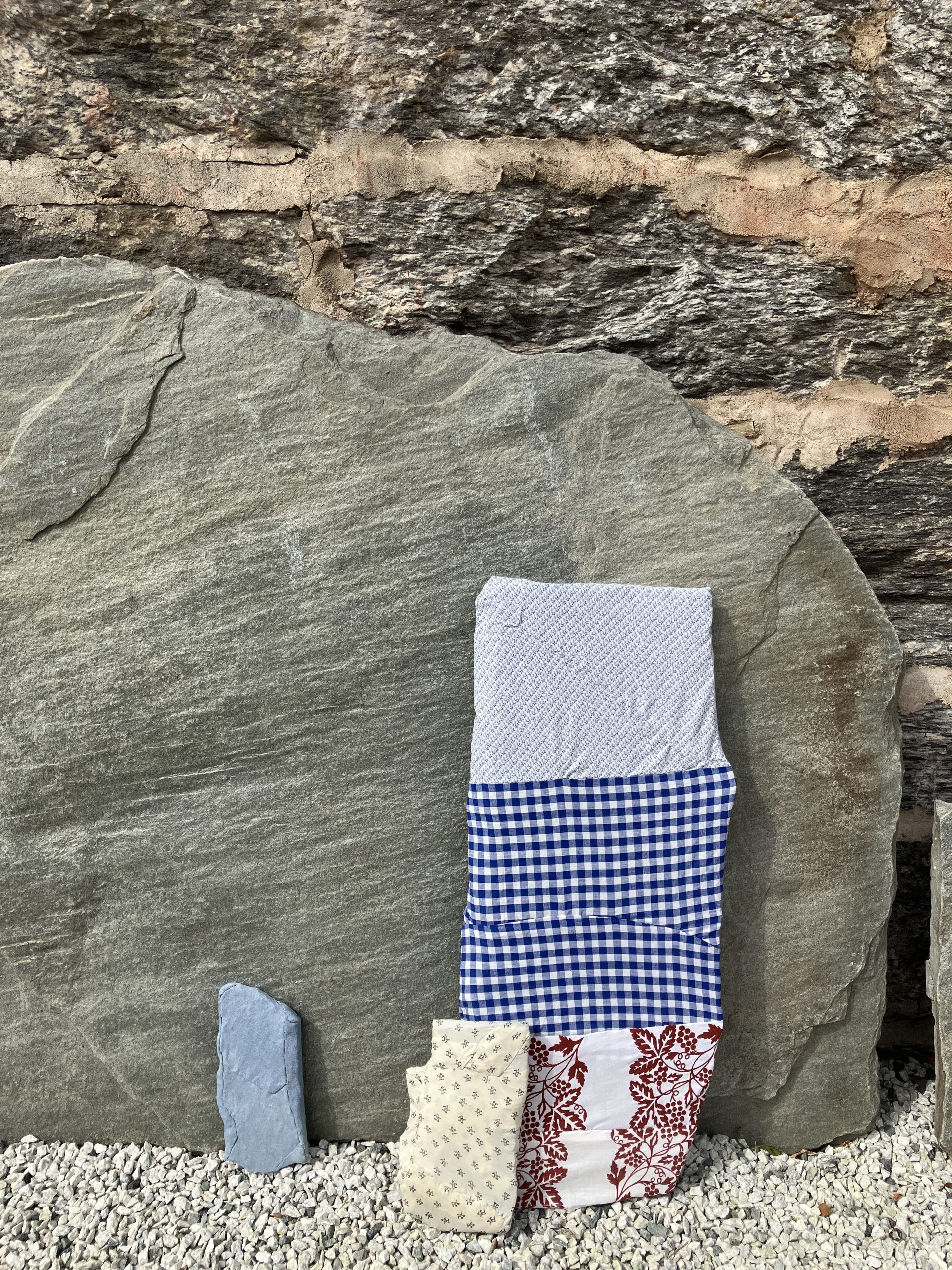
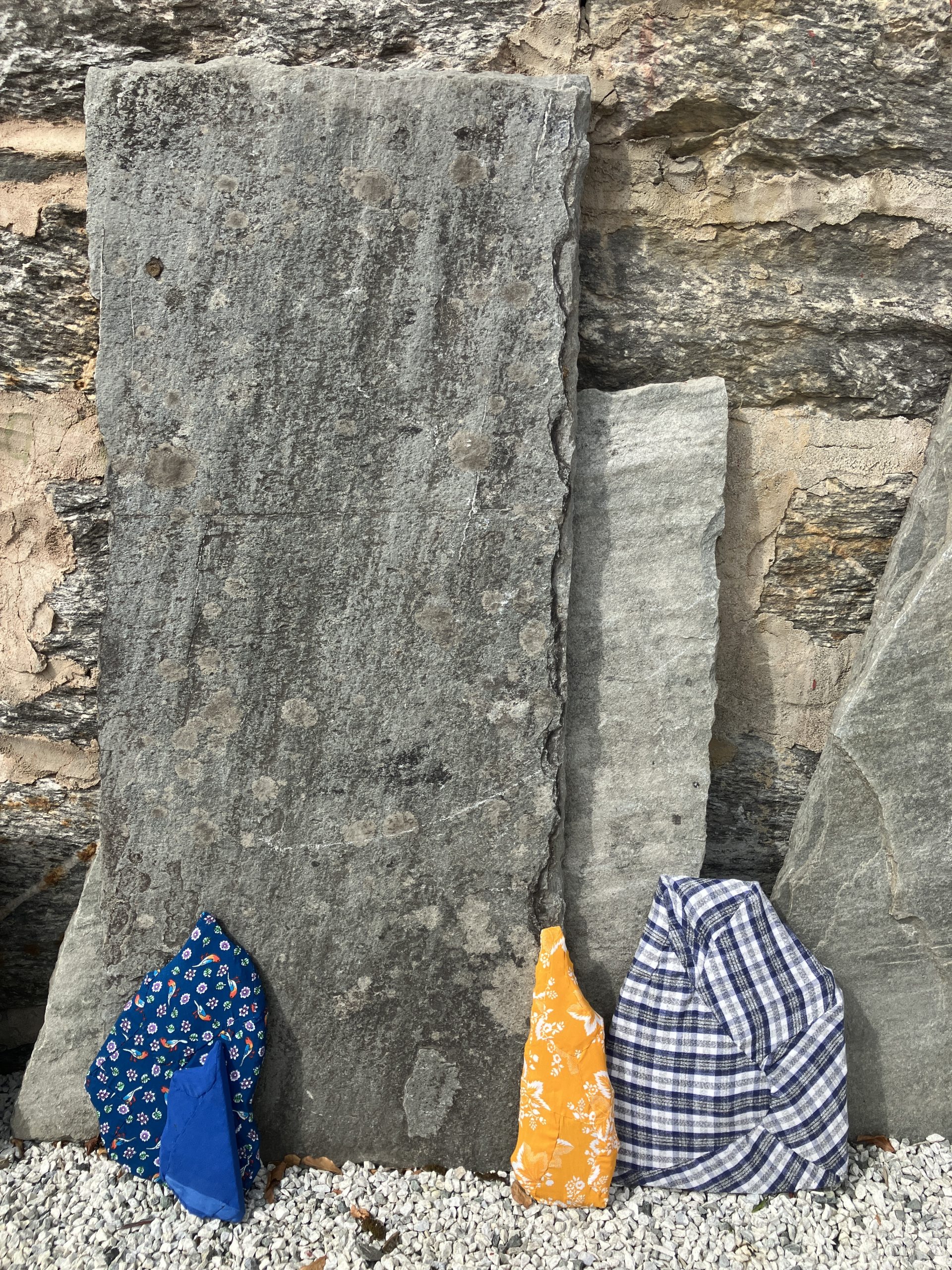
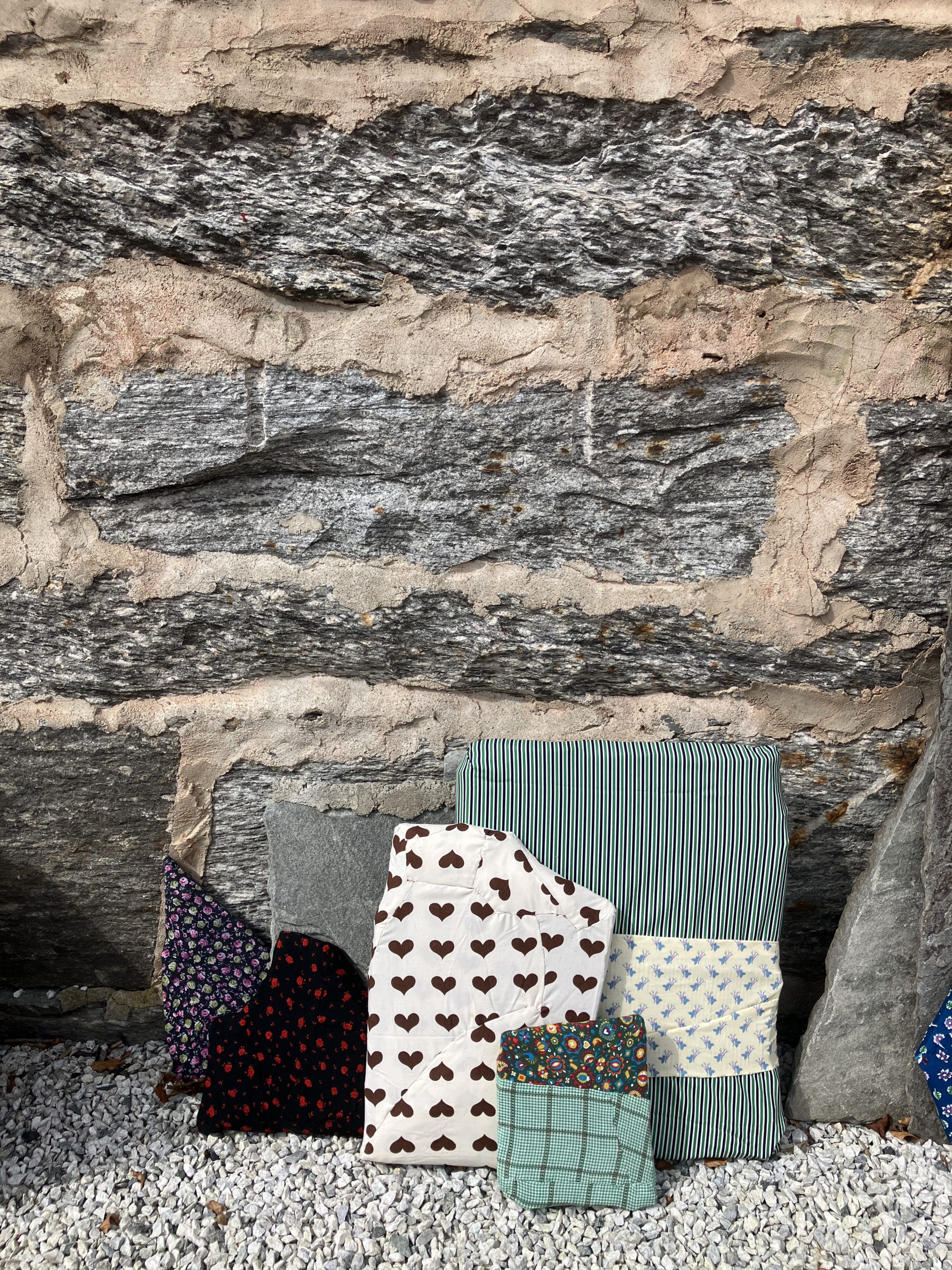
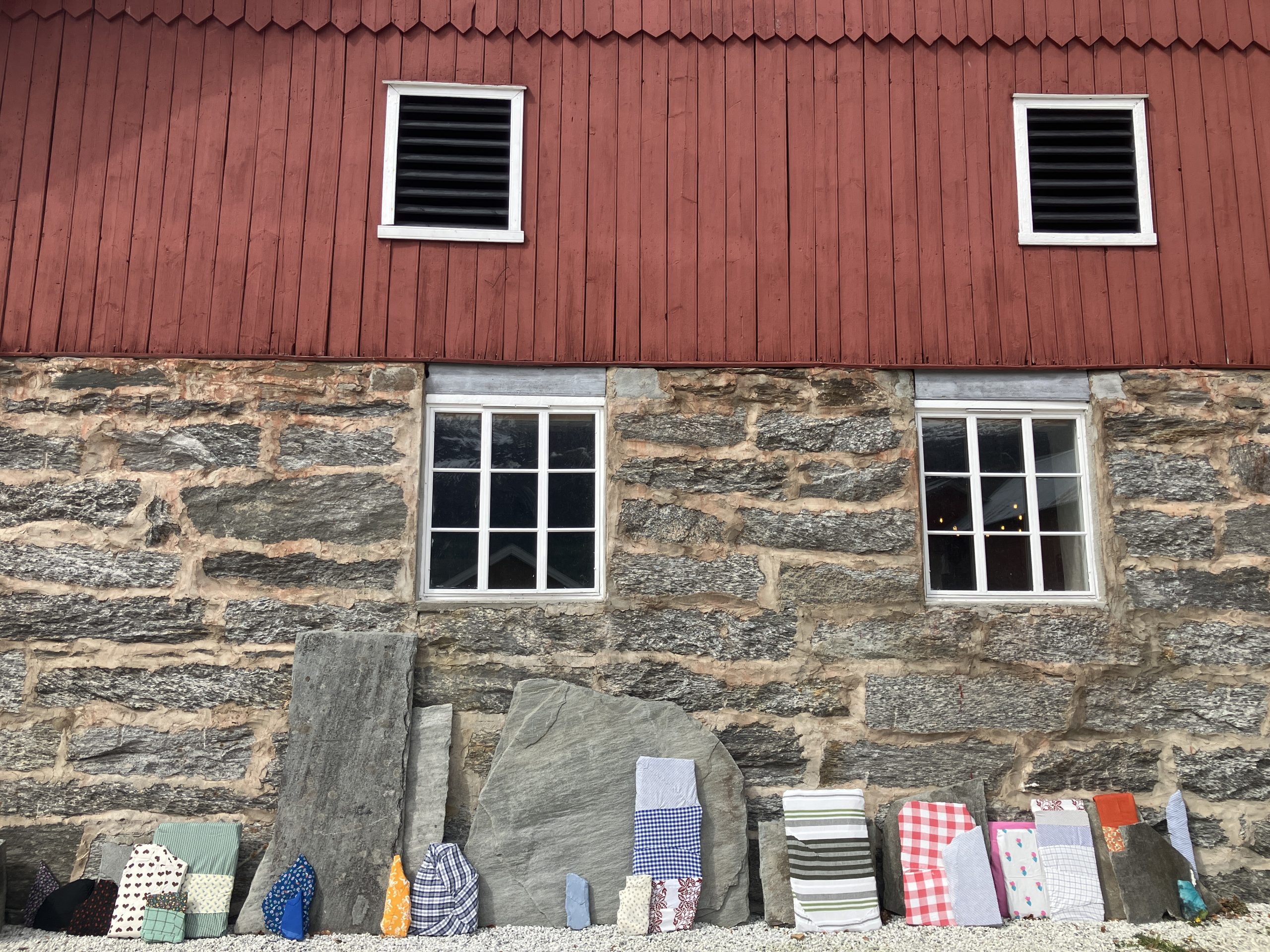
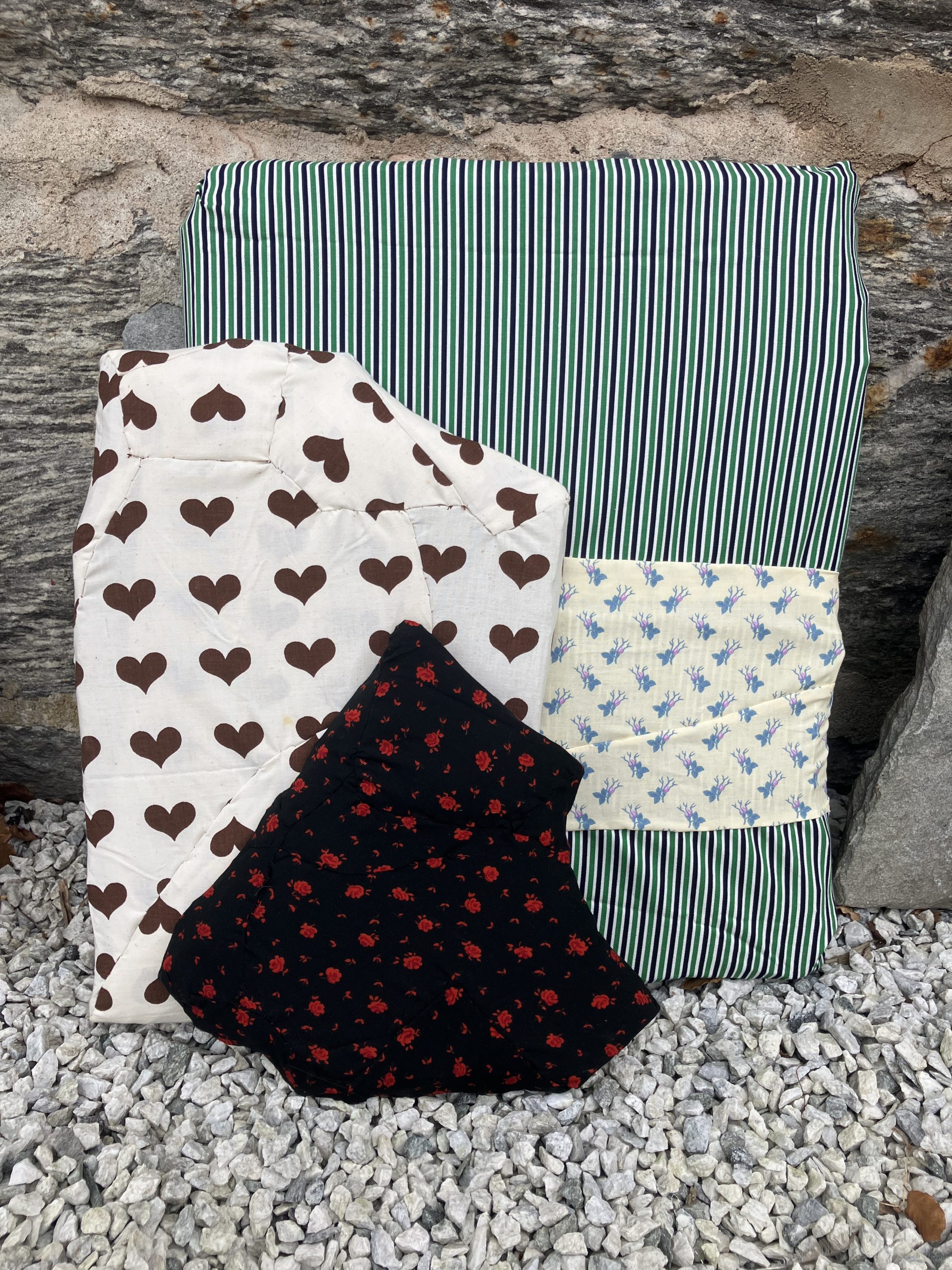
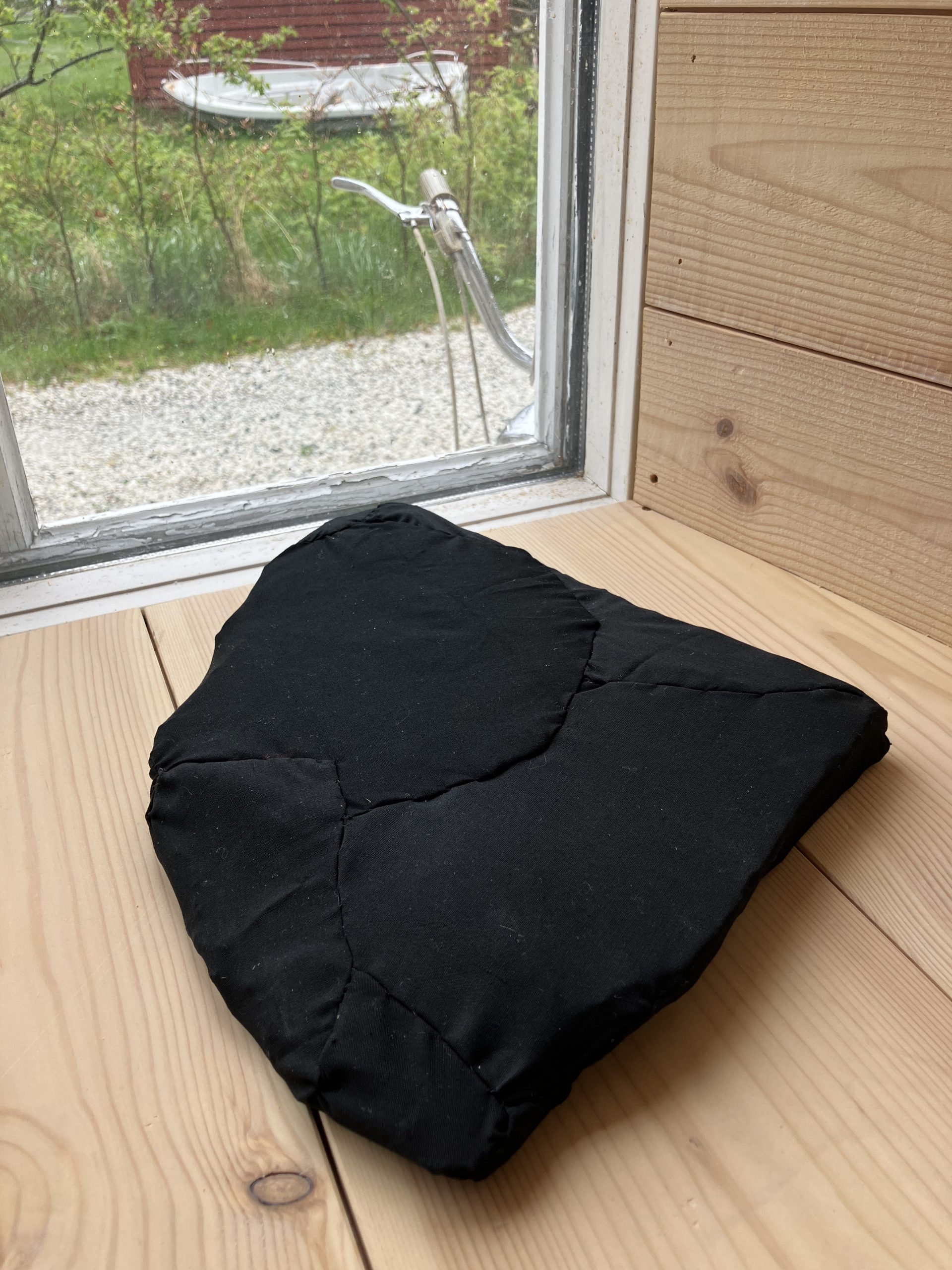
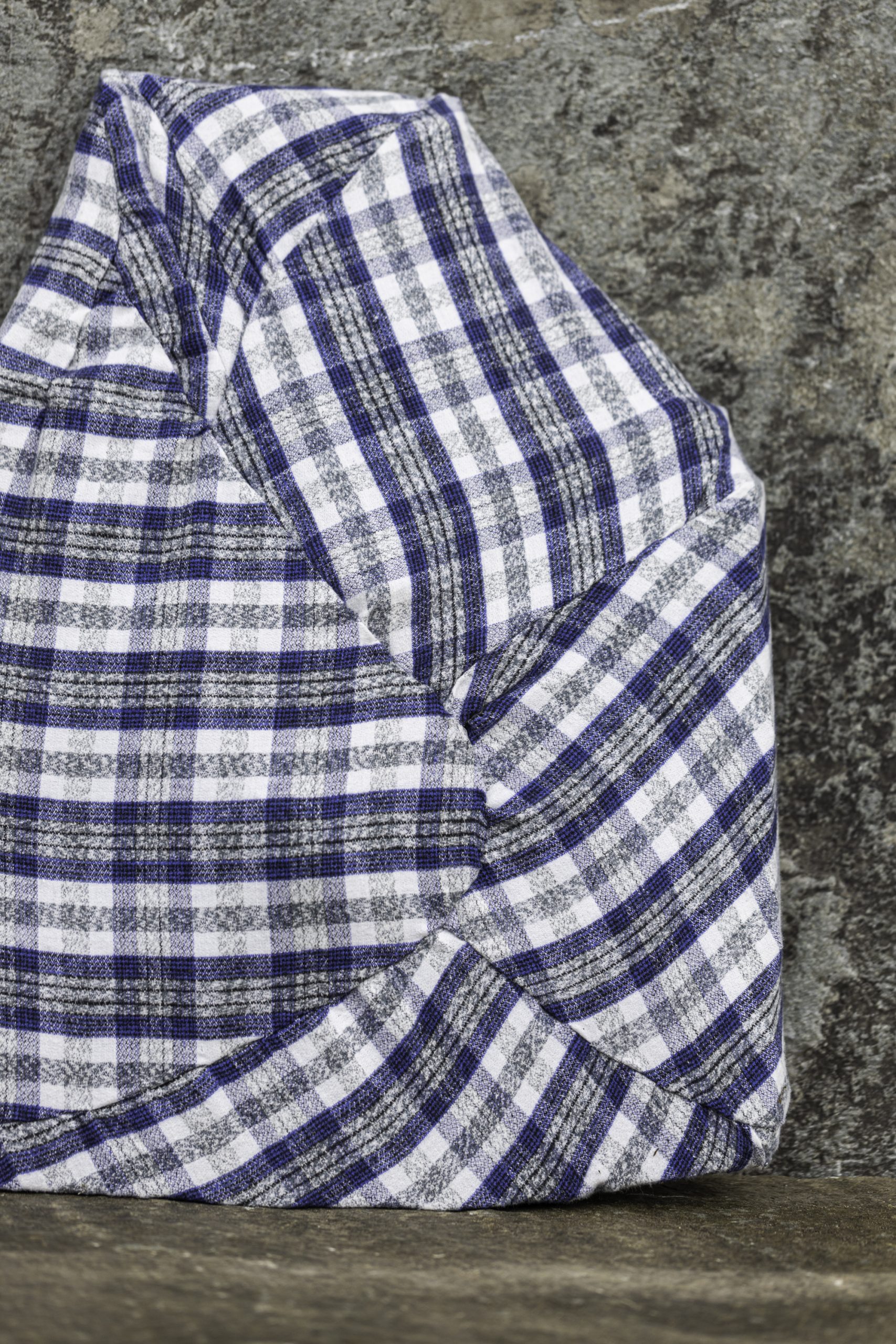
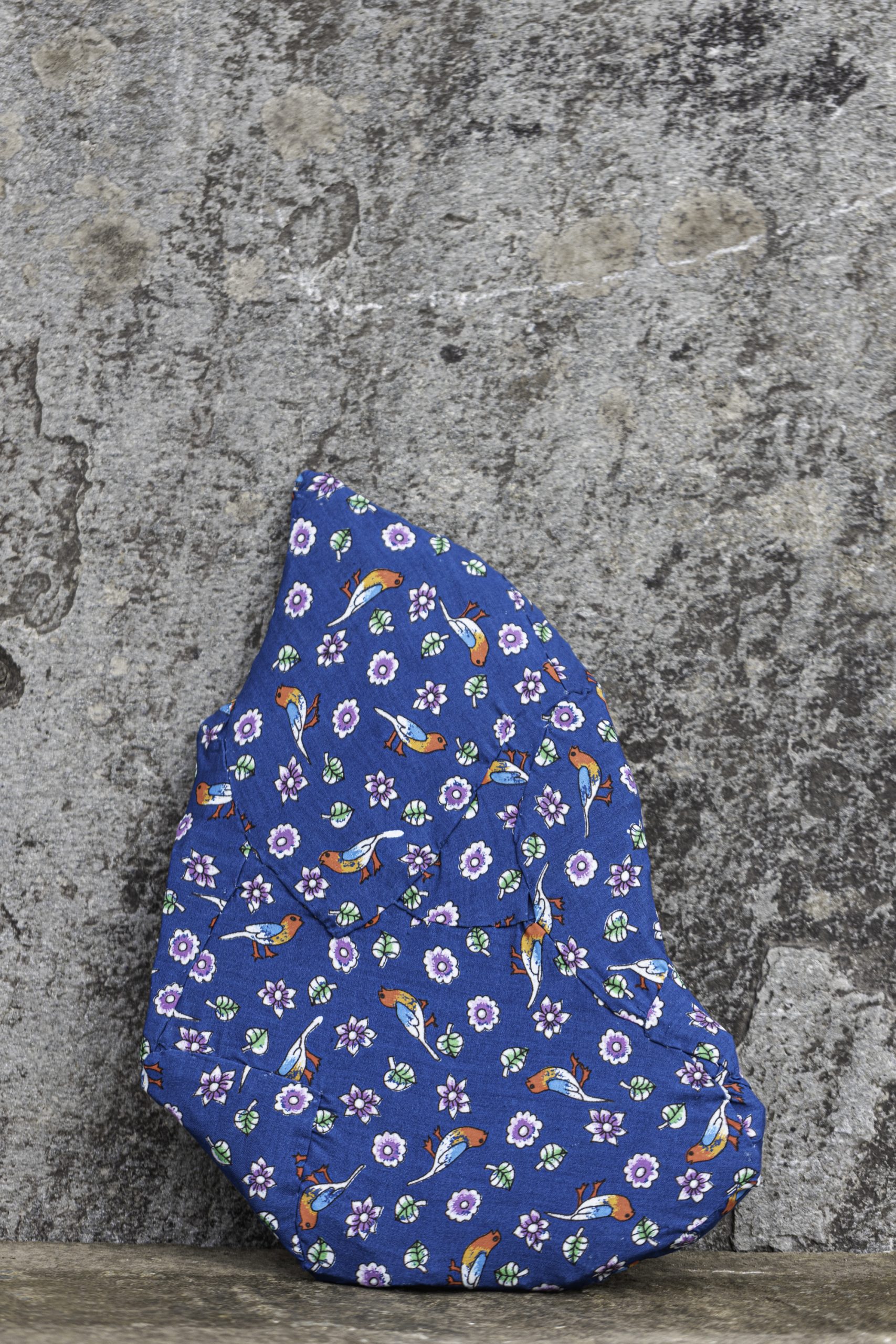
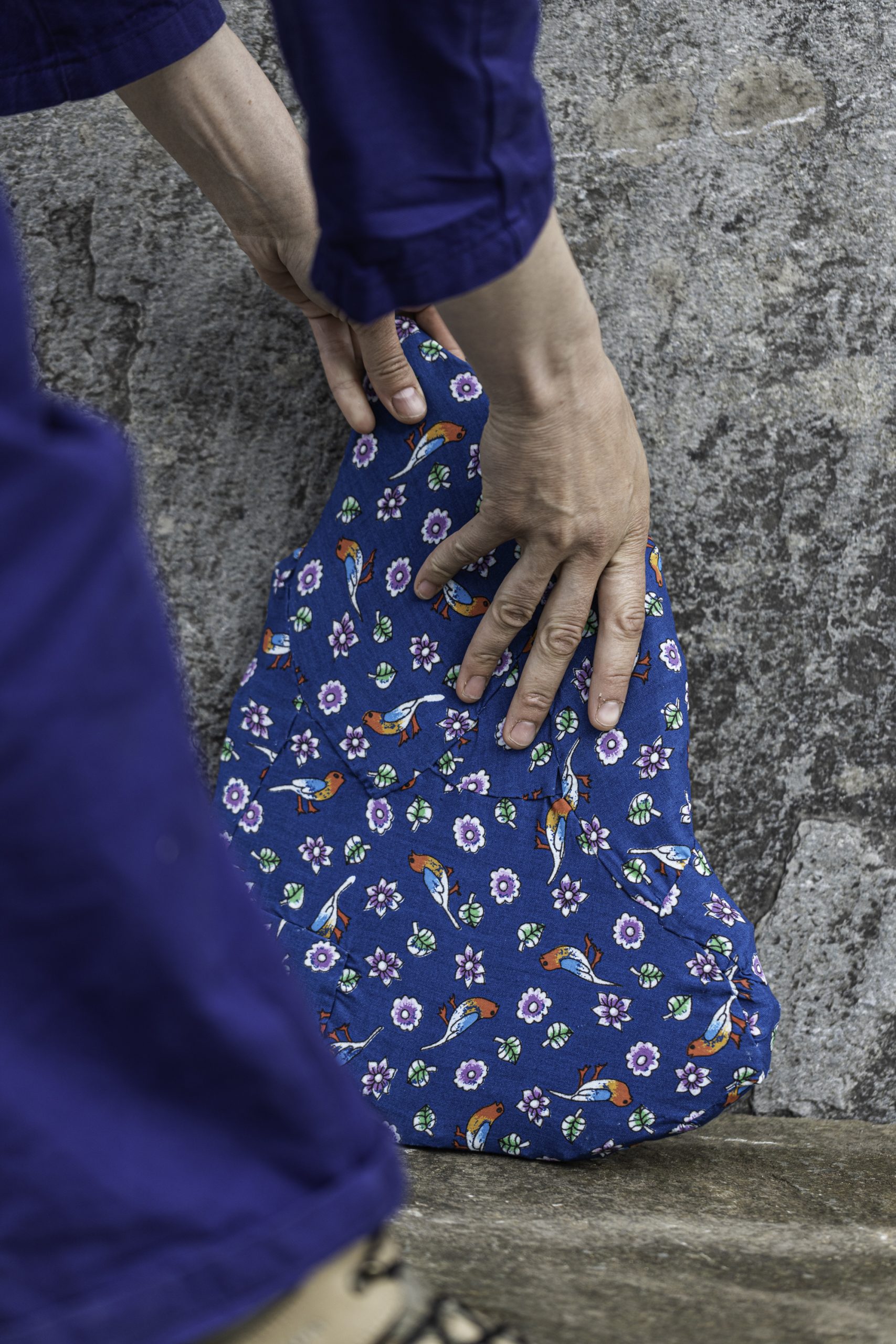
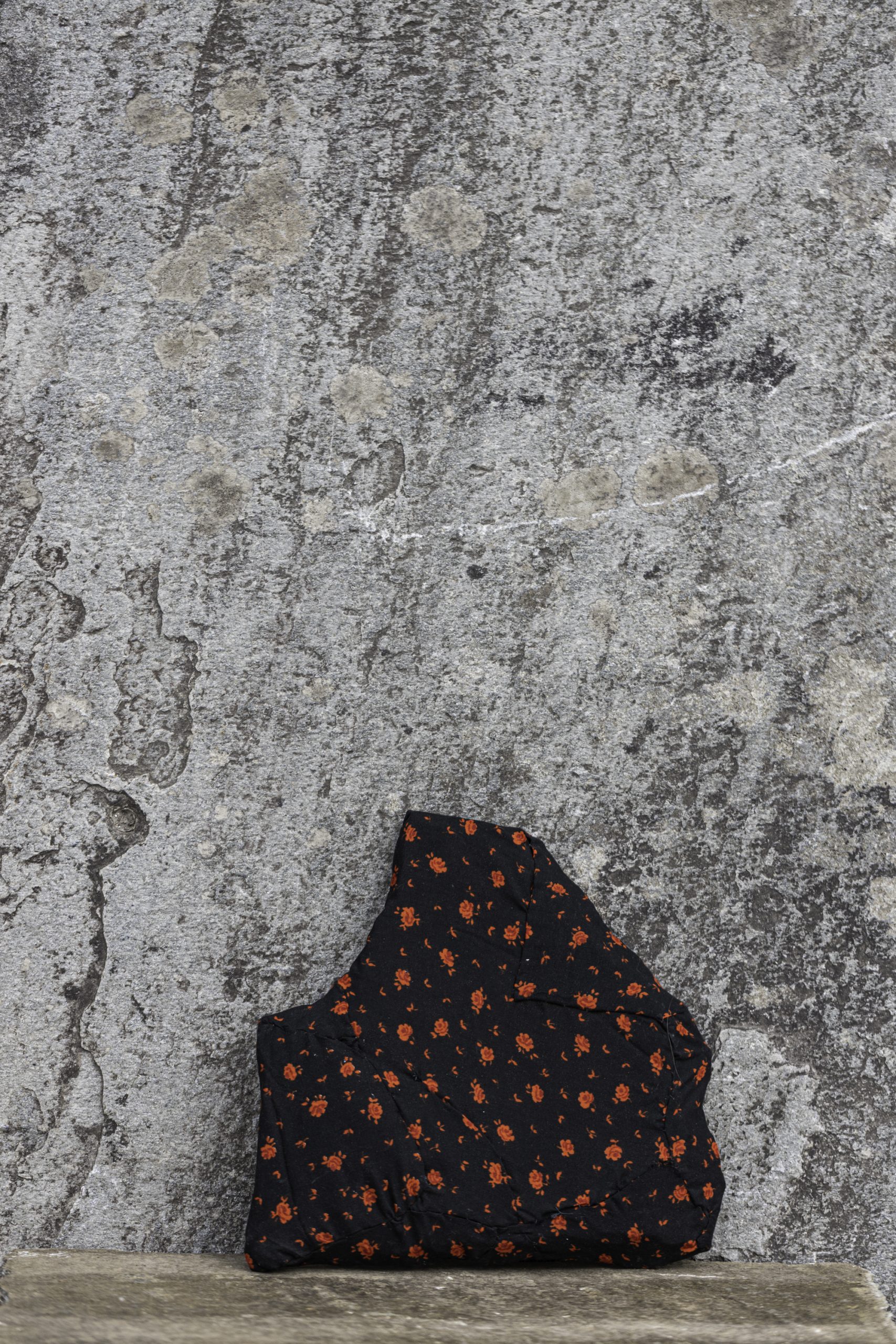
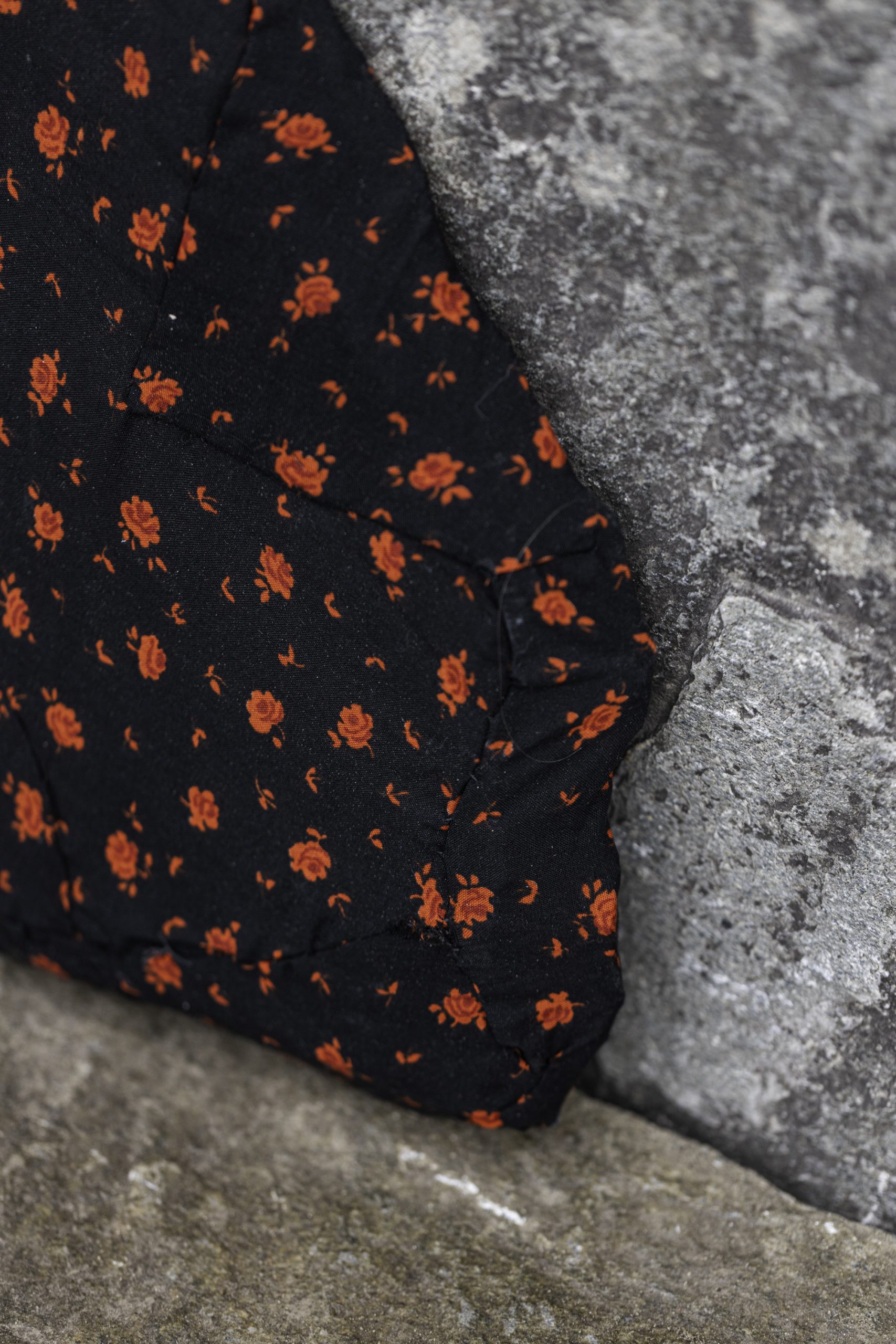
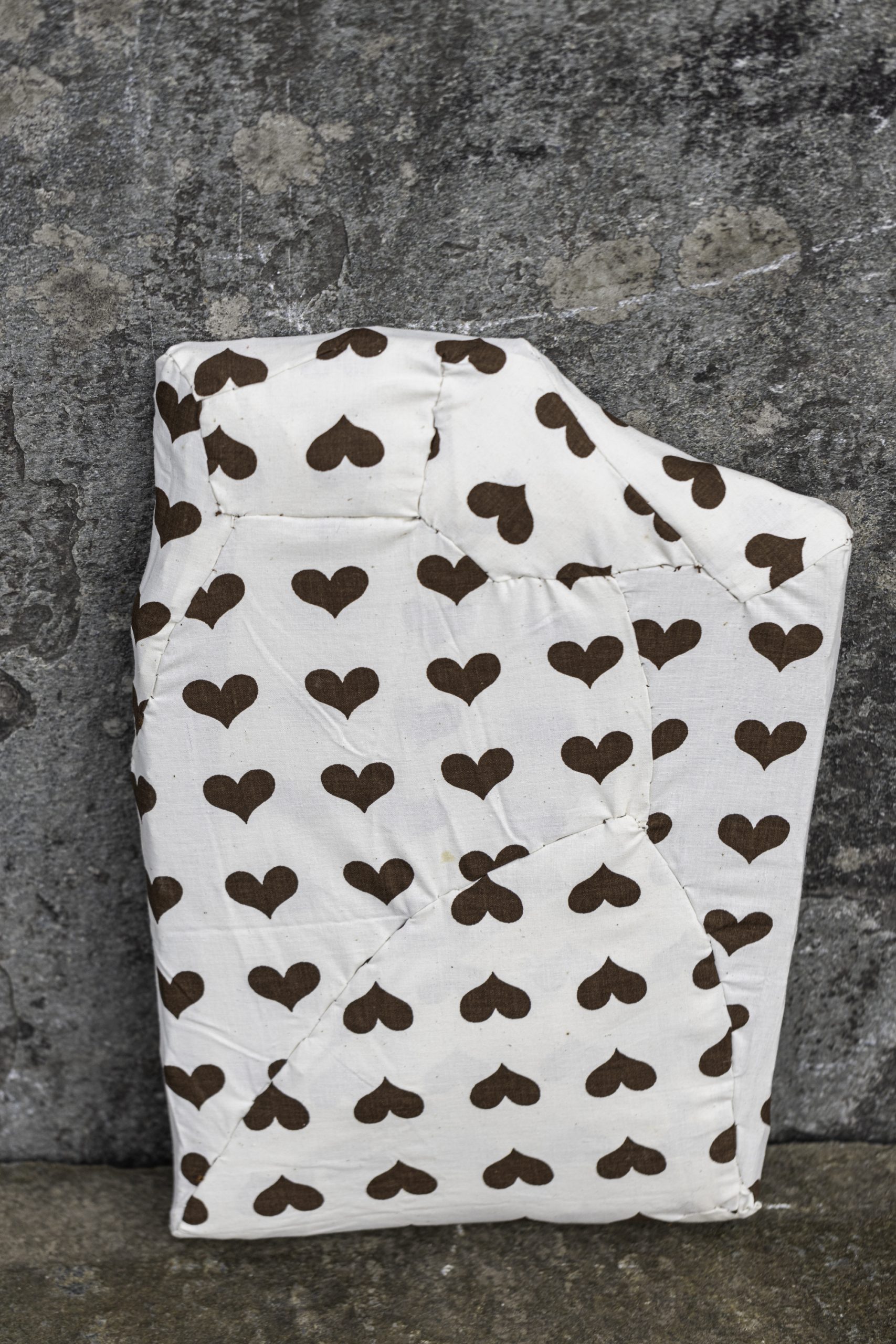
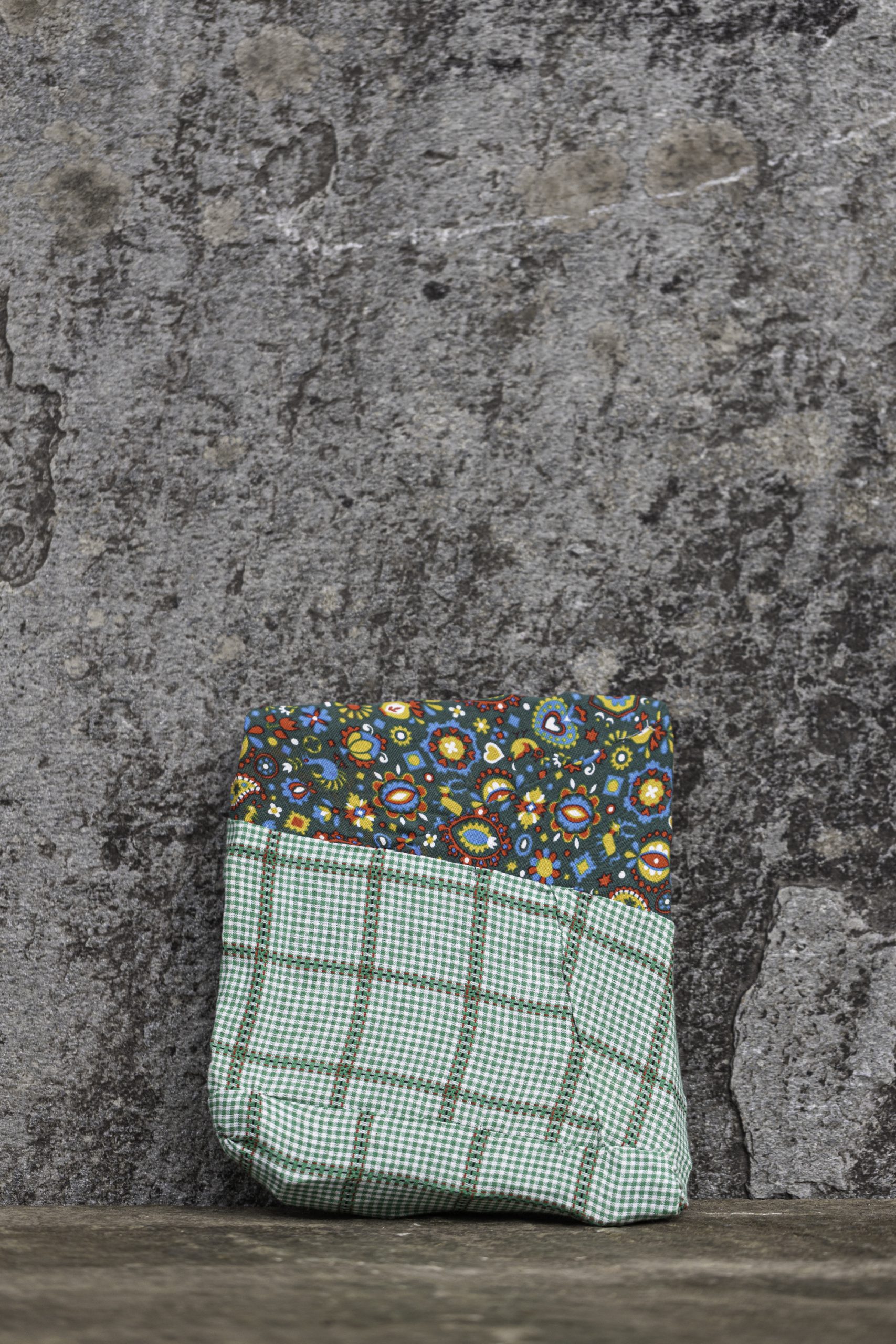
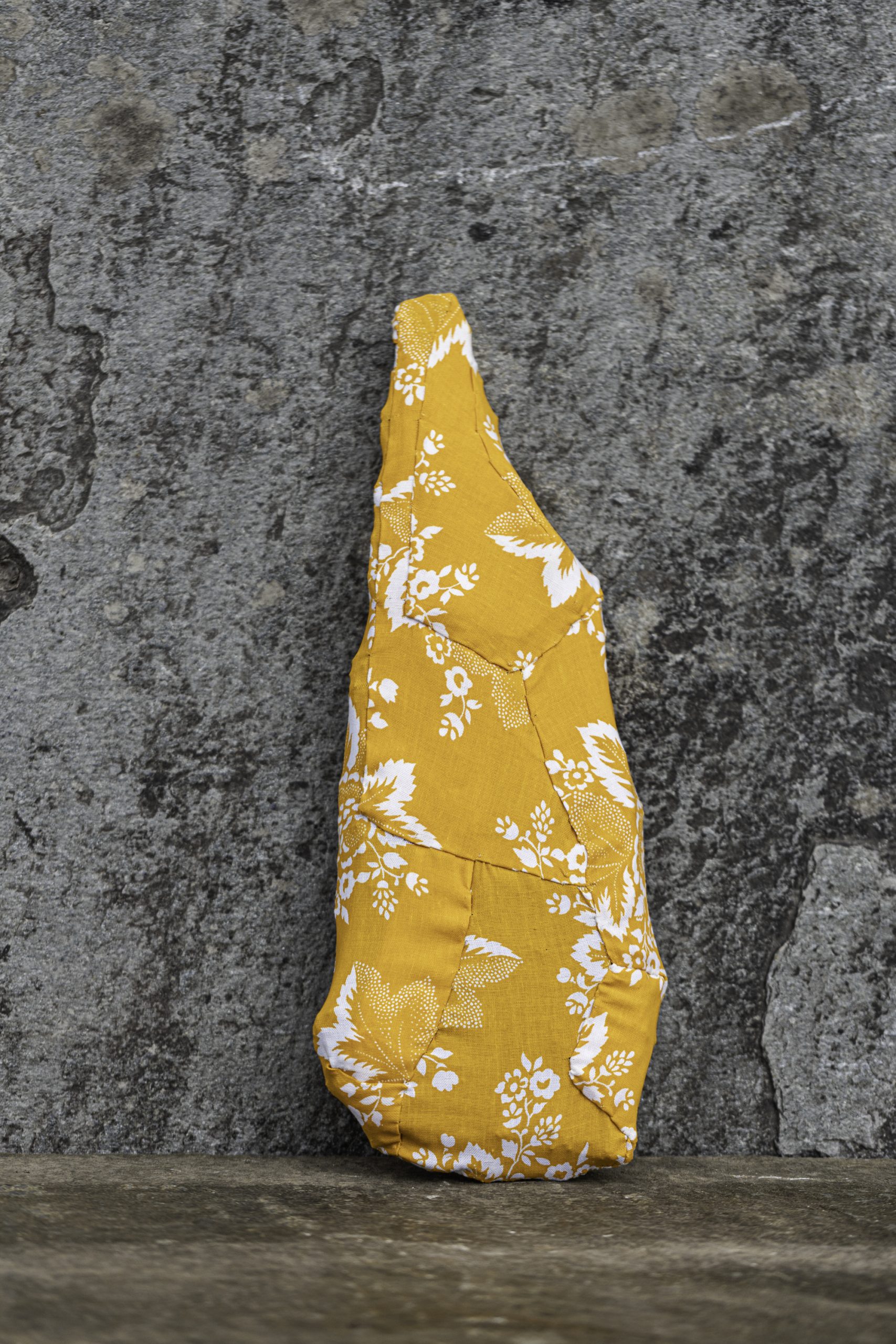
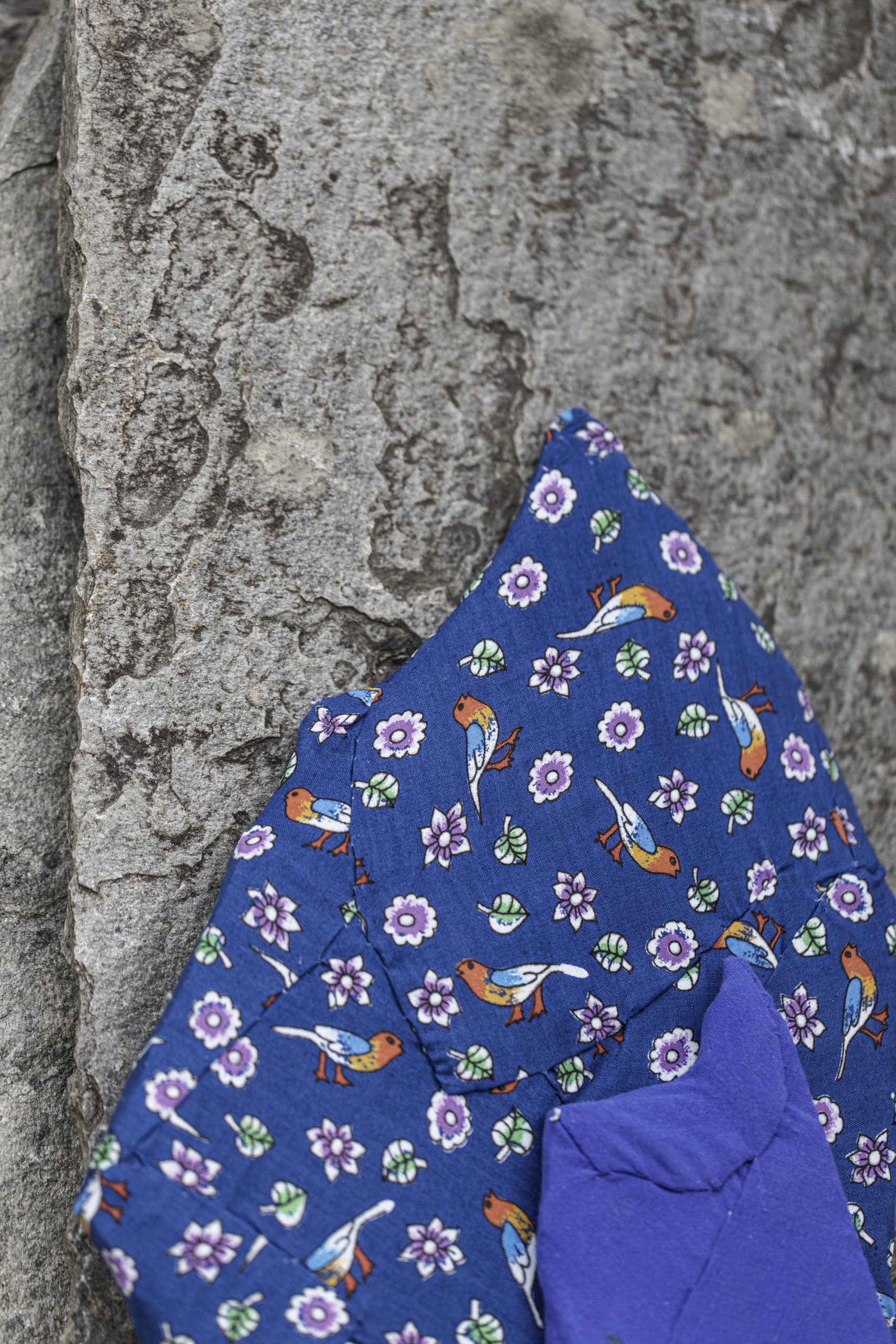
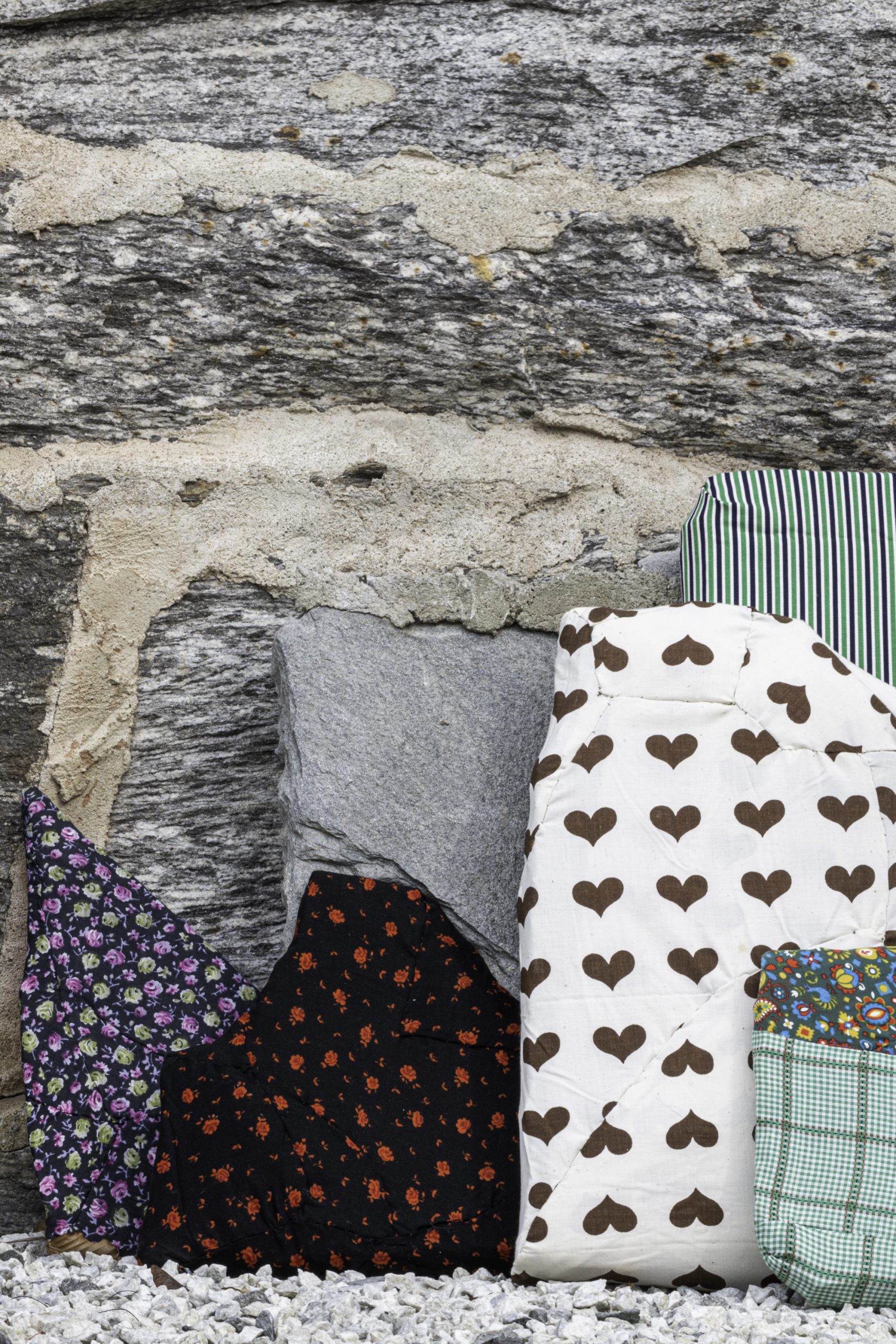
installation of embroidered slate stones with domestic textiles (2026)
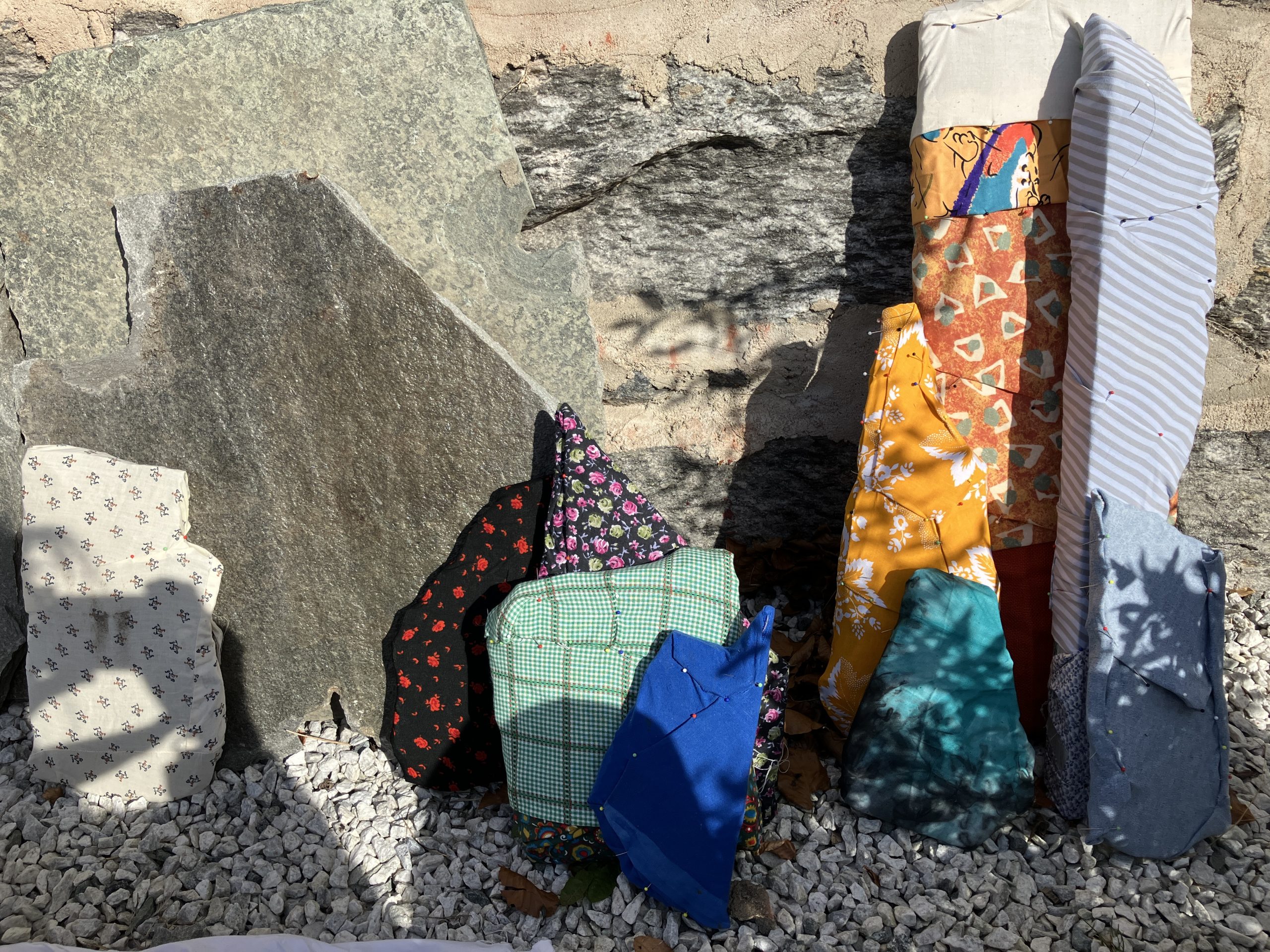
Set against Northern Europe’s reputation as one of the world’s most emancipated regions, this colourful installation examines the hidden inequalities that persist behind closed doors. While gender equality is publicly celebrated, domestic labour, emotional responsibility, and gender-based violence remain deeply embedded within private life. Research into Norwegian households by sociologist Kristin L. Bjelland describes how shifts in traditional power dynamics, such as women becoming more educated or financially independent, can trigger a “backlash effect” within emancipation, in which intimate partner violence is used to reassert male dominance.[4]
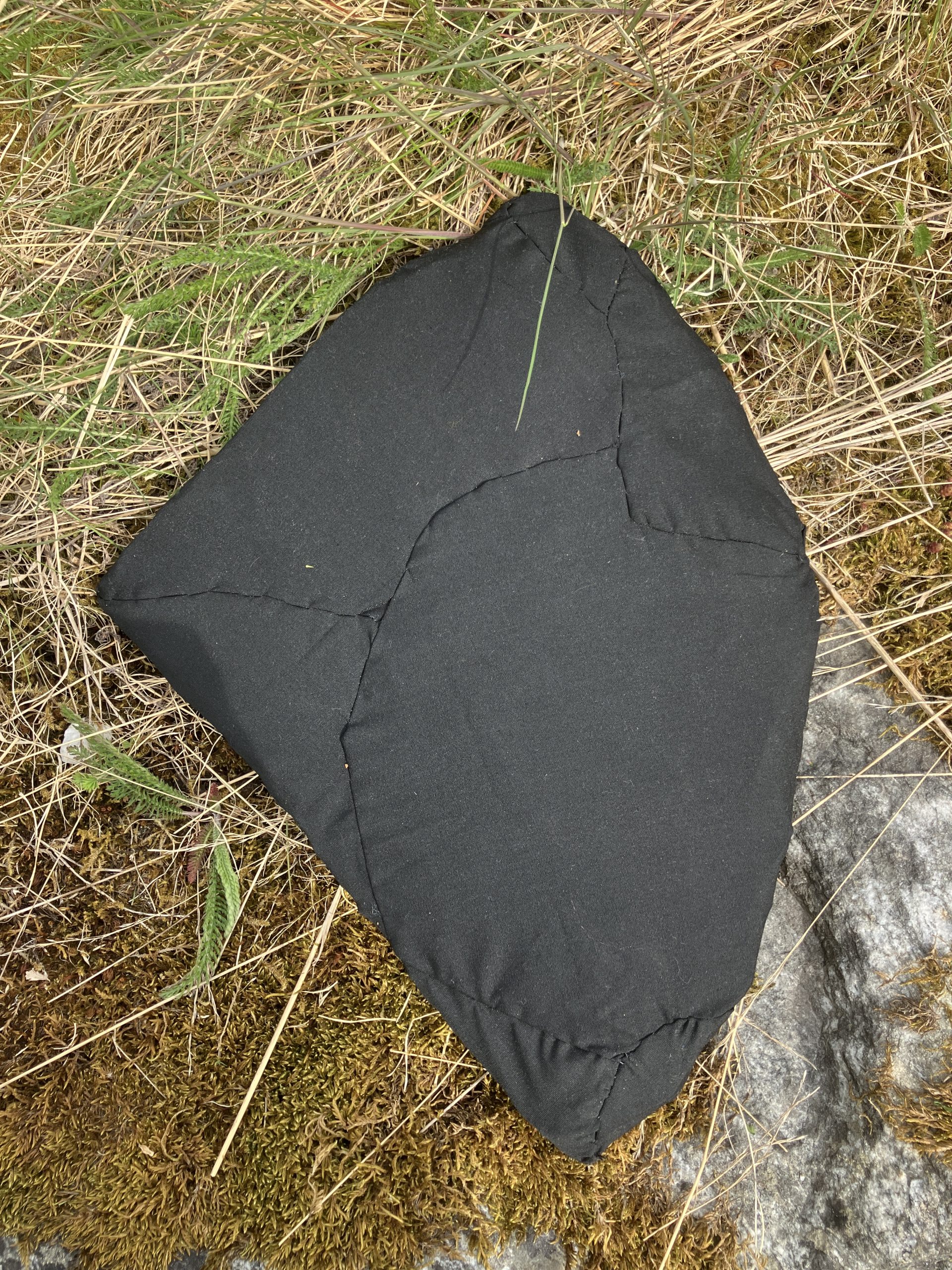
Inspired by the heavy slate stone roofs of rural Norwegian houses, this installation uses stone as a metaphor for the invisible weight potentially carried across generations of women: mothers, farmers, caretakers, and makers. Formed through pressure and heat over millions of years, slate becomes a material reflection of endurance, labour, and silence. During her journey from Oslo to Luster, passing isolated homes through the mountains, the artist reflects – through hand-embroidering the stones – on what lies beneath these roofs and within the private spaces they protect.
The stones are embroidered with domestic textiles that the Norwegian woman Oddbjørg Skjerdal carefully saved and restored after a lifetime of adjusting, repairing and patching clothing for her beloved family. Her story parallels the artist’s own family history, connecting personal memory with broader questions of gender, inheritance, and the unseen structures that continue to shape supposedly equal societies, as well as the precarious state of feminism today.
Photography by Troels Rosenkrantz Fuglsang
Bibliography:
[1] Reimund Kvideland en Henning K. Sehmsdorf, redacteurs, Scandinavian Folk Belief and Legend (Minneapolis: University of Minnesota Press, 1988), 211–212.
[2] Donna J. Haraway, Staying with the Trouble: Making Kin in the Chthulucene (Durham: Duke University Press, 2016), 130.
[3] Geboorte van Henri d’Artois, 1820, Rijksmuseum online collectie, geraadpleegd op 22 mei 2026, https://www.rijksmuseum.nl/nl/collectie/object/Geboorte-van-Henri-dArtois-1820–58dd2c0c21b39a91df37033d04f6a2d7.
[4] Kristin L. Bjelland, “En voldsom maktbalanse? En studie av relativ makt og forekomst av partnervold” (master’s thesis, Universitetet i Oslo, 2014), 65–80.
Thank you, Estelle, Troels, Mari, Stein, Kjetil, Natalie, Silje, Helle, and Tuba for making this magical time possible!